The energy system’s toughest day since November 2022: what it means for Kyiv and the country
On January 22, Ukraine's power system endured its most difficult day since the 2022 blackout. We explain where the greatest risks lie, what the services are doing, and how this affects daily life and safety.

By Tetiana Suchkova-Ladik
January 22, 2026 · 2 min read
In brief: why this matters
January 22 was the hardest day for Ukraine's power system since the large-scale blackout of November 2022. The reason is sustained Russian strikes and significant damage to infrastructure, forcing NEC "Ukrenergo" to impose special emergency outage schedules. For readers, this means an increased risk of interruptions to electricity and heating supplies in the hardest-hit regions.
Where the situation is most severe
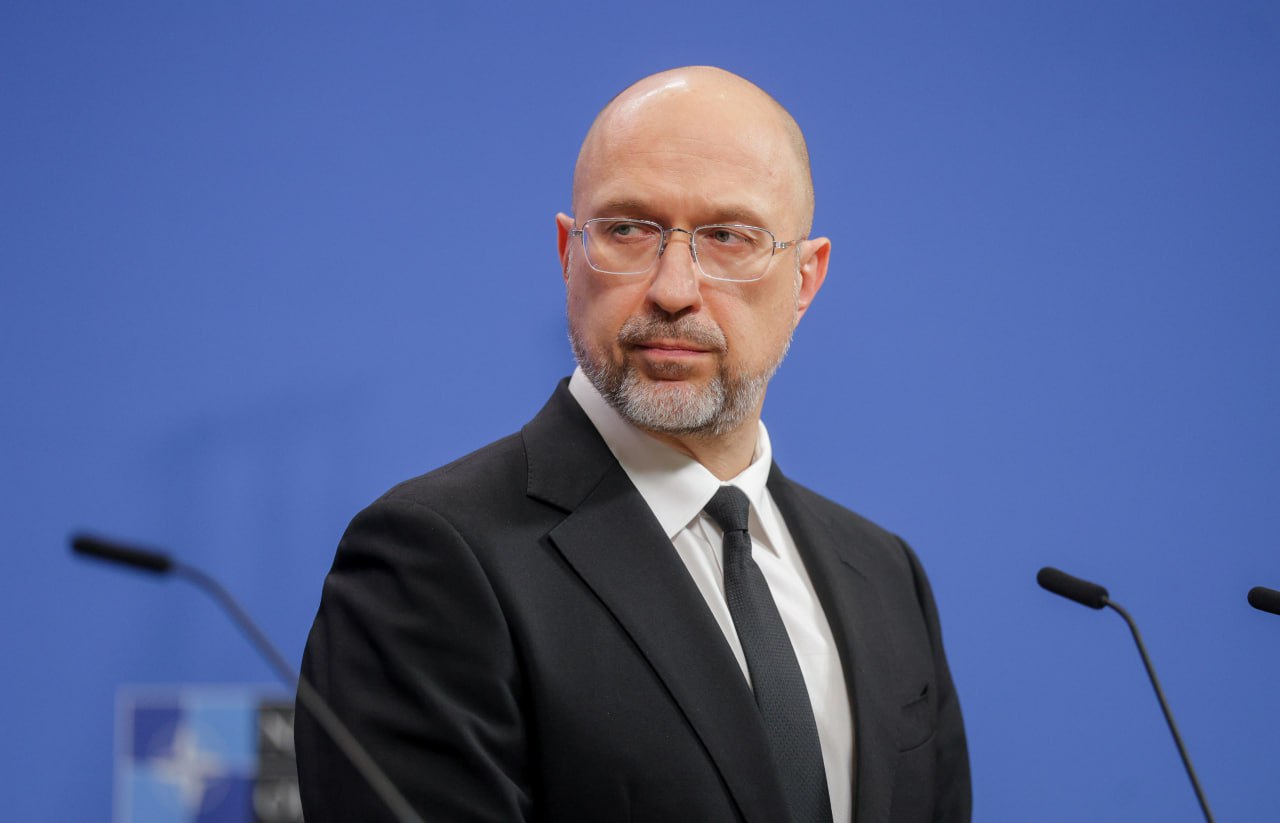
According to First Vice Prime Minister — Minister of Energy Denys Shmyhal, the worst-affected areas are Kyiv, Kyiv region and the Dnipropetrovsk region. In the capital, 165 repair crews were working during the day to restore heat, with another 83 crews joining the night shift. Work is greatly complicated by security conditions: on the evening of January 22 the 2,000th air raid alert sounded since the start of martial law.
What officials are saying
"These people are working around the clock in the cold, at the limits of their capabilities. They are true heroes. They are doing everything possible to restore power and heat as quickly as possible"
— Denys Shmyhal, First Vice Prime Minister — Minister of Energy
Shmyhal also emphasized that the enemy is not only destroying infrastructure but trying to unsettle society with fakes and manipulation; he urged trusting official information. The Ministry of Internal Affairs recommended keeping food, water and medicine supplies for 3–5 days in case of an emergency in the energy sector.
Why this happened and what’s next
Escalating infrastructure damage increases dependence on rapid repairs and reserve capacities. Consequences — short-term interruptions to heating and electricity in residential neighborhoods and additional strain on emergency services. Energy market analysts note that without infrastructure maintenance and international technical assistance, risks will grow.
Short summary and practical advice
The situation is difficult but predictable: services are working, repairs continue, and the government is issuing instructions. For citizens — a basic action plan: check supplies for 3–5 days, have alternative sources of lighting and communication, and follow announcements from Ukrenergo and the Ministry of Internal Affairs.
This is another reminder that energy resilience is not only a technical task but also a matter of security and communication. The next step depends on partners and sectoral investment: will declarations of aid be turned into concrete resources for faster repairs and protection of critical infrastructure?



