Netanya refused to host Yurchikhin's appearance: how the embassy and the community blocked a pro‑Russian platform
A cosmonaut who positions himself as a trusted associate of Putin and who visited temporarily occupied territories was scheduled to speak at the Netanya municipal planetarium — the event was canceled after an appeal by the Ukrainian embassy and pressure from the pro‑Ukrainian community. We examine why this matters for cultural security.

By Tetiana Suchkova-Ladik
February 12, 2026 · 2 min read
What happened
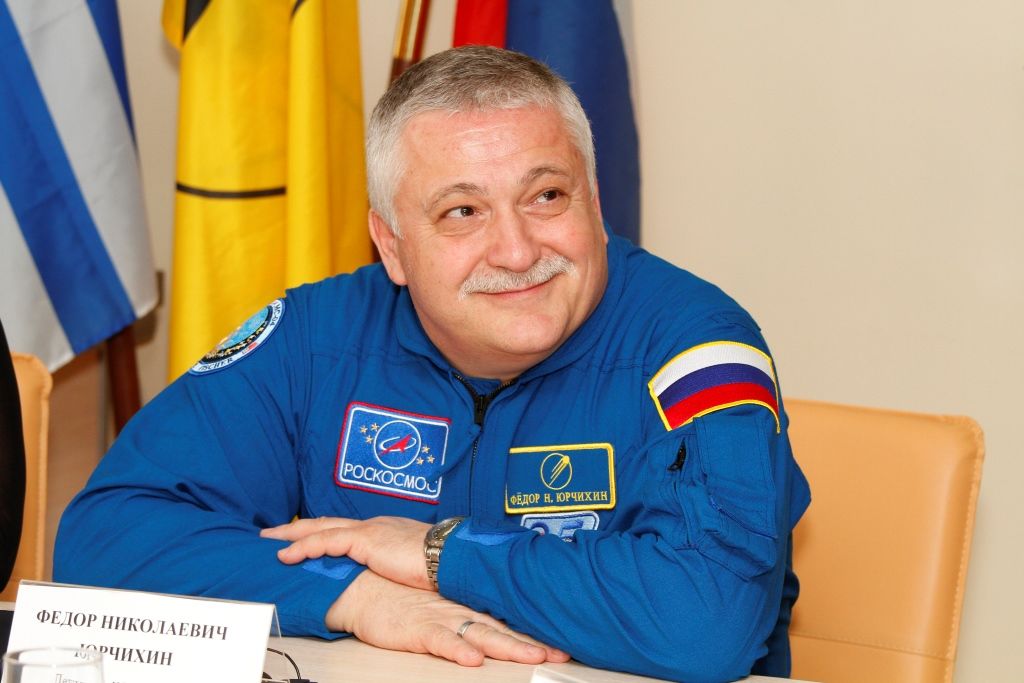
In Netanya (Israel) a planned appearance by Russian cosmonaut Fedor Yurchikhin at the municipal planetarium was canceled. The decision was reported by the Embassy of Ukraine in Israel; according to the diplomatic mission, at the end of negotiations with the mayor's office they managed to have the event called off.
"According to available information, Yurchikhin's appearance has been canceled. The Embassy is sincerely grateful to the pro‑Ukrainian community in Israel and particularly to Israeli Friends of Ukraine for their enormous work"
— Embassy of Ukraine in Israel
Why it matters
Yurchikhin is known not only as a cosmonaut: he served as a trusted representative of Vladimir Putin during the 2018 and 2024 campaigns and visited temporarily occupied Melitopol in Zaporizhia Oblast. For Ukraine, such public appearances are not neutral cultural events but pose a risk of broadcasting pro‑Russian messages and undermining sovereignty.
Ambassador Yevhen Korniychuk sent a letter to Netanya's newly elected mayor, Avi Slami, stressing that visits to occupied territories without coordination with the Ukrainian side constitute a violation of territorial integrity. This diplomatic intervention, backed by the efforts of the local community, worked as a protective mechanism.
Social proof and precedents
Initiatives by Israeli Friends of Ukraine and other activists caused a wide resonance locally and forced the municipality to reconsider the decision. This is not an isolated case: earlier cancellations of appearances or screenings of propaganda content were recorded in Italy (10 January 2026) and Belgium (30 January 2026). Such a chain reaction indicates a shared international sensitivity to Russian propaganda.
What’s next
This story is an example of how diplomacy, civic initiative and local politics can interact to prevent cultural venues from being used for political propaganda. The next step is monitoring: the embassy promised to ensure the event does not take place, and Ukrainian and international organizations will develop recommendations for municipalities on speaker selection criteria.
Will this become a precedent for other cities that hesitate between the idea of open dialogue and the risk of giving a platform to representatives of a regime that violates international law? The answer depends on the willingness of local authorities to act in the interest of security, not only in the name of cultural inertia.



