Netanyahu announced the awarding of Israel’s Peace Prize to Trump — a first for a foreigner
In high diplomacy, it's not loud statements but quiet agreements that matter. During a visit to the United States, Israel's prime minister announced that the government had decided to award the President of the United States the Israel Peace Prize — a move made possible after rules were changed in July 2025. We examine what this means for Washington–Tel Aviv relations and why it matters for Ukraine.

By Tetiana Suchkova-Ladik
December 30, 2025 · 2 min read
Facts
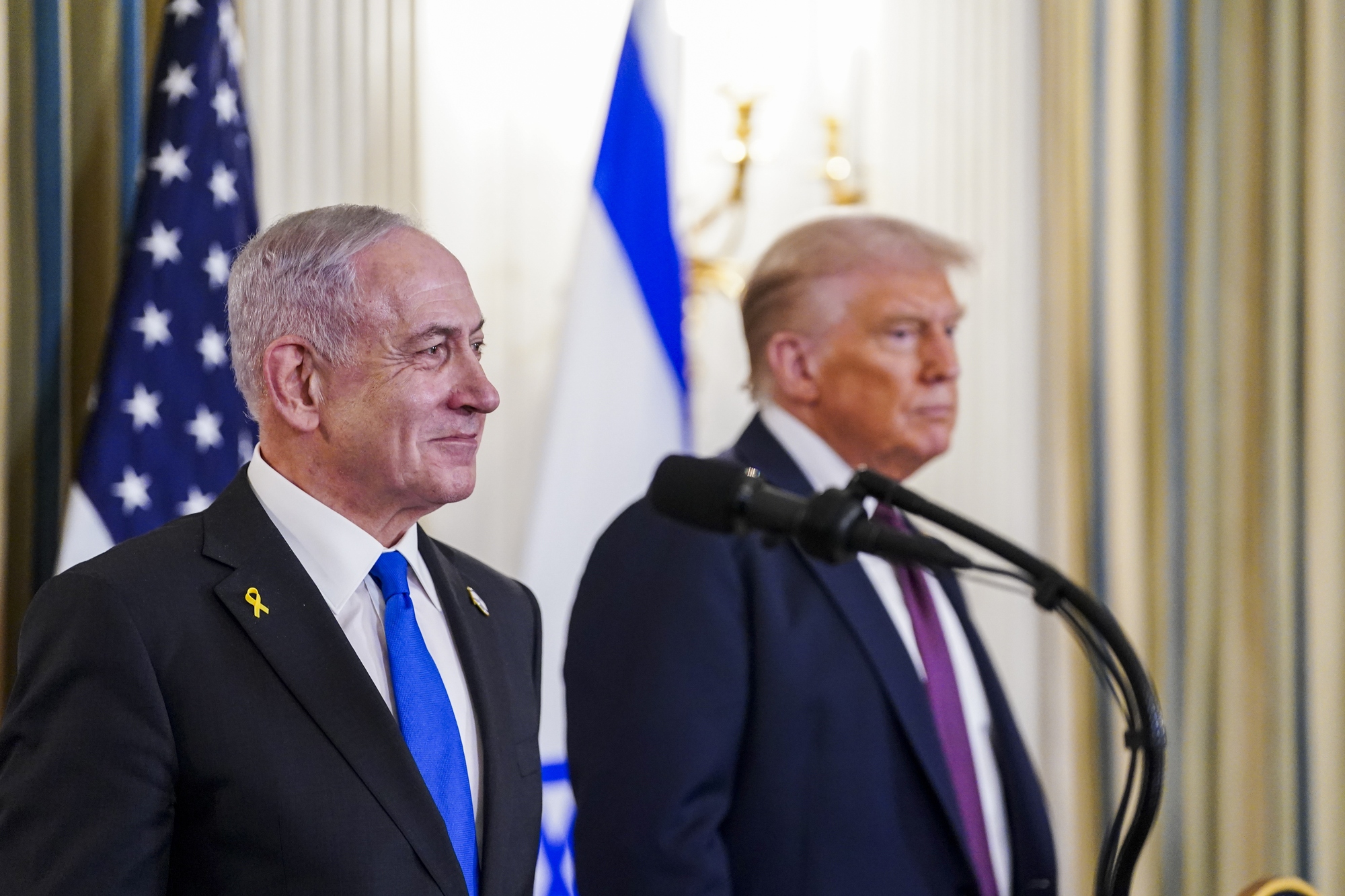
Israeli Prime Minister Benjamin Netanyahu said during a visit to the United States that President Donald Trump will receive Israel's Peace Prize. CNN reports this, also citing an unnamed Israeli official who described details of the meeting.
The decision became possible after changes to the prize rules introduced in July 2025 by Education Minister Yoav Kish — now, in theory, a foreigner can be awarded. Netanyahu's government also expressed support for Trump’s candidacy for the 2026 Nobel Peace Prize. Recall: in June Pakistan also nominated Trump for the Nobel, and the 2025 Nobel Peace Prize was awarded to the leader of the Venezuelan opposition.
What the leaders said
"President Trump broke so many conventions to surprise people, so we decided to break one convention or create a new one."
— Benjamin Netanyahu, Prime Minister of Israel
"Truly unexpected and very valuable."
— Donald Trump, President of the United States
Why it matters
Not only symbolism comes to the fore — although it is strong: the Israel Prize is the country's highest civilian honor, and awarding it to a foreign leader breaks precedent. Essentially, it is a gesture of political solidarity between Israel's leadership and the U.S. administration.
Analysts point to several practical reasons: it is a way to solidify strategic ties, send a signal to Israel’s domestic audience and international partners, and create an additional foreign-policy resource for Netanyahu and Trump. Such a move also carries reputational risks: politically motivated awards change expectations about the neutrality of state honors.
What it means for Ukraine
For Ukraine, the mechanism itself is important: international symbols and awards become elements of diplomatic policy. The "signal" sent by allies can affect the allocation of attention and political resources on the international stage. Therefore, it is worth watching not only declarations, but whether they will turn into practical support — security, economic, or diplomatic.
Consequences and questions
Israel's decision raises several practical questions: when and in what form the ceremony will take place, whether this will enhance Trump's international image, and how the global community will react, which has already seen Nobel nominations from other states. It also remains open how much the award will strengthen bilateral agreements in practice.
Summary: this is not only a strong gesture of friendship between two leaders — it is an instrument of foreign policy with potential consequences for regional dynamics. Whether symbols will turn into concrete steps will be shown over time.



