Night attack on Ust-Luga port: logistics hub damaged — risk to Russia's energy exports
Russian authorities report a fire at the port of Ust-Luga following claims of dozens of drones. Why this matters for the Kremlin’s economy and for Europe’s energy security — briefly and to the point.

By Tetiana Suchkova-Ladik
March 29, 2026 · 2 min read
Event and official statements
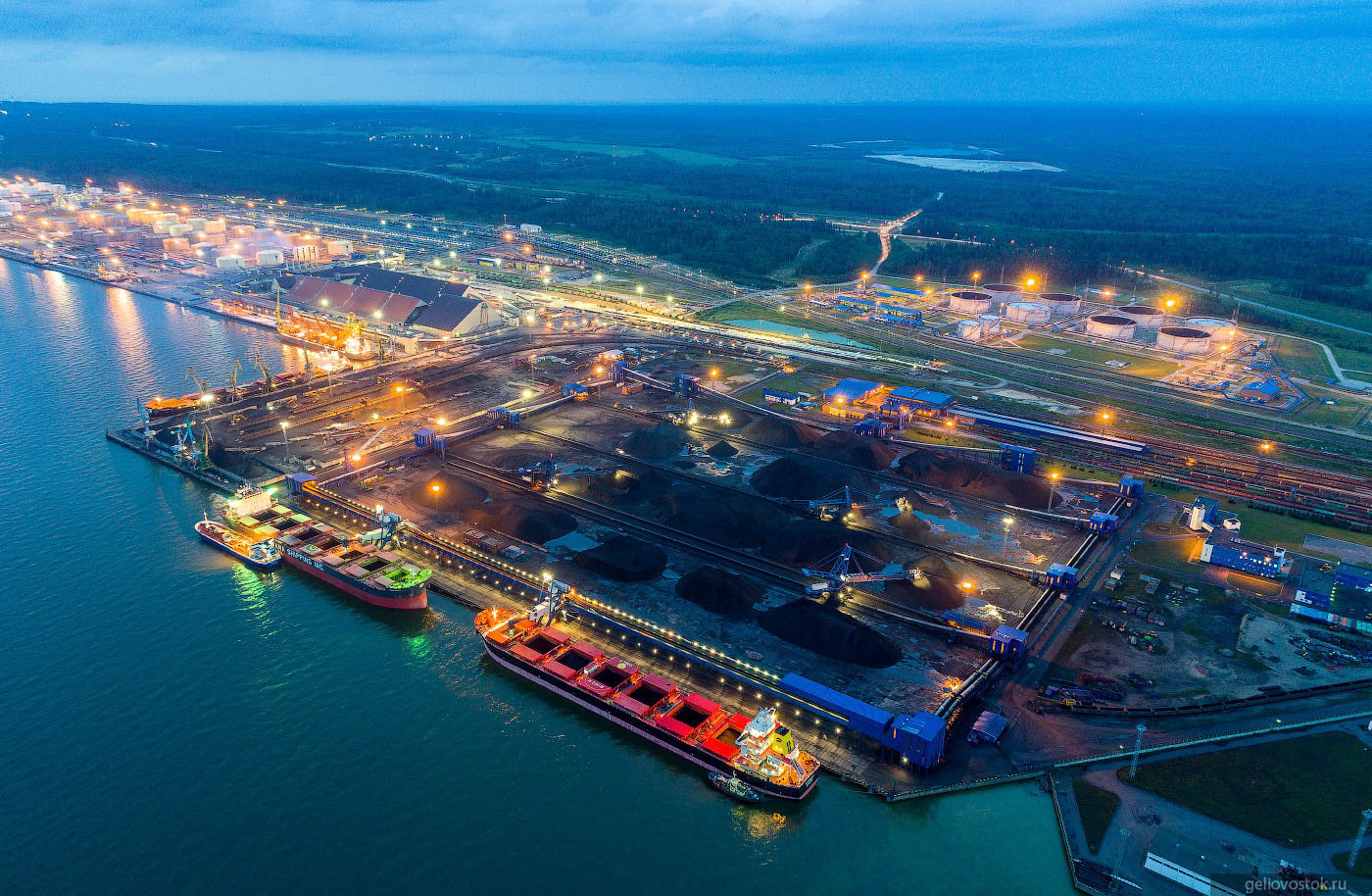
On the night of March 29 the governor of Leningrad Oblast, Alexander Drozdenko, reported an attack by dozens of drones over the region and damage at the port “Ust-Luga”. According to him, air defense forces allegedly intercepted 31 drones; rescuers extinguished a fire at the port, and there were no casualties. The General Staff of the Armed Forces of Ukraine had not commented on these reports at the time of the statement.
“There were no casualties.”
— Alexander Drozdenko, governor of Leningrad Oblast
Why this matters
The port “Ust-Luga” is one of Russia’s key export hubs on the Baltic: it receives large vessels and handles oil, oil products, coal and other cargoes. Damage to such infrastructure directly hits the Kremlin’s foreign-currency revenues and creates logistical bottlenecks for shipments to Europe and global markets.
Experts, including in publications on LIGA.net and Western analytical outlets, emphasize that systematic strikes on energy and port infrastructure are not merely tactical operations but part of a strategy aimed at reducing the resources for war and complicating the Russian Federation’s foreign-economic flows.
Context: a chain of strikes
This is not an isolated incident — at the end of March a series of attacks on infrastructure in Leningrad Oblast and elsewhere in Russia was recorded:
- March 26 — the Russian General Staff confirmed damage to the Kirishi refinery.
- March 25 — reports of damage to an icebreaker and to infrastructure at the oil terminal in the port of “Ust-Luga”.
- March 22–23 — strikes on the oil terminal in Primorsk and on refineries in Bashkortostan.
What’s next
If attacks on logistics and energy infrastructure continue, they will put additional pressure on Russia’s ability to export hydrocarbons without interruption and could affect prices and supply chains in the region. At the same time, such actions are not without risks of escalation and draw increased attention from Western partners regarding the security of sea lanes and ship insurance.
Analysts agree that the aim of this phase is to limit the Kremlin’s ability to accumulate foreign-currency revenues and to weaken its logistical resilience. At the same time, it is important to separate confirmed facts from official statements by the parties: so far Russian authorities report an attack and a fire; comments from the Ukrainian General Staff are absent.
Key question: can Russia quickly restore operations at “Ust-Luga” and protect other export hubs — the answer will affect not only the Kremlin’s economic outlook but also the resilience of European supply chains.



