Nighttime combined attack: 242 drones and 36 missiles — what it means for Ukraine's defense
Russia combined a massive strike of drones and missiles, including ballistic weapons launched from the Kapustynyi Yar training range. We analyze the tactics, the consequences for critical infrastructure, and what this means for air-defense requirements.

By Tetiana Suchkova-Ladik
January 9, 2026 · 2 min read
Essence of the event
In the night before January 9, Russia carried out a combined strike against Ukraine — according to the Air Forces, 242 UAVs were recorded (about 150 of them — strike "Shaheds") and 36 missiles. Among the missiles were 13 ballistic "Iskander‑M"/S‑400, 22 Kalibr cruise missiles launched from the Black Sea area, and one medium‑range ballistic missile launched from the Kapustin Yar training ground.
"Movement of 242 UAVs, about 150 of which were strike 'Shaheds', and 36 missiles was recorded during the night. Air defenses destroyed 226 drones, 8 ballistic missiles and 10 'Kalibr' missiles"
— Air Forces of the Armed Forces of Ukraine
What was used and from where
The attack combined different types of weapons: mass drones to overload air defenses and high‑speed ballistic and cruise missiles to strike critical infrastructure. Particularly troubling is the use of a medium‑range missile from the Kapustin Yar training ground — this site is linked to a previous "Oreshnik" strike on Dnipro in 2024.
Defense and losses
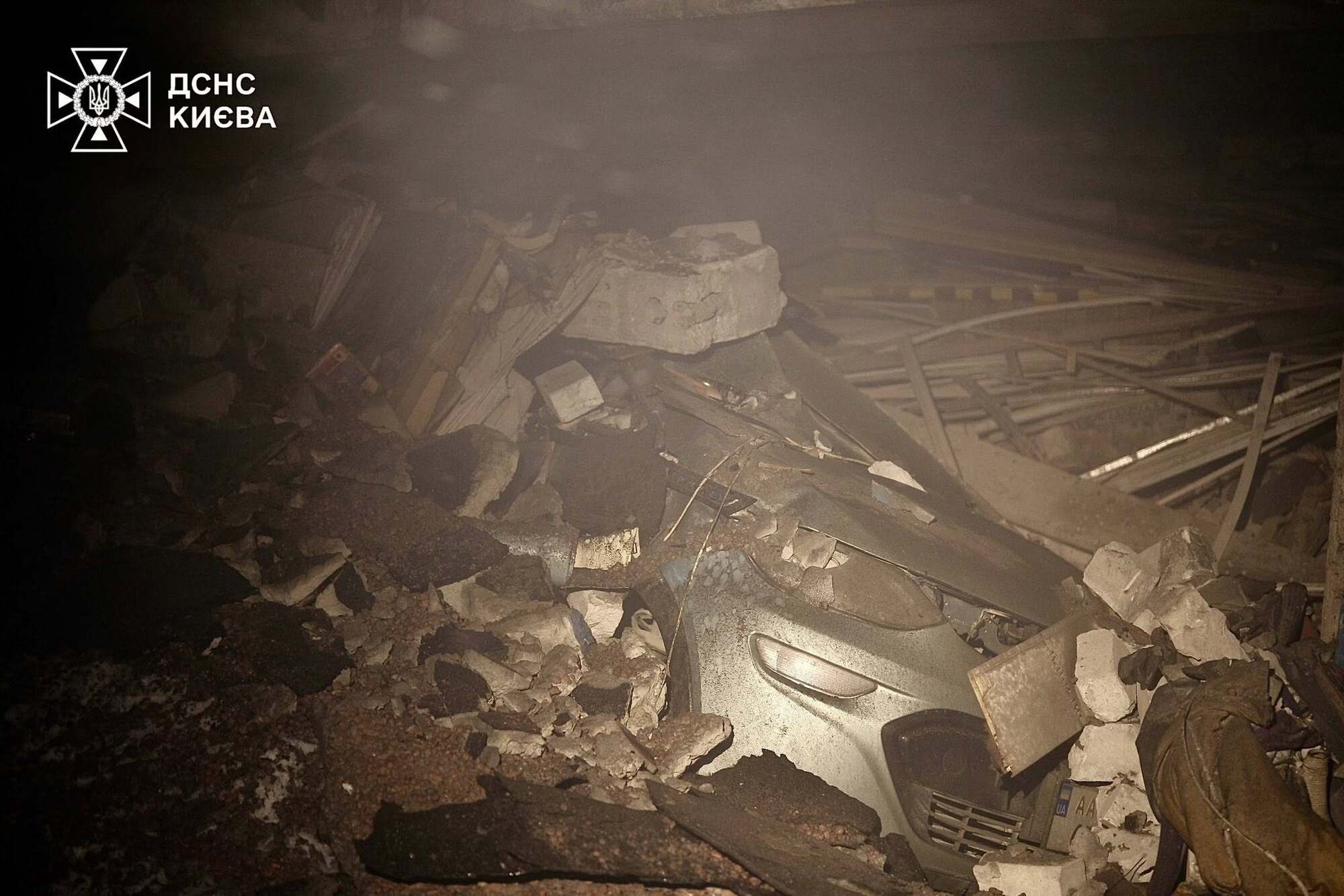
Ukrainian air defenses worked intensively: official figures report the destruction of 226 drones, 8 ballistic and 10 cruise missiles. Despite this, 18 missiles and 16 strike UAVs hit 19 locations. As a result of the strikes, four people were killed in Kyiv, dozens were injured, among the wounded were medical workers; the capital experienced disruptions to electricity, water and heating. In Lviv a critical infrastructure facility was hit — there the ballistic missile was travelling at about 13,000 km/h.
Context and the adversary's motivation
Official Russian sources called the strike supposedly a response to "attacks" on the residence of their leader — a scenario the adversary has used before to justify escalation. From a tactical perspective, combining mass drones with high‑precision missiles allows simultaneously exhausting air‑defense systems and delivering targeted strikes on infrastructure.
What this means for Ukraine and partners
First, the incident confirms that the adversary is scaling up combined strikes, improving the use of training grounds and various delivery systems. Second, analysts point to two interconnected problems: the need for more modern air‑defense systems and increased resilience of critical infrastructure (hardening, backup power supplies, operational response plans).
Strikes of this scale are a litmus test for partners: will diplomatic declarations turn into additional deliveries of air defenses, electronic warfare systems and technical assistance for restoring and protecting critical infrastructure?
Brief conclusion
This night showed both successes and vulnerabilities: air defenses repelled the majority of attacks, but strikes on civilian objects and human losses remind that the protection system must be strengthened. The next round depends on logistics, supplies and decisions by our partners.



