Night drone operation in Tver region: Redkino chemical plant supplying components for aviation catches fire
Systematic operations against enemy infrastructure: the governor confirmed a fire at a plant that produced materials for aviation and defense. Why this matters for Ukraine’s security — a brief analysis.

By Tetiana Suchkova-Ladik
February 7, 2026 · 2 min read
Fire in Tver Oblast — what is known
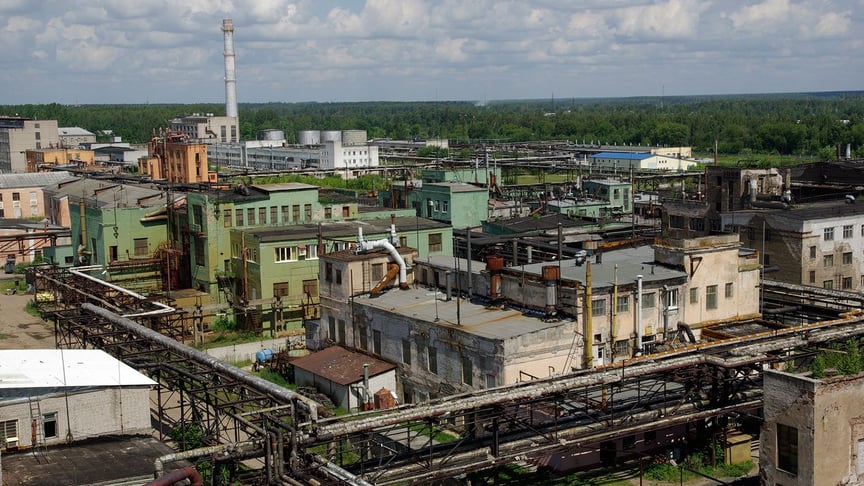
On the night of February 7, a fire broke out at an industrial enterprise in Russia’s Tver Oblast after an attack by drones. The incident was reported by acting governor of Tver Oblast Vitaliy Korolyov; according to him, “there were no casualties” and all necessary services are working on site.
"I have issued a number of directives for continued monitoring of the situation. All forces and resources are in place"
— Vitaliy Korolyov, acting governor of Tver Oblast
Russian outlet ASTRA named the target as the Redkinsky Research Plant in Konakovsky District — a chemical enterprise that produces reagents, resins and components for technical fluids used in the aviation and defense industries. The plant is under Ukrainian and Western sanctions.
Why this matters for Ukraine
At the level of combat strategy, strikes on logistics and elements of production infrastructure aim to reduce the opponent’s technological capabilities. Even if a facility does not directly manufacture weapons, destroying or disabling suppliers of components complicates repair and production of equipment.
This is an example of how targeted actions against dual‑use facilities can shift the balance of power without large‑scale ground operations: systemic disruption of supply chains hits the capabilities of the adversary’s army.
Context and risks
The cited plant specializes in materials used in aviation and technical fluids; taking it out of operation will have a delayed but tangible effect on repair cycles and production. Fires at chemical facilities also carry a risk of contamination — so far there are no confirmations of prolonged emissions or casualties.
Earlier, on the morning of February 6, disruptions to electricity and heating were reported in Russia’s Belgorod after nighttime shelling — this creates a broader backdrop of intensified activity against infrastructure along the border and further into Russia.
What’s next
First, it is important to follow official statements and independent verifications rather than draw hasty conclusions from isolated videos. Second, such incidents also have a political dimension: strikes on production nodes increase economic pressure on the opponent’s defense complex and make sanctions more effective.
Summary: the incident in Tver Oblast is part of a broader picture of operations against the adversary’s infrastructure. For Ukraine this is not only a tactical success but also an element of strategic pressure on the resources that fuel the war. The next step is to monitor confirmations, the effects on supplies, and the reaction of international partners.
Caution: the available video related to the event contains profanity.



