Night strikes on Crimea: defenders struck Okhotnik ships and Be-12 aircraft — what it means
The General Staff reported overnight strikes on Project 22460 border guard vessels and Be‑12 amphibious aircraft in occupied Crimea. We examine how these strikes affect Russia's control over the Black Sea and what consequences to expect in the coming weeks.

By Tetiana Suchkova-Ladik
February 21, 2026 · 2 min read
What happened
On the night of 21 February the General Staff of the Armed Forces of Ukraine reported a series of strikes on enemy facilities on the temporarily occupied Crimean Peninsula.
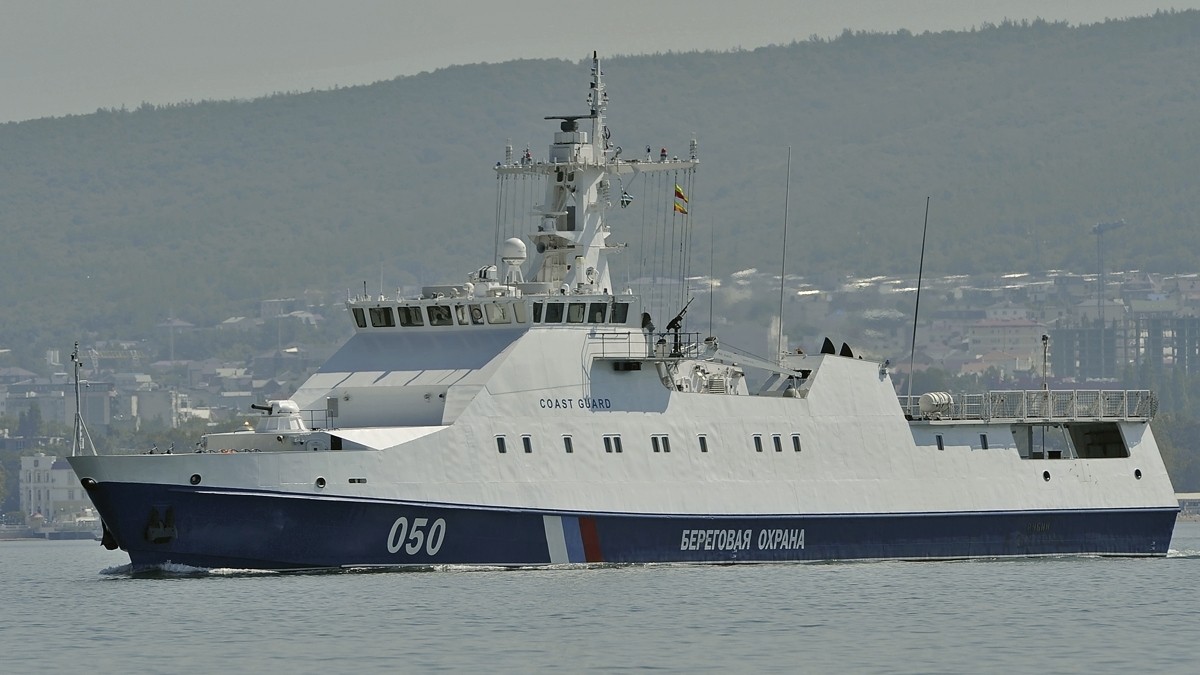
According to the command, in the area of the city of Inkerman two border patrol vessels of project 22460 “Okhotnik” were struck.
Also, at the aviation repair plant in the city of Yevpatoria strikes were recorded on two anti-submarine amphibious aircraft, the Be-12.
In addition, there are reports of a strike on a Tornado‑S multiple rocket launcher near the settlement of Astrakhanka in Zaporizhzhia Oblast.
"Hits on targets have been recorded. The extent of the damage is being clarified"
— General Staff of the Armed Forces of Ukraine
Why it matters
Strikes on patrol ships and aircraft are not only tactical defeats of individual assets. Limiting maritime reconnaissance and patrols reduces Russia’s ability to control shipping corridors and intercept supply lines. Damage to repair facilities slows the return of equipment to service — even partial hits during the repair stage have a longer-lasting effect than a single shoot-down at sea.
Context and sequence of operations
This fits into a series of targeted strikes on the enemy’s naval and aviation assets. In September 2025 the GUR reported the destruction of two Be-12s, and in December of that year the Special Operations Forces struck an Okhotnik patrol ship and a drilling platform in the Caspian Sea. Analysts view this as a consistent strategy to weaken Russia’s presence on the water.
"Enemy losses and the final scale of damage inflicted are being clarified"
— General Staff of the Armed Forces of Ukraine
Consequences and what to expect
While official tallies are being confirmed, two levels of effect are visible: tactical — an immediate reduction in the enemy’s capabilities, and strategic — an increase in the cost of basing and maintaining equipment on occupied territory. It also sends a signal about the possibility of striking critical infrastructure far from the front line.
In the coming weeks the key points will be: confirmation of material losses, the nature of repairs to the damaged equipment, and Russia’s response — whether it will reinforce air defenses and change basing logistics. This will determine how permanent the loss of the enemy’s capabilities will be.
Question for partners and analysts: will there be sufficient intelligence and firepower to turn such tactical successes into a stable long-term advantage at sea?



