Germany hesitates over a mandate to deploy forces to Ukraine — what it means for security
Defense Minister Boris Pistorius says a possible Bundestag mandate remains open. Why Berlin is choosing restraint — and what that means for practical support for Ukraine now.

By Tetiana Suchkova-Ladik
December 16, 2025 · 2 min read
Why it matters
Berlin's decision will affect not only the political balance within the EU but also the ability of international forces to operate inside Ukraine. Germany is a key partner: its position determines how large-scale and coordinated the European response on security guarantees will be.
What Pistorius said
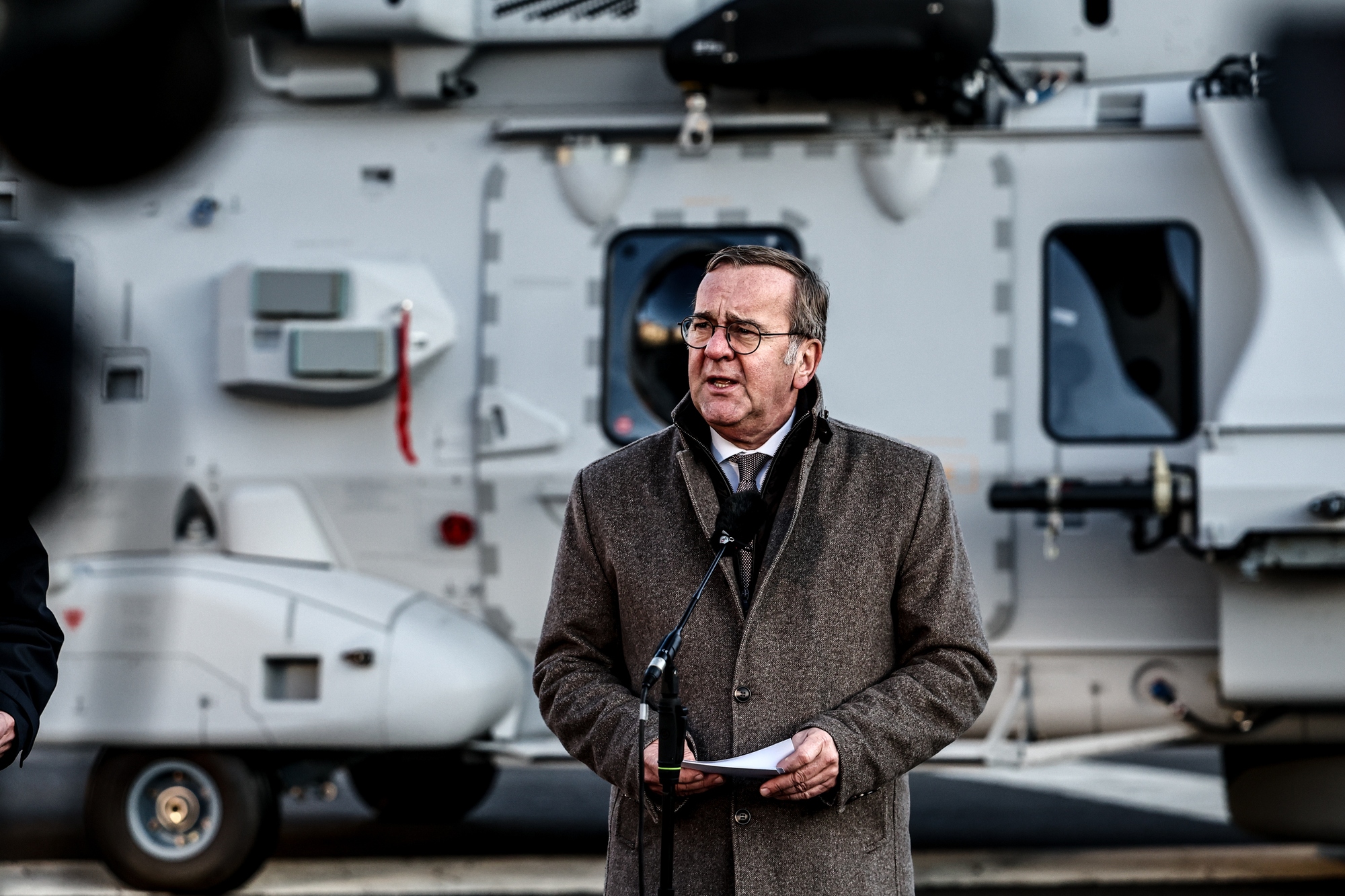
According to Der Spiegel, Defense Minister Boris Pistorius expressed reservations about the specific tasks of potential European forces for Ukraine. He called the initiative fundamentally justified but stressed that the mandate from the Bundestag "remains open" — questions about command, tasks and jurisdiction have not yet been resolved.
"A possible mandate from the Bundestag remains open, as do the questions of under whose command, what will actually happen, where and within what framework"
— Boris Pistorius, Germany's Defense Minister (according to Der Spiegel)
EU and partners' position
After talks in Berlin, Chancellor Friedrich Merz and several European leaders called for the creation of multinational forces under European leadership with U.S. support. Their goal is to guarantee the security of airspace and seas, including through operations on Ukrainian territory.
"European capitals are working on a fairly precise plan for potential military deployment"
— Ursula von der Leyen, President of the European Commission (interview with FT)
Why Berlin is cautious
Analysis of Germany's caution offers several logical explanations: constitutional constraints on deploying troops abroad, the political vulnerability of coalitions, fear of escalation with Russia, and uncertainty over command and the legal status of operations. Analysts in FT and Der Spiegel emphasize that without clear agreements the risks for German forces and for the entire project increase.
Context of the US and allies
This summer the US leader indicated a readiness to support allies, including with air assets; France and the United Kingdom insist on concrete preparations. However, the real balance of forces depends on agreeing roles: who will command the operation, what the mandates will be, what logistical support will look like — and, most importantly, how to minimize the risk of direct confrontation with Russia.
What this means for Ukraine
Germany's restraint does not mean refusal of assistance — it signals that debates are moving into the practical realm: drafting the mandate, the legal regime and coordination among allies. For Ukraine it is important that declarations turn into concrete security mechanisms: air-defense systems, escorts for shipping, intelligence, logistics.
Brief conclusion
Germany is asking "how" and "to what extent", not "whether at all". This is logical from a risk-management perspective, but it slows decision-making. Now it's down to details: partners must agree on command, rules for the use of force and legal guarantees — and only then can a Bundestag mandate become a real security instrument for Ukraine.
Question for partners: can the EU and the US quickly agree on clear frameworks so that restraint does not turn into a postponement of necessary support?



