Norway Rejects Trump’s Peace Council — a Challenge to the UN and a Lesson for Ukraine
Norway declined to join Donald Trump's initiative, citing the risk of undermining the UN's role and the broad mandate of the new body. We explain why this matters for international law and what it means for Ukraine's security.

By Tetiana Suchkova-Ladik
January 20, 2026 · 2 min read
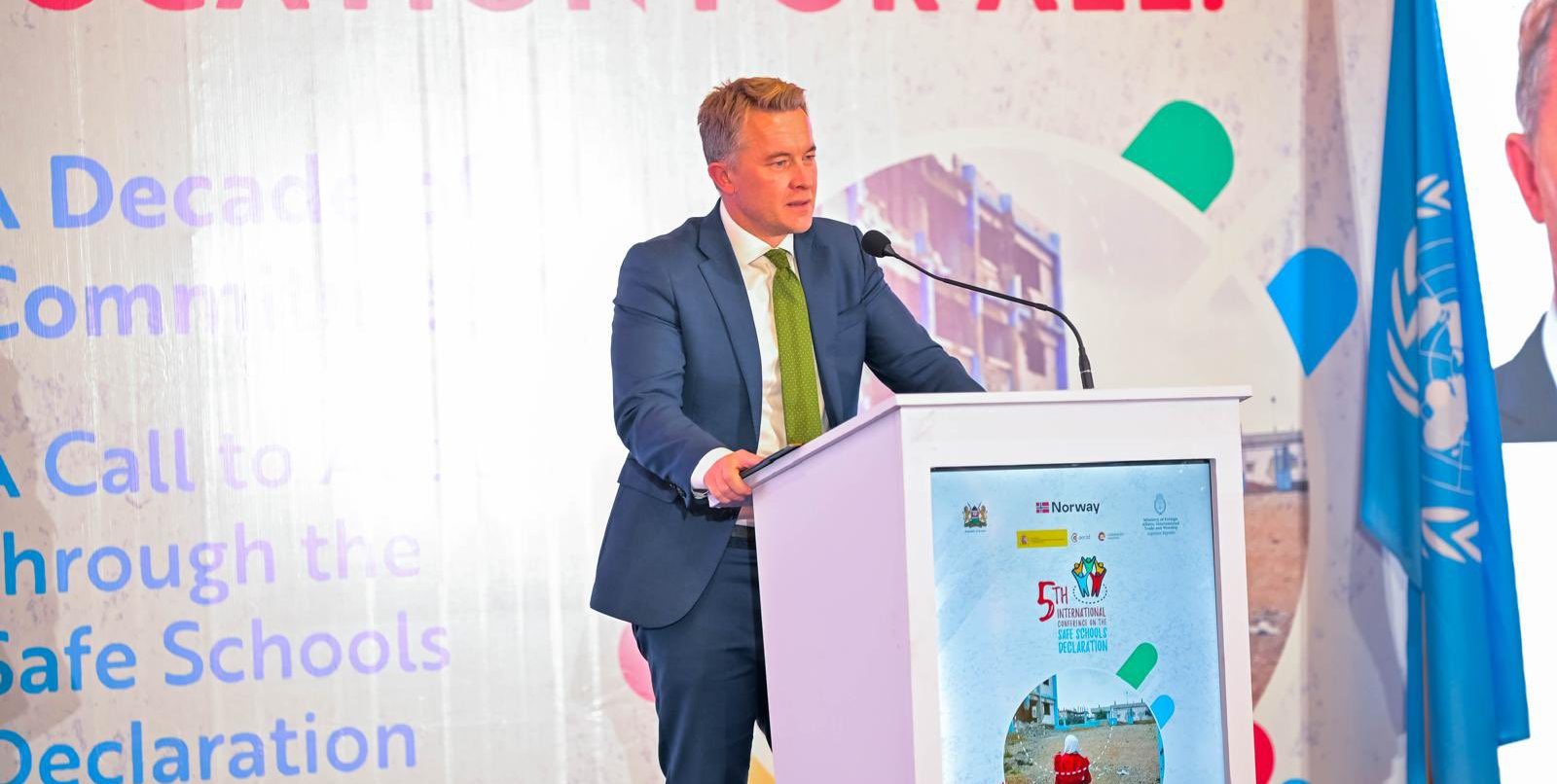
In high diplomacy, quiet decisions matter more than loud statements
Norway refused to become a member of the "Peace Council" — an initiative of US President Donald Trump aimed at resolving the conflict in the Gaza Strip and potentially other crises. This was stated in an interview on the Aftenpodden podcast by Deputy Minister of Foreign Affairs Andreas Motsfeldt Kravik. The decision carries weight not only as an individual refusal: it highlights legal and political risks that could also affect Ukraine.
Why Norway refused
Kravik directly pointed to the main obstacle: Norway cannot join a structure that calls into question the role of the UN and established principles of international law. According to him, the Council's statute envisages a much broader mandate than just working on long-term peace in Gaza, and this creates a precedent.
"It is perfectly clear that we cannot be part of a structure that challenges the role of the UN and existing international law. That would be absolutely impossible for us. And not only for us, but for the vast majority of countries that place the UN and international law at the foundation of their foreign policy."
— Andreas Motsfeldt Kravik, Deputy Minister of Foreign Affairs of Norway
Additional background: Bloomberg reports that Trump invited around 50 countries, but not all confirmed participation, and that permanent membership is priced at $1 billion. The Financial Times adds that Trump's plans include a similar Peace Council for Ukraine, with invitations to representatives of Russia as well.
Who else is refusing and why this matters
France has already announced it will not join — partly because Russia and Belarus are included on the list. Such a cluster of refusals serves as social proof: the diplomatic community is increasingly inclined to view the creation of parallel forums of dubious legitimacy as undermining the role of multilateral institutions.
What this means for Ukraine
For us the key issue is not only symbolic. If post-conflict forums are planned outside the UN mandate — and at the same time provide a platform to aggressor states — this creates risks of normalizing approaches that weaken mechanisms for accountability and the distribution of assistance. In other words: if the UN can be bypassed today in the case of Gaza, tomorrow there may be a temptation to do the same in other crises, including those concerning Ukraine.
Brief conclusion
Norway's refusal is a test of the resilience of the international order: are partners prepared to defend the role of the UN and international law, even when alternative, politically convenient initiatives emerge. For Ukraine this is a signal — to be attentive to the formats in which peace and security issues are decided, and to insist on transparent mechanisms rather than quick PR forums.
Next — to the partners: declarations must turn into clear rules of participation and accountability. Otherwise the risk of a precedent grows — and this will affect trust in the international system that Ukraine is currently defending.



