Norway Ends Collective Protection for Ukrainian Men — What It Means for Refugees and for Ukraine
Men aged 18–60 will no longer receive automatic collective protection: from now on individual applications, new criteria and exceptions apply. We examine the consequences for families, the front and European asylum policy.

By Tetiana Suchkova-Ladik
March 27, 2026 · 3 min read
Putting Emotions Aside — Analyzing the Facts
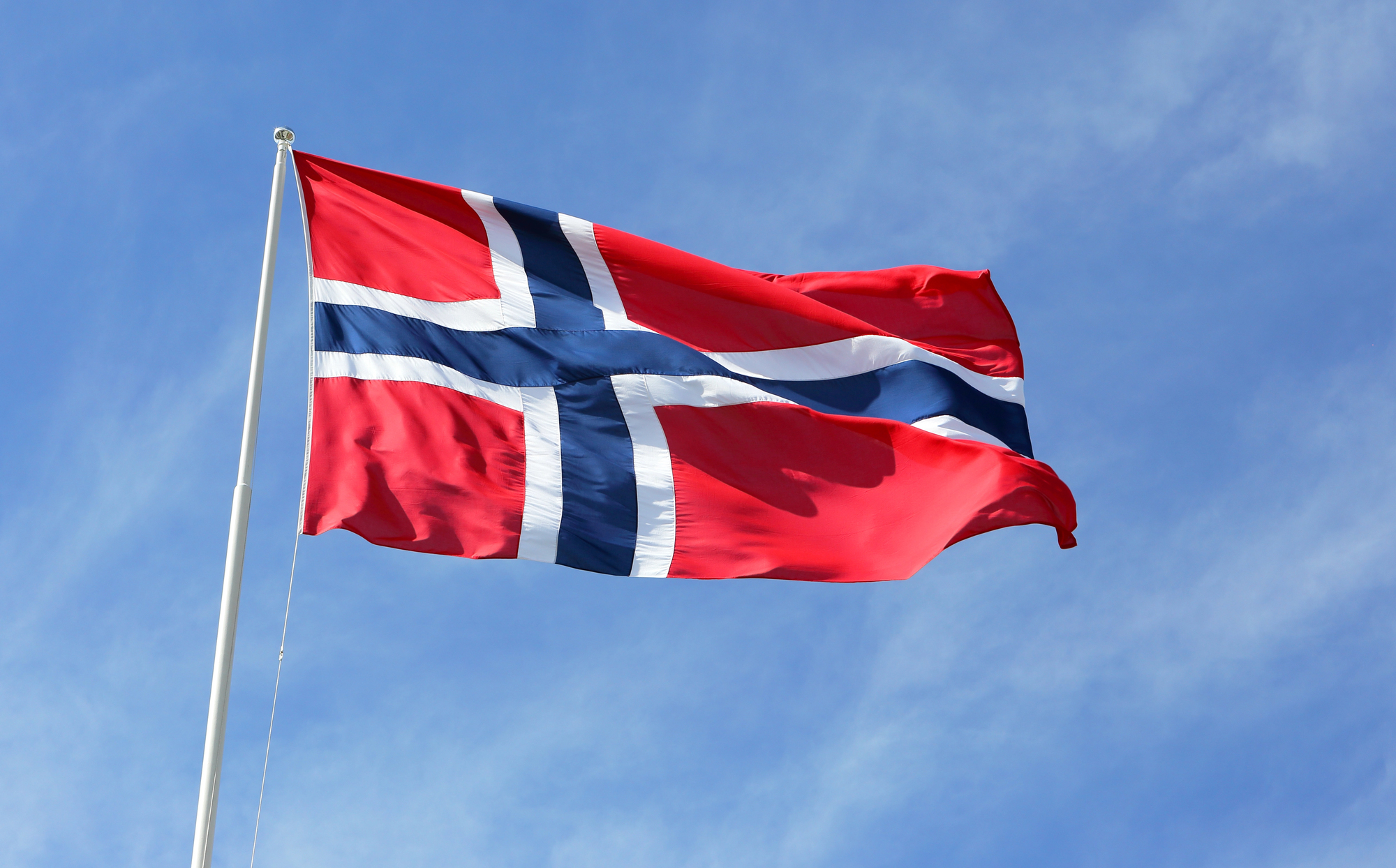
Norway has announced a change in rules for Ukrainian refugees: men aged 18 to 60 will no longer have the right to the so-called collective protection. Instead of an automatic temporary residence permit they must submit individual asylum applications and undergo individual screening, the Norwegian government website reports.
What Exactly Has Changed
Previously Norway issued temporary residence permits through a simplified group procedure to groups of people, including Ukrainians who fled because of the war. Now that route is closed for men aged 18–60: the state will consider each application separately, under the general asylum rules.
“Norway has already accepted the most Ukrainians in Northern Europe, and Norwegian municipalities report pressure on service systems and a shortage of housing. Therefore we are tightening the rules,”
— Astri Aas-Hansen, Minister of Justice and Public Security of Norway
Who the New Policy Will Affect — and What the Exceptions Are
The restriction applies only to new applicants and does not extend to those who already have collective protection. Exceptions are provided for minors, men older than 60, people unfit for military service, evacuees under medical programs, and those who are the sole caregivers of children in Norway.
Why This Matters: Rationale for the Decision
The official rationale is pressure on municipal services and a housing shortage. In an interview with VG the minister also cited data indicating that a significant portion of Ukrainians are not in the armed forces or are avoiding mobilization, explaining why Norway seeks to reduce the outflow of working-age people from Ukraine.
“This will ensure that Norway does not accept a disproportionately large number of people compared with our neighboring countries, and will also help Ukrainians already here to find work and support themselves,”
— Astri Aas-Hansen, Minister of Justice and Public Security
Consequences — for People and for Public Policy
In short: for many men this means longer waits, more complex administrative procedures and uncertainty for families. For Ukraine — a signal that some European partners are reassessing approaches to offering shelter, partly due to domestic pressure on social services and the labor market.
Wider Context
The Norwegian change is not isolated: in Europe there are already examples of tougher policies toward Ukrainian displaced persons — mentions include plans in the Czech Republic, steps by Germany and legislative changes in Poland regarding social guarantees. Analysts and media, including LIGA.net, have already examined why in some countries Ukrainians find it harder to get a job or housing — this is part of a broader trend of adapting asylum policies to a prolonged crisis.
What Next — Forecasts
Norway's decision has several likely consequences: in the short term — increased pressure on asylum procedures and growing uncertainty for individuals; in the medium term — a redistribution of migration flows within the EU/EEA; in the long term — political pressure on Kyiv and on international mechanisms for supporting refugees. For the Ukrainian side it is a challenge: to preserve human resources while simultaneously supporting the army and civic life.
The question that remains open: will European declarations of solidarity turn into concrete instruments that help both the country and the people — or into measures that restrict flows. The answer depends on coordination among partners, who at the policy level must combine support for Ukraine with the realities of their domestic systems.



