Norwegian Officer Helped "His" Company Win Mask Contract for Ukraine — and Came Under Investigation by Økokrim
A Norwegian Army officer is suspected of using his official position to award a state contract to a company with which he had personal connections. The case concerns supplies under the Nansen program — Norway's largest aid package in history.

By Tetiana Suchkova-Ladik
April 14, 2026 · 2 min read
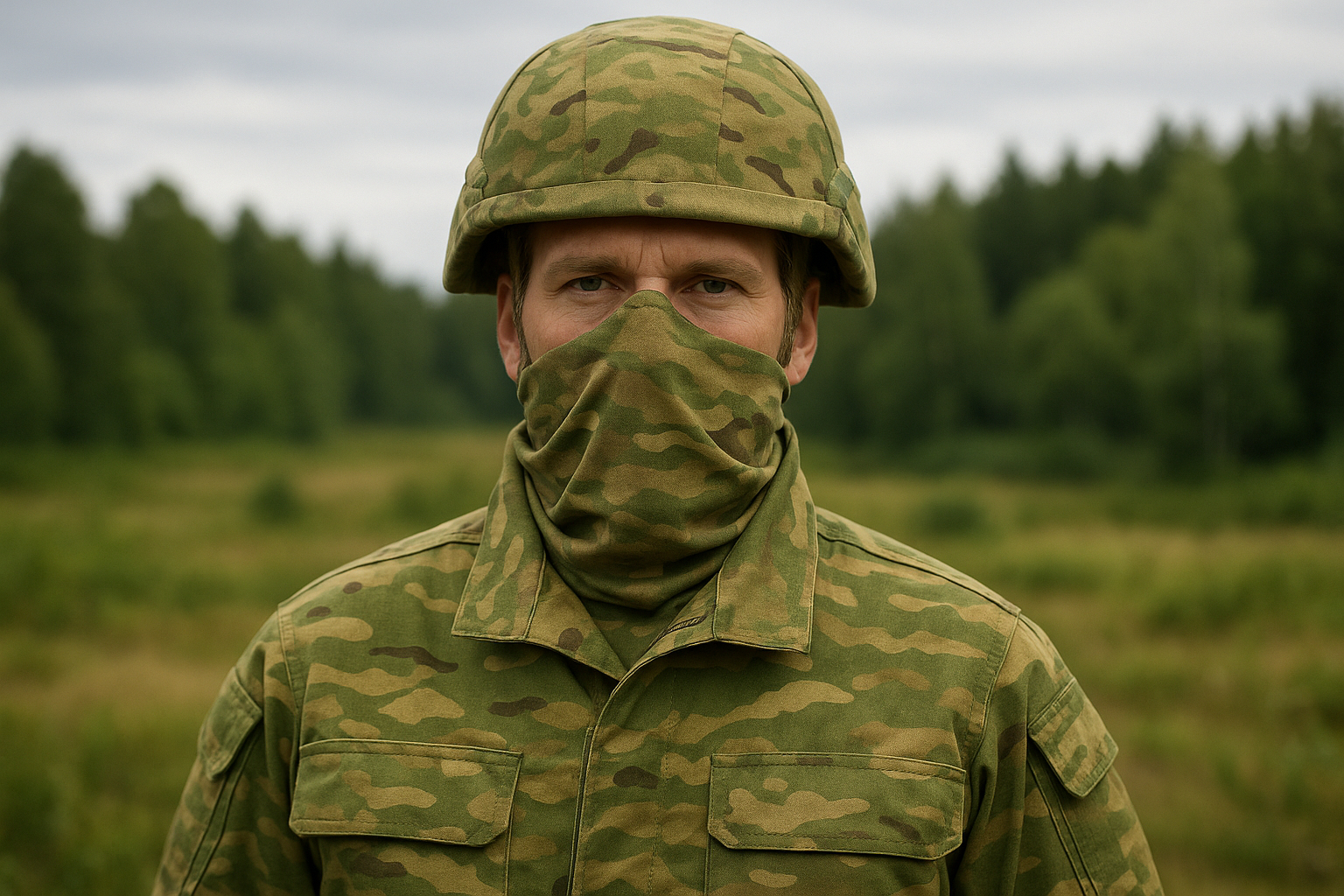
A Norwegian military officer and company director have come under suspicion of financial abuse in a case related to the purchase of protective masks for Ukraine under the Nansen program. This was reported by the Norwegian National Authority for Investigation and Prosecution of Economic and Environmental Crime, known as Økokrim.
Conflict of interest within the supply chain
According to the investigation, the officer had personal connections with the company that ultimately received the contract from Norway's Ministry of Defense. He is charged with abuse of authority — a statute that specifically covers situations where an official makes decisions in favor of a structure with which they are connected. The company director has been charged with financial abuse.
This is not Økokrim's first attention to the topic of "money + Ukraine." Back in May 2022, the agency formed a special task force called "Operation Ukraine" — 15 temporary employees to combat crimes in Norway related to the war. At that time, Økokrim publicly warned that military contracts increase the risk of corruption for Norwegian companies.
What is the Nansen program — and why are the stakes so high
The Nansen program is Norway's support package for Ukraine worth 205 billion Norwegian kroner through 2030, launched in February 2023. It is the largest and longest commitment to provide aid in Norwegian history, covering both military and civilian components.
"All parties emphasize the importance of effective control and audit procedures, especially given that such large sums are being provided to a country that is at war and has significant corruption risks."
— Norwegian government, upon continuation of the Nansen program, 2024
Norad, which manages the civilian portion of the program, declares "zero tolerance" for financial violations: funds are provided in stages, payments are released only after reports and audits are approved. However, the current case concerns not the civilian channel, but directly the military purchases of the Ministry of Defense — where the control chain turned out to be shorter.
Masks as a mirror of the system
Protective masks are not weapons or rockets. But it is precisely the "minor" nomenclature — equipment, protective devices, material supplies — that has traditionally been most vulnerable to procurement manipulation: low public resonance, high standardization, which complicates quality verification without physical testing.
A similar scheme was recorded in Ukraine: during a similar period, the investigation established facts of supplying non-standard ballistic glasses to the Ministry of Defense — the director of that company was also declared wanted.
The difference is that the Norwegian case arose within the donor country, not the recipient country. This is a rare precedent: typically corruption in aid chains is exposed on the side of the end consumer.
What's next
If the court confirms the officer's guilt, it will be the first conviction in Norway for abuse within the Nansen program — and will force a review of procedures for checking conflicts of interest in military tenders. The question is specific: does the Norwegian Ministry of Defense require mandatory disclosure of officers' connections with companies participating in tenders — and if not, will such a requirement appear for the next contract?



