New Year's strike on Odesa: DTEK reveals extent of damage to energy infrastructure — what it means for residents
DTEK released footage of the destruction after the December 31 shelling. We explain what happened, the consequences for electricity supply, and how quickly power can be restored.

By Tetiana Suchkova-Ladik
January 2, 2026 · 1 min read
What happened
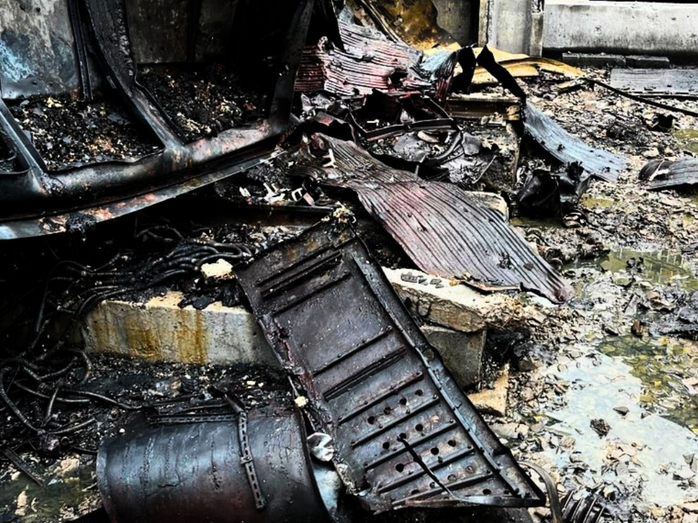
In the evening of December 31 Russian occupiers struck the energy infrastructure of Odesa region. DTEK published a video on Facebook showing the destruction at two substations and the consequences of the fire.
"On the night of December 31 the enemy destroyed two energy facilities of DTEK Odesa Electric Networks, which supply the homes of some residents of the Prymorskyi and Khadzhibeyskyi districts of Odesa. The consequences of the attack are colossal"
— DTEK, press service
Consequences for residents
Rescuers extinguished the fire before the New Year, and repair crews began work after receiving clearance from the military. Within three days power supply was partially restored, but it is technically impossible to fully switch all homes back on.
"Reminder: in the territory of Odesa region scheduled stabilization outages are not applied. However, network limitations are possible in Odesa Raion of the region, in particular in Odesa. These are forced emergency power outages in case of a sudden rise in electricity consumption, to prevent overloading equipment damaged by enemy attacks"
— DTEK, press service
What the energy workers are doing
Repair crews worked even on New Year's night: they cleared debris, inspected equipment, and ordered spare parts. The speed of full restoration depends on access to the sites, the availability of spare parts, and coordination with the military, which secures the work.
Why this matters
Attacks on civilian infrastructure increase the risk of prolonged outages and additional economic costs. In the short term this means added strain on the local energy system and forced emergency shutdowns when needed to avoid overloads. In the medium term — a reminder of the need to strengthen the protection of critical infrastructure and to receive prompt international assistance with equipment and spare parts.
The DTEK video is a record of accountability and evidence of the scale of the destruction; it should be seen not only by local residents but also by international partners on whom the speed of recovery depends.



