NYT: Cheap Shahed drones undermine the balance in the Persian Gulf — risks to shipping and lessons for Ukraine
Iran is producing hundreds of cheap drones that are forcing millions of dollars to be spent on interception. This is a strategic and economic problem for the region — and an opportunity for Ukrainian expertise.

By Tetiana Suchkova-Ladik
March 25, 2026 · 2 min read
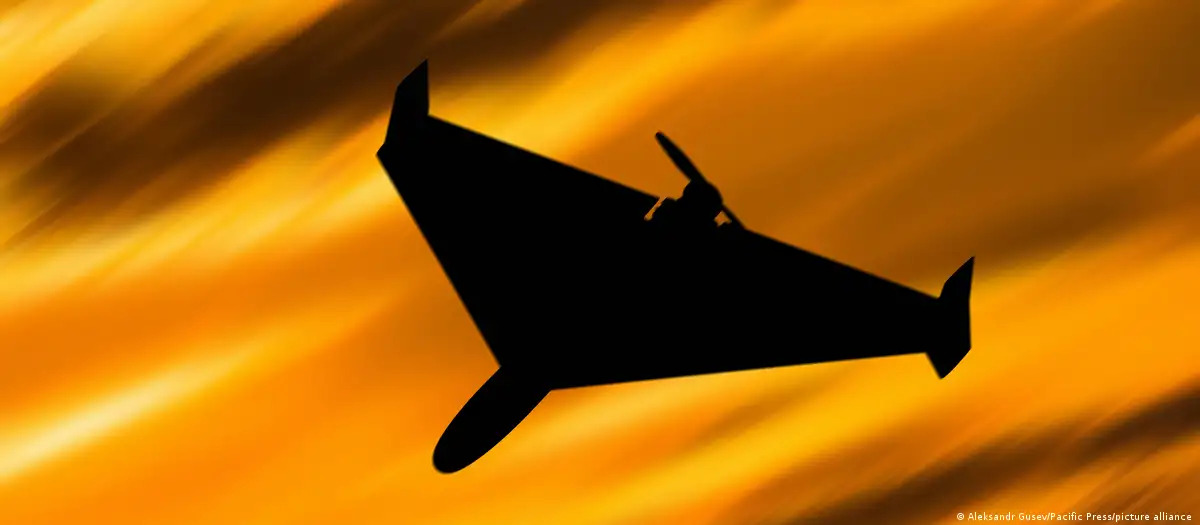
In high-stakes situations, it's not the shots but the numbers that count
The New York Times reports: Iran continues to make heavy use of cheap Shahed drones, and stopping their production is more difficult than U.S. officials had assumed. Even after strikes on factories, parts of the production chain can be rebuilt in small workshops using readily available components — so the problem cannot be solved by strikes on infrastructure alone.
What is happening in practice
Estimates suggest Tehran can launch up to 90 drones a day. They are easy to transport and conceal — launches can be carried out straight from pickups. Some of the devices are shot down by Gulf states, but the rest reach their targets and cause fatalities and infrastructure damage.
Economics versus technology: the logic of attrition
One reason for the Shahed's success is low production cost. One such drone costs about $35,000, while missiles and air-defense systems used to intercept them cost millions of dollars. This asymmetry allows the adversary to gradually deplete air-defense stocks and force partners to pay far more for defense than the attack costs.
"Global stocks of air-defense assets are virtually exhausted"
— Armin Papperger, chairman of the board of Rheinmetall (interview with CNBC)
Strategic dimension: the Strait of Hormuz and oil supplies
As long as Iran retains the capacity for mass launches, it has a tool to pressure the security of shipping in the Strait of Hormuz — a key route for global energy supplies. Disruption of this line would have consequences for world markets and for countries dependent on stable energy deliveries.
Lessons for Ukraine: experience, expertise, opportunity
Ukraine is already familiar with Shahed attacks: our air defenses have learned to operate more effectively against such systems. The president reported that 228 Ukrainian experts are simultaneously working in several Middle Eastern countries to counter mass attacks — an example of transferring combat experience and practical expertise.
At the same time, escalation in the Middle East opens both risks and opportunities: risks — from rising prices and the overstrain of global air-defense stocks; opportunities — for Ukraine's defense industry, which can offer tactical solutions, training programs, and repair capabilities.
Conclusion — what next?
The problem of cheap mass-produced drones is not only technical but strategic and economic. It requires a combination of measures: rapid deliveries of effective air-defense systems, logistical coordination and intelligence, and international cooperation that turns declarations into concrete contracts and deliveries. Whether partners can respond quickly enough to prevent this asymmetry from becoming the new norm is a key question for the region's security and for Ukraine's interests.



