NYT: CIA Monitored Khamenei for Months — How It Reshapes U.S.-Israel Intelligence Cooperation and What It Means for Ukraine
The New York Times reports that months-long CIA intelligence surveillance enabled the United States and Israel to coordinate the timing of a strike against Iran’s supreme leader. We explain why sustained intelligence gathering matters and what this means for regional security and for Ukraine.

By Tetiana Suchkova-Ladik
March 1, 2026 · 2 min read
In brief
The New York Times, citing unnamed sources, reports that the CIA tracked Ayatollah Ali Khamenei's movements for several months and passed those data to Israel and other partners. The obtained information allegedly confirmed that on the morning of February 28 Khamenei would be at a meeting of senior officials at a residence in Tehran, after which the US and Israel adjusted the timing of the strike.
How the intelligence worked and why it matters
The usual effect of long-term intelligence work is not only detecting a location but also gathering context: routes, daily rhythms, accompanying risks. Such information makes it possible to better synchronize a strike, reduce collateral damage, and increase the likelihood of mission success. According to the NYT, this was the key factor in preparing the operation.
"The CIA passed to Israel information that 'confirms a high degree of confidence' in Khamenei's whereabouts."
— unnamed interlocutors, The New York Times
Chronicle of consequences
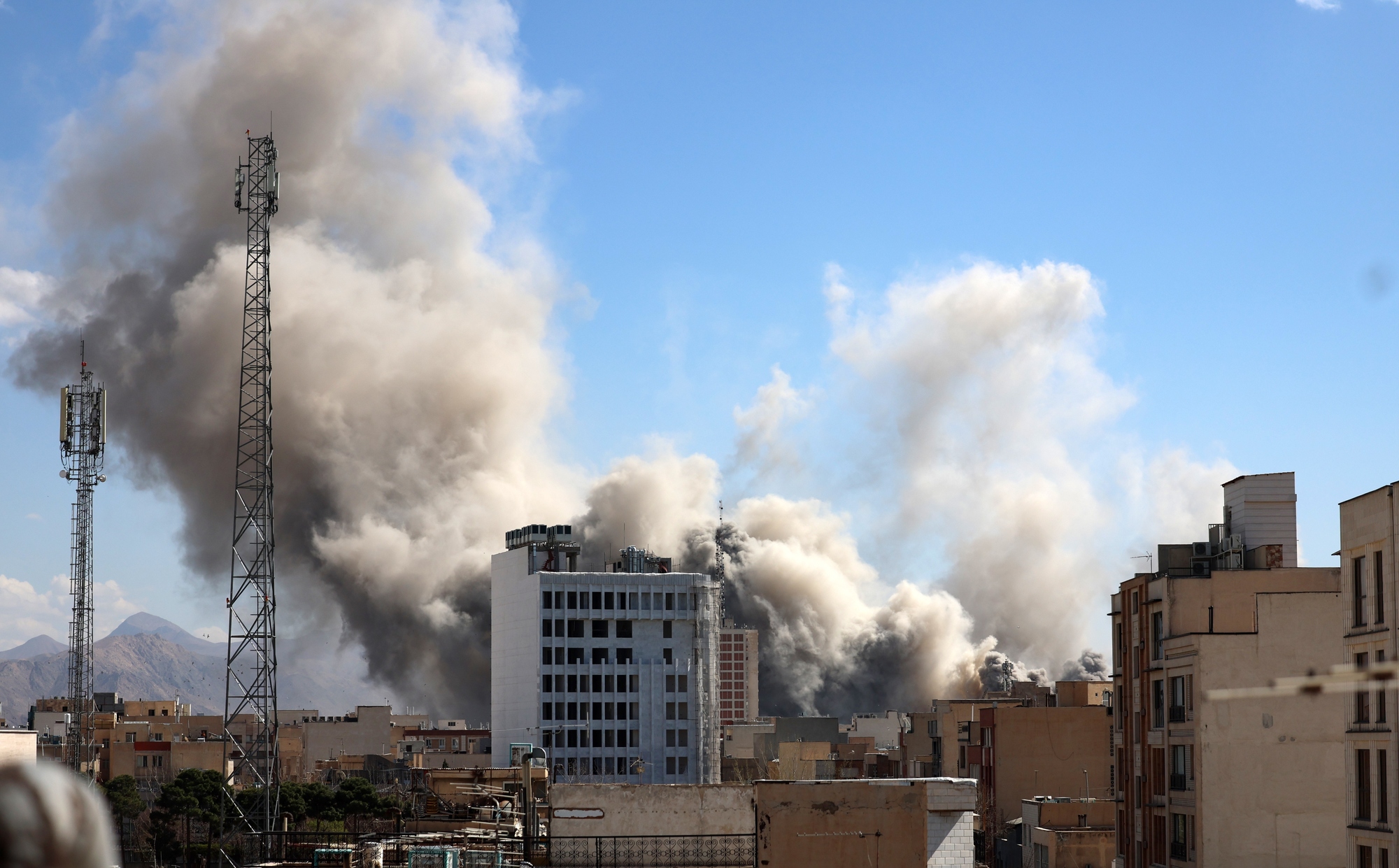
According to reports, on February 28 a joint US–Israeli attack began, during which the Supreme Leader's residence was damaged. In the evening Reuters reported Khamenei's death; Iran responded with strikes on countries in the Persian Gulf where American bases are located. After that, Tehran announced the temporary appointment of a new Supreme Leader.
"Its goal — the protection of Americans and the destruction of the 'brutal Iranian regime'."
— Donald Trump, then President of the United States (quote from reports about the reaction to the attack)
What this means for Ukraine
1) Model of cooperation. Coordination of intelligence data among advanced services shows what effective allied work looks like — from collection to decision-making. For Ukraine this is an example of how to integrate its own data with partners to increase responsiveness and accuracy in time-sensitive moments.
2) Risk of escalation. A strike on Iran's Supreme Leader and Tehran's response raise regional tensions and risks to global energy supply chains. This can affect prices and logistical planning, which is important for Ukraine's economic resilience during the war.
3) Lessons for security. Long-term intelligence work and the cultivation of source networks — what is often called the "quiet work" of many analysts and technicians — create the systematic capacity to act precisely and minimize side effects.
Conclusion
If the NYT and related reports are to be believed, we are seeing a scenario in which the outcome depended on months of data collection and verification, not merely on a single decision in an office. For Ukraine, the main question now is how to turn declarations of support into reliable mechanisms of information exchange that will function in crises. Whether partners can use the lessons of this operation to strengthen our defense capability is a question for the coming months.



