Officer at Mykolaiv military recruitment center notified of suspicion — dozens of complaints point to systemic violations
The State Bureau of Investigation (DBR) has announced suspicion against an officer accused of using force during mobilization. More than 30 complaints to the bureau raise questions about oversight and public trust in the work of local military enlistment offices.

By Tetiana Suchkova-Ladik
January 8, 2026 · 1 min read
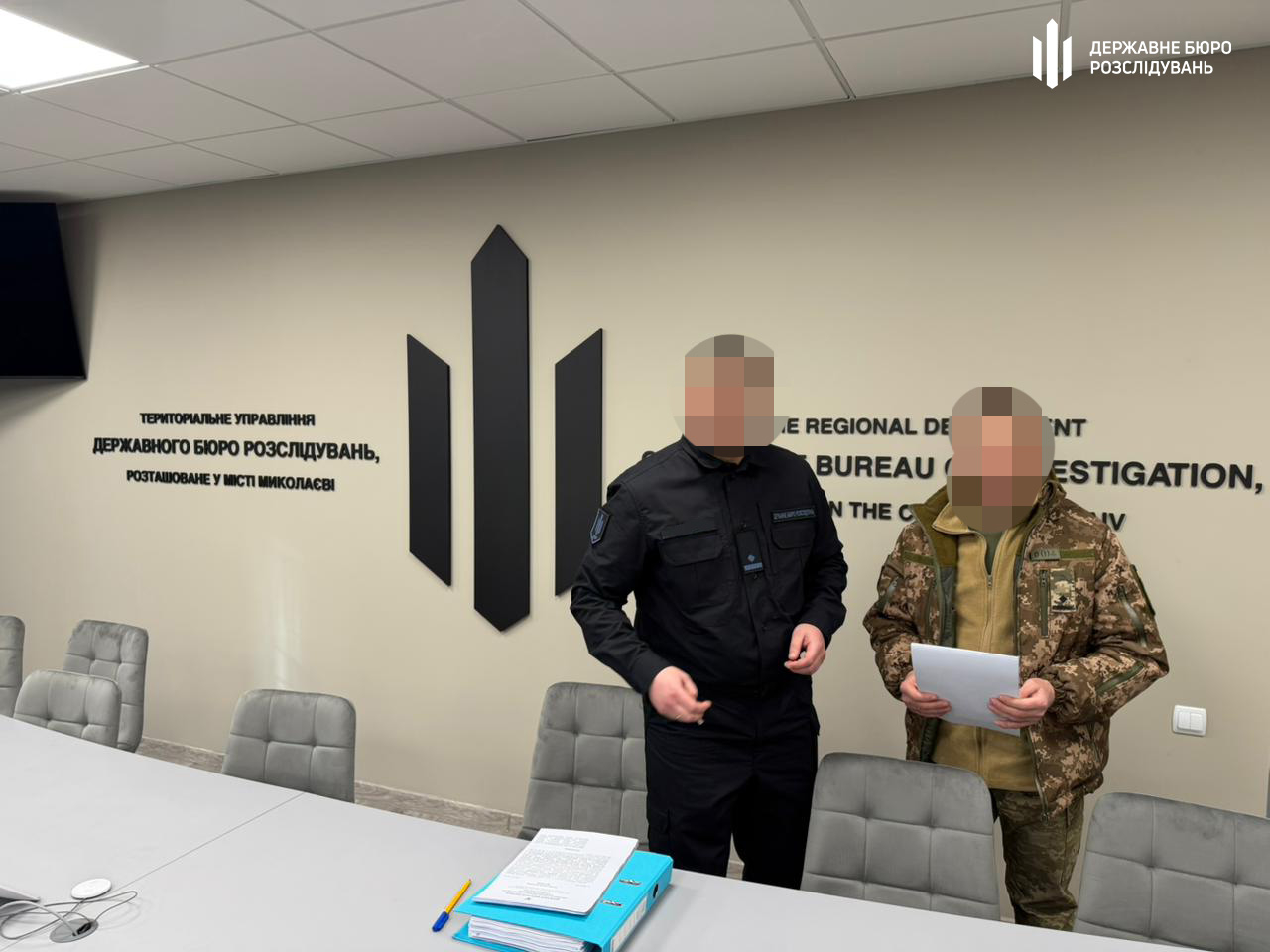
DBR investigation: suspicion against a TCC officer in Mykolaiv
The State Bureau of Investigation has informed an officer of one of the Territorial Recruitment and Social Support Centers in Mykolaiv region of suspicion. He is accused of using physical force against conscripts during mobilization in the Korabelnyi district.
“More than 30 complaints indicate a systemic nature of violations in the work of the Korabelnyi TCC”
— State Bureau of Investigation
Context and significance
At least 30 complaints recorded by the DBR are not an isolated incident. Systemic violations in the activity of the TCC undermine trust in mobilization mechanisms and may complicate the recruitment and preparation of resources needed for the country's defense.
Beyond the obvious legal aspect, there is a reputational risk for the institutions responsible for staffing units. This situation requires not only individual accountability but also a review of control procedures and communication.
Similar cases in the security context
The investigation in Mykolaiv takes place against the backdrop of other high-profile reports of security breaches in and around the Armed Forces:
- 17 December — a report of suspicion against the head of a medical unit of one of the combat brigades for directing strikes on ammunition depots.
- 5 January — the SBU reported uncovering in Dnipro an individual who was directing enemy airstrikes.
What next
The officer has been notified of suspicion for intentionally inflicting bodily harm; the article's sanction provides for a fine, community service, and corrective labor. But the number of complaints underscores that systemic measures are needed — an audit of TCC procedures, transparent communication with citizens, and staff training on conduct standards during mobilization.
Punishing an individual perpetrator is important, but the key question is broader: will the Ministry of Defense and local authorities be able to quickly turn these signals into changes that will restore trust and increase the effectiveness of mobilization processes?



