Orban Between Tel Aviv and Tehran: How Hungarian Minister Offered Iran Intelligence After Pager Explosion
On September 30, 2024, Peter Szijjarto called his Iranian counterpart and proposed sharing Hungarian intelligence data about the attack on Hezbollah. This is the same Szijjarto who is supported by Netanyahu and Trump in the election.

By Tetiana Suchkova-Ladik
April 9, 2026 · 2 min read
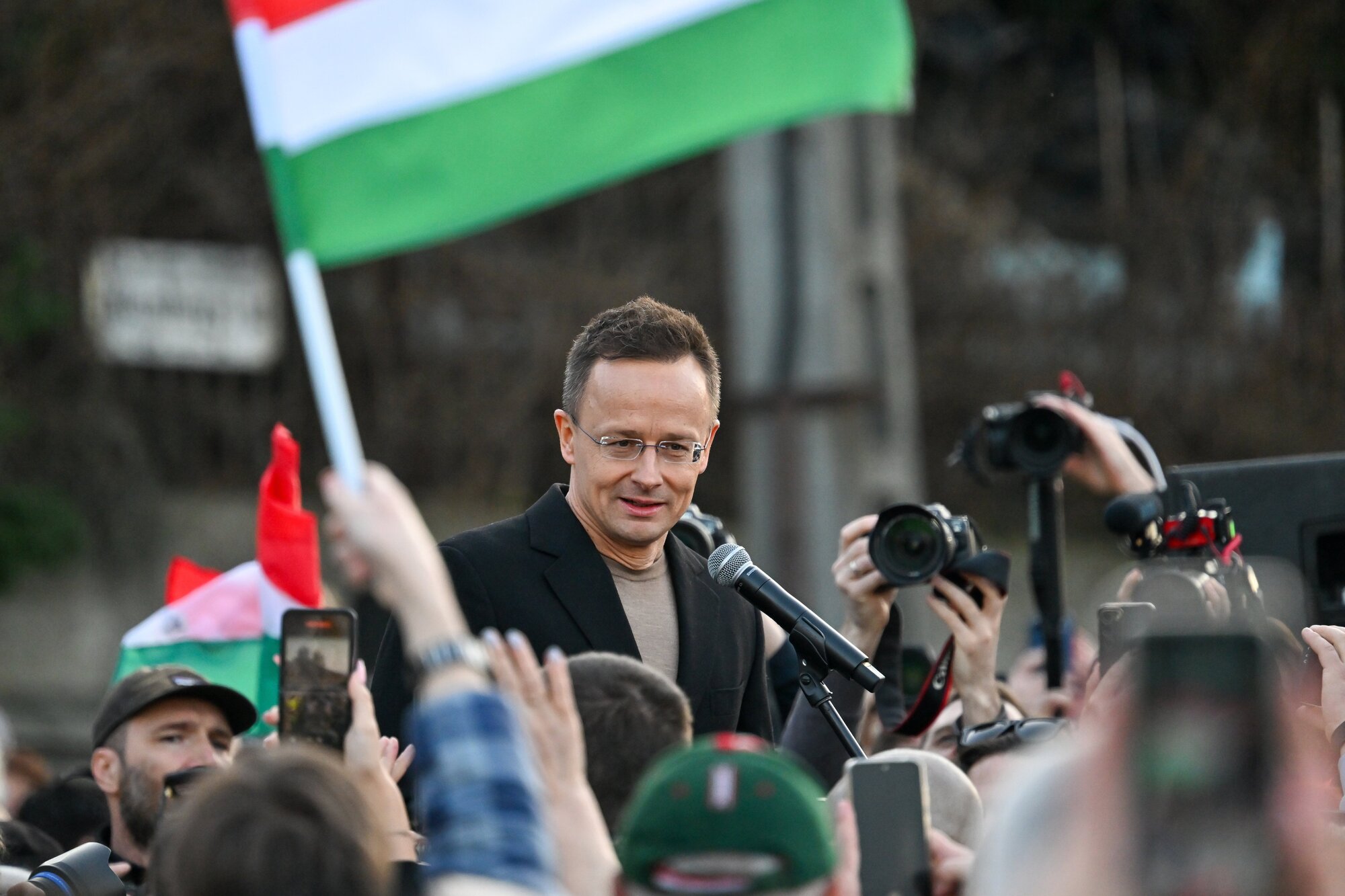
Hungarian Foreign Minister Peter Szijjártó called his Iranian counterpart Abbas Araghchi on September 30, 2024. According to a transcript obtained by The Washington Post, Szijjártó assured him that Hungary was not involved in the production of the pagers that exploded — and added that Hungarian intelligence had already launched its own investigation and was ready to share collected data with Tehran.
The attack occurred on September 17-18: thousands of pagers and radios belonging to Hezbollah members exploded simultaneously. Twelve people were killed and over 2,800 were injured. No one publicly claimed responsibility, but all signs pointed to Israel.
Where's the paradox
Hungary officially positions itself as one of the most pro-Israel members of the EU. Prime Minister Netanyahu, ahead of Hungary's 2026 elections, called Orbán a man who "stands like a rock" — effectively calling on Hungarians to vote for him. Meanwhile, U.S. Vice President JD Vance came to Budapest and spoke at a pro-Orbán rally.
"Hungary is one of the strongest supporters of Israel in official policy"
— former White House official, cited by The Washington Post
This is why Szijjártó's call to Tehran is more than just a diplomatic gesture. It's an offer of intelligence cooperation with a country that the U.S. officially considers a state sponsor of terrorism, made just two weeks after the year's loudest covert operation.
This is not the first case
The pager scandal is just a new episode in a longer series. According to investigative media, including VSquare, Szijjártó regularly passed confidential materials from closed EU meetings to Sergei Lavrov. The opposition party "Tisza" is demanding a case be opened for treason — a charge that carries a life sentence. The Hungarian government responded by prosecuting journalist Sabolcs Pani, who published recordings of the conversations.
- September 2024: Hezbollah pagers explode; Hungary offers Iran investigation data
- Early 2026: leak of transcripts of Szijjártó's talks with Lavrov about interference in Slovak elections
- April 2026: WP publishes material about the call to Iran; Vance and Netanyahu campaign for Orbán
Why Washington is silent
A former White House official acknowledged in a comment to WP that Hungary may have been trying to reduce tensions with Tehran following the attack. But this explanation doesn't answer the question — because the Trump administration is simultaneously conducting harsh diplomatic pressure against Iran and supporting Orbán in elections. Two positions are hard to maintain in the same logic.
The material was published a week before Hungary's parliamentary elections on April 12, 2026 — when any new revelation is maximally sensitive for both sides.
If Orbán wins the election and WP publishes the full transcript of the call — will the Trump administration be able to continue officially supporting a government that offered intelligence to a Hezbollah ally?



