Orbán Links Unblocking of €90 Billion Credit to Restoration of "Druzhba"
Hungary agreed to lift its veto on a loan for Ukraine — but only after the oil pipeline resumes operations. What's behind this ultimatum and how much control does Kyiv have over the situation.

By Tetiana Suchkova-Ladik
April 19, 2026 · 2 min read
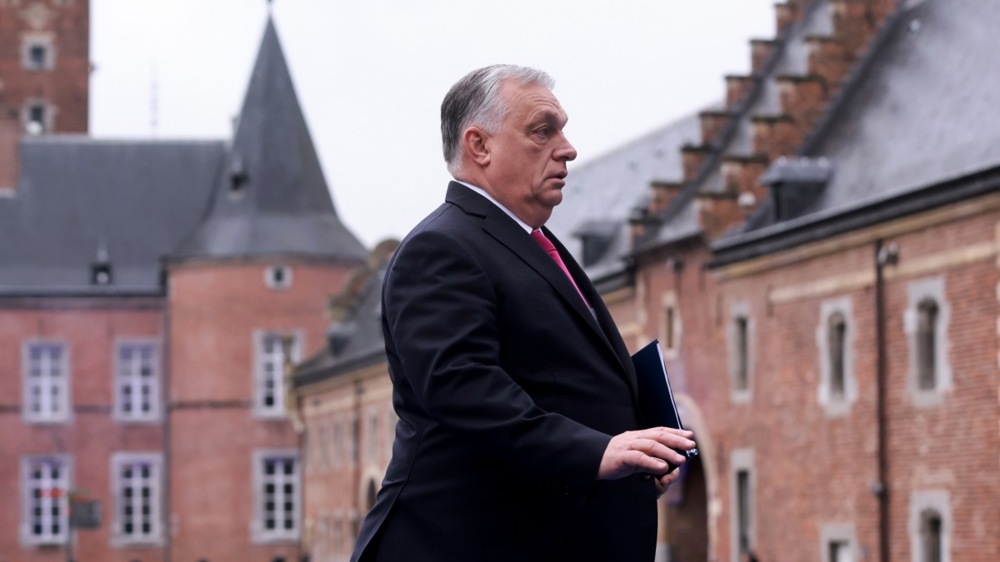
Hungarian Prime Minister Viktor Orbán has stated that Ukraine is ready to resume oil transit through the Druzhba pipeline as early as Monday. According to him, once the oil pipeline resumes operations, Budapest will lift its block on a 90 billion euro loan that the EU plans to provide to Ukraine.
On the surface, it sounds like a compromise. But the details complicate the picture.
What Happened
Oil transit through Druzhba stopped after Ukraine added the Russian company Lukoil — the main supplier for Hungary and Slovakia — to its sanctions list. Kyiv justified this by saying that Lukoil's revenues finance Russia's military machine. Budapest and Bratislava insisted that without this oil, their refineries would shut down and their populations would face an energy crisis.
Orbán turned this into leverage: Hungary blocked approval of a major EU credit package for Ukraine until Kyiv backed down.
What Kyiv Gets and What It Gives Up
The 90 billion euros is not a grant but a loan secured by frozen Russian assets. For Ukraine in wartime, this is a critical resource: without it, the budget deficit becomes unmanageable even in the short term.
In return, resuming Lukoil transit means that Ukraine is essentially softening its own sanctions against a company that, according to the Kyiv School of Economics, transfers tens of billions of rubles to the Russian budget annually in taxes.
This is not a technical solution — it is a political one. And that is precisely why it hurts.
Orbán as the Architect of Pressure
Hungary systematically uses its right of veto in the EU as a tool for bilateral negotiations with Brussels and Kyiv. This time, the scheme is the same: create dependence, offer a solution on its own terms, present the result as "dialogue."
Notably, Orbán announced Ukraine's readiness publicly — before Kyiv officially confirmed the details. This is classic technique: place a partner before a fait accompli in the media space, narrowing room for maneuver.
What's Next
Even if Druzhba resumes operations from Monday, the question of control mechanism remains open: who and how will verify that transit revenues do not end up in structures related to financing the war? The deal, judging by public statements, was concluded without a clear answer to this question.
If Kyiv agreed to resume transit without an audit mechanism for Lukoil — will this precedent become an argument for the next Hungarian veto the next time Orbán needs a concession?



