Orban lost — and €90 billion for Ukraine could be unblocked within "days"
Peter Maggaro's party secured 53.6% of the vote in the April 12 elections. Berlin and Brussels had prepared for this scenario in advance — the technical work has already been completed.

By Tetiana Suchkova-Ladik
April 13, 2026 · 2 min read
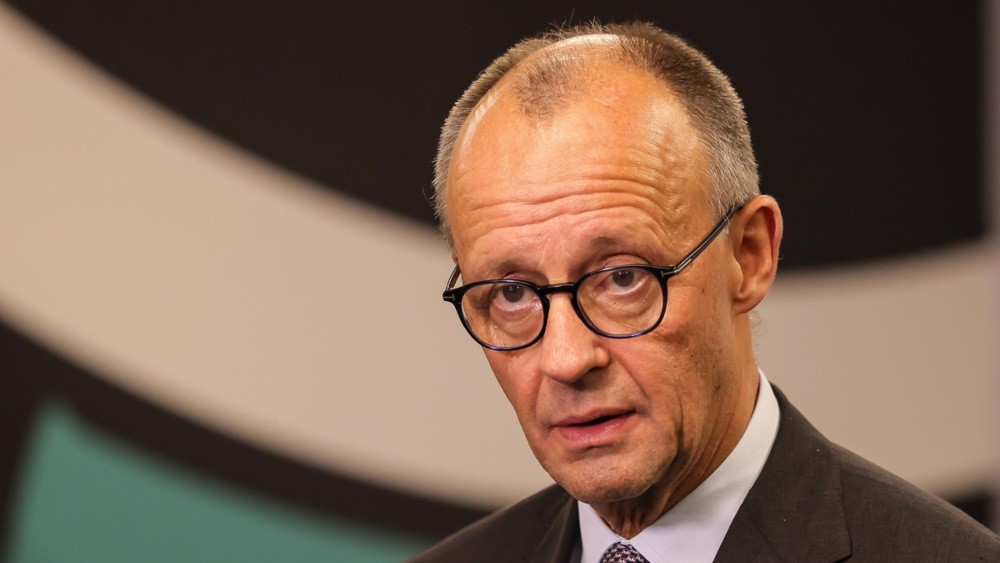
On April 12, 2026, Viktor Orbán acknowledged defeat in parliamentary elections after 16 years in power. Péter Magyars Tisza Party won 138 seats in the 199-seat parliament — and with this, the blockade is lifted that had kept frozen EU financial aid to Ukraine at €90 billion.
What is this package and why hasn't it arrived yet
This is about an EU loan for 2026–2027: €30 billion — budget support, €60 billion — for weapons purchases and strengthening Ukraine's defense capabilities. The European Parliament approved the package in February, the EU Council agreed on the legal framework — but Hungary blocked the final decision of the Council. Without it, the European Commission could not proceed with the first tranche.
Brussels did not wait passively. According to Euronews, the European Commission prepared all technical and legal groundwork even before the elections so that the first payment would go through literally within days after the veto is lifted. On April 1, the Commission published the first of four necessary program documents — the remaining three were to be released within a week.
"We will fulfill our commitment on the €90 billion loan to Ukraine"
Ursula von der Leyen, President of the European Commission
Berlin is already in waiting mode
A German government spokesperson said Berlin expects rapid formation of a new government in Hungary and is already developing mechanisms for prompt unblocking of funds. Aid could move "very quickly" — provided that Magyars takes a constructive position in the EU.
The target for the first tranche is the beginning of the second quarter of 2026. €45 billion is allocated for 2026: €16.7 billion in financial support and €28.3 billion in military aid. Another €45 billion is for 2027.
Magyars: a different course, but not a blank check
Magyars is a former Orbán loyalist who moved into opposition on the wave of anti-corruption protests. He promised to restore Hungary's relations with the EU and NATO. At the same time, as PBS NewsHour notes, it remains unclear whether Tisza will have two-thirds of parliament seats — the constitutional majority needed for deeper reforms and changing the judiciary that Orbán shaped over the years.
- Without two-thirds — Magyars can unblock European integration decisions but cannot rewrite the constitutional architecture
- Some judges and state structures remain Orbán-aligned — influence on foreign policy will exist but will be slower
- The first tranche for Ukraine is technically ready — the question is how much time it will take to form a new Hungarian government
If Magyars forms a coalition government within a few weeks and immediately lifts the veto in the EU Council — Ukraine could receive the first tranche before summer. But if cabinet formation drags on or differences emerge within Tisza over the pace of EU rapprochement, the timeline will shift — and then the question is not "will the money come" but will it come in time to cover Ukraine's budget deficit in the second quarter.



