Orbán asks to suspend sanctions on Russian energy — a challenge to EU unity and a threat to Ukraine's energy stability
In a letter to Ursula von der Leyen, Hungary’s prime minister demands a review of restrictions on energy supplies from Russia. This is not merely internal pre-election tactics — the consequences affect transit, financing and Ukraine’s standing in the EU.

By Tetiana Suchkova-Ladik
March 9, 2026 · 2 min read
In brief
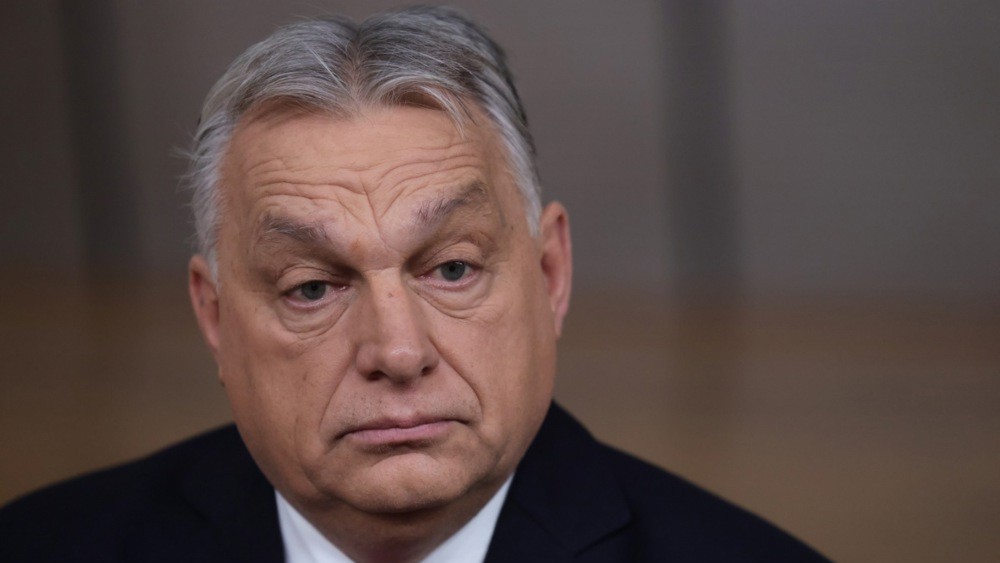
Hungarian Prime Minister Viktor Orbán has appealed to the President of the European Commission to suspend sanctions on Russian energy supplies. The statement was released by the Hungarian Ministry of Foreign Affairs. Against a backdrop of rising prices and pre-election pressure in Budapest, this move could undermine the unity of the EU’s sanctions policy and complicate Ukraine’s position.
What happened and why it matters
Orbán links his move to higher fuel prices following the escalation in the Middle East and the halt of oil transit through Ukraine after the strike on the pipeline "Druzhba". In his statement he even referred to an alleged "oil blockade" by Ukraine — a formulation he uses as an argument to ease European restrictions.
Meanwhile, earlier Budapest blocked a concessional loan for Kyiv of €90 billion and a new sanctions package against Moscow — in response to the lack of resumed supplies. This demonstrates how energy vulnerability turns into a political lever within the EU.
Institutional position and the market
The European Commission’s deputy spokesperson said they will check whether the institution received the relevant letter. There are no official decisions or comments from the Commission yet — but a formal response should be an assessment of the risks to European energy security and to the sanctions architecture.
On the global market, oil prices reacted by rising: factors include both the hostilities in the Middle East and logistical constraints. According to Reuters, some buyers, notably Indian refiners, have already snapped up cargoes of Russian oil that were circulating on the market.
"Ukraine seems to be conducting an 'oil blockade' against Budapest — that's why prices are rising sharply."
— Viktor Orbán, Prime Minister of Hungary
"We will check whether the institution received the letter."
— Deputy spokesperson of the European Commission
What this means for Ukraine
Energy and political vulnerability: the halt of transit through Ukraine strengthens the arguments of an importing country seeking quick solutions — even if those solutions undermine the EU’s common policy. For Ukraine, this means additional pressure in negotiations over financial aid and infrastructure restoration.
Risk of diluting sanctions pressure: if individual member states seek exemptions for domestic stability, this weakens the effectiveness of economic pressure on Russia and gives Moscow political levers of influence.
Conclusion
The decision has a local pre-election context, but the consequences are regional. The European Commission and its partners face a choice: respond swiftly and protect the sanctions architecture, or make compromises that will reduce pressure on Moscow. For Ukraine the question is more practical: will diplomatic statements turn into concrete guarantees of energy and financial support?



