Orikhovo-Vasylivka: Ukrainian Armed Forces refute reports of full Russian control — why it matters
While claims of "complete occupation" circulate online, the military reports a different picture. We examine what is happening on the ground and why accurate information directly affects security and trust.

By Tetiana Suchkova-Ladik
January 26, 2026 · 2 min read
What is known
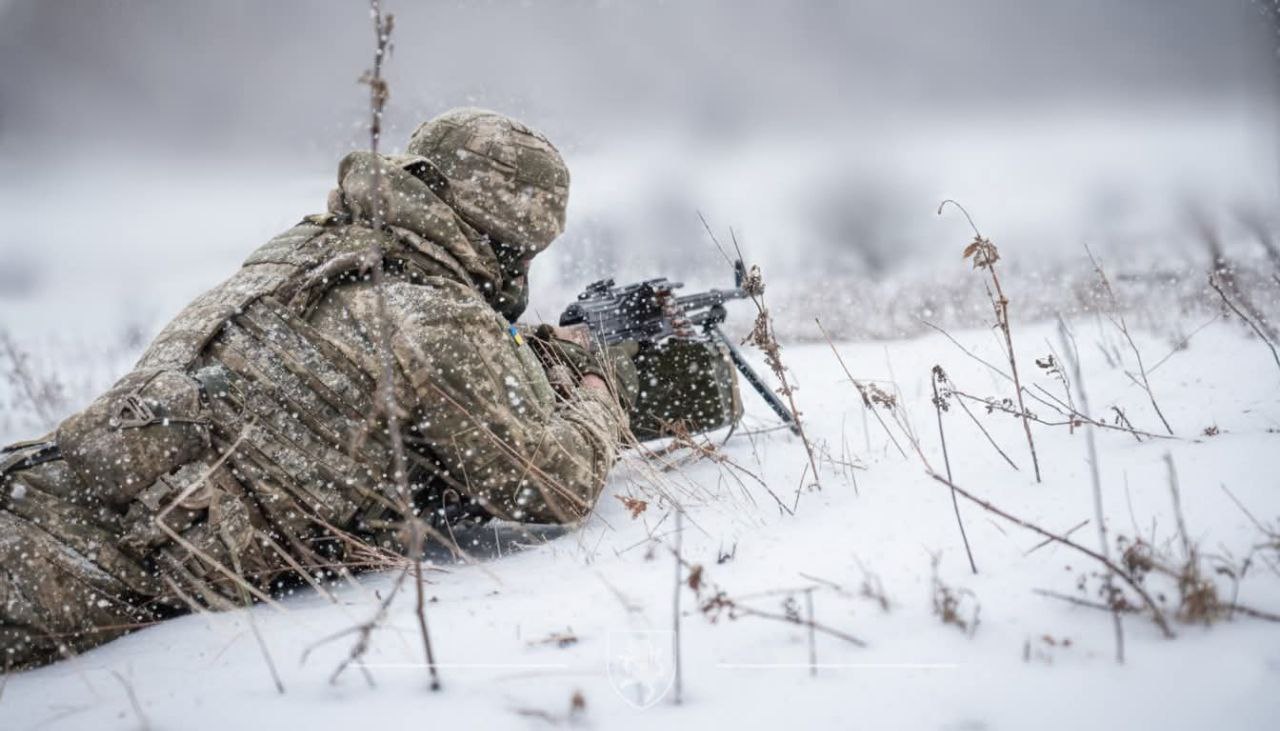
Reports that Orikhovo-Vasylivka in Donetsk region is allegedly under full Russian control are not true. Such messages were spread by Russian sources, but the "East" grouping of forces categorically denied these claims.
"The soldiers of the 30th Separate Mechanized Brigade are repelling enemy attacks and destroying enemy manpower, despite significant pressure from the occupying forces"
— "East" grouping, press service
According to official data, the Armed Forces of Ukraine continue to be present in the area of the settlement and hold their positions. The situation remains difficult and dynamic, but the military calls assertions of full occupation premature and incorrect.
Why these claims appeared
There are several reasons for the spread of such messages: first, the fog of war — the operational situation changes quickly, and unchecked information easily becomes fact on social media. Second, this is an element of the opponent's information operations: such claims aim to demoralize the population, distract attention, or probe the defense's reaction.
Media observers and analysts note a recurring pattern: similar false reports about control of settlements have appeared before — for example, about Minkivka (18 January) and Novoplatonivka (20 January), which the Armed Forces of Ukraine also denied.
What it means for civilians and for the front
Information falsehoods during fighting have real consequences: they affect decision-making, trust in official sources, and the morale of the civilian population. Accurate and timely messages are part of security — both on the battlefield and in the rear.
Recommendations: how to spot and not spread a fake
Follow a simple algorithm: check official channels (General Staff, brigade press services), pay attention to sources and publication times, and apply critical judgment to exclusive claims without confirmations. Journalists and information resource administrators are urged to use only verified reports.
Conclusion
The situation in the Orikhovo-Vasylivka area remains tense, but current claims of "full occupation" are unconfirmed. This is a reminder: the information front carries as much weight as combat operations. While the confrontation continues, it is important not to fall for manipulations and to rely on verified sources — security and public trust depend on it.



