Tuesday, May 26, 2026
Today's Edition

EveryNews

Stories that matter, signal over noise

Politics

Moldovan Parliament Denounces Agreement with Russia and Will Close the "Russian House" in Chișinău

The Moldovan Parliament denounced the agreement with the Russian Federation on cultural centers — the decision on 27 November was supported by 57 deputies; citing airspace violations and the risk of disinformation, the "Russian House" will be closed.

Oleg Bazylewicz

By Oleg Bazylewicz

November 27, 2025 · 1 min read
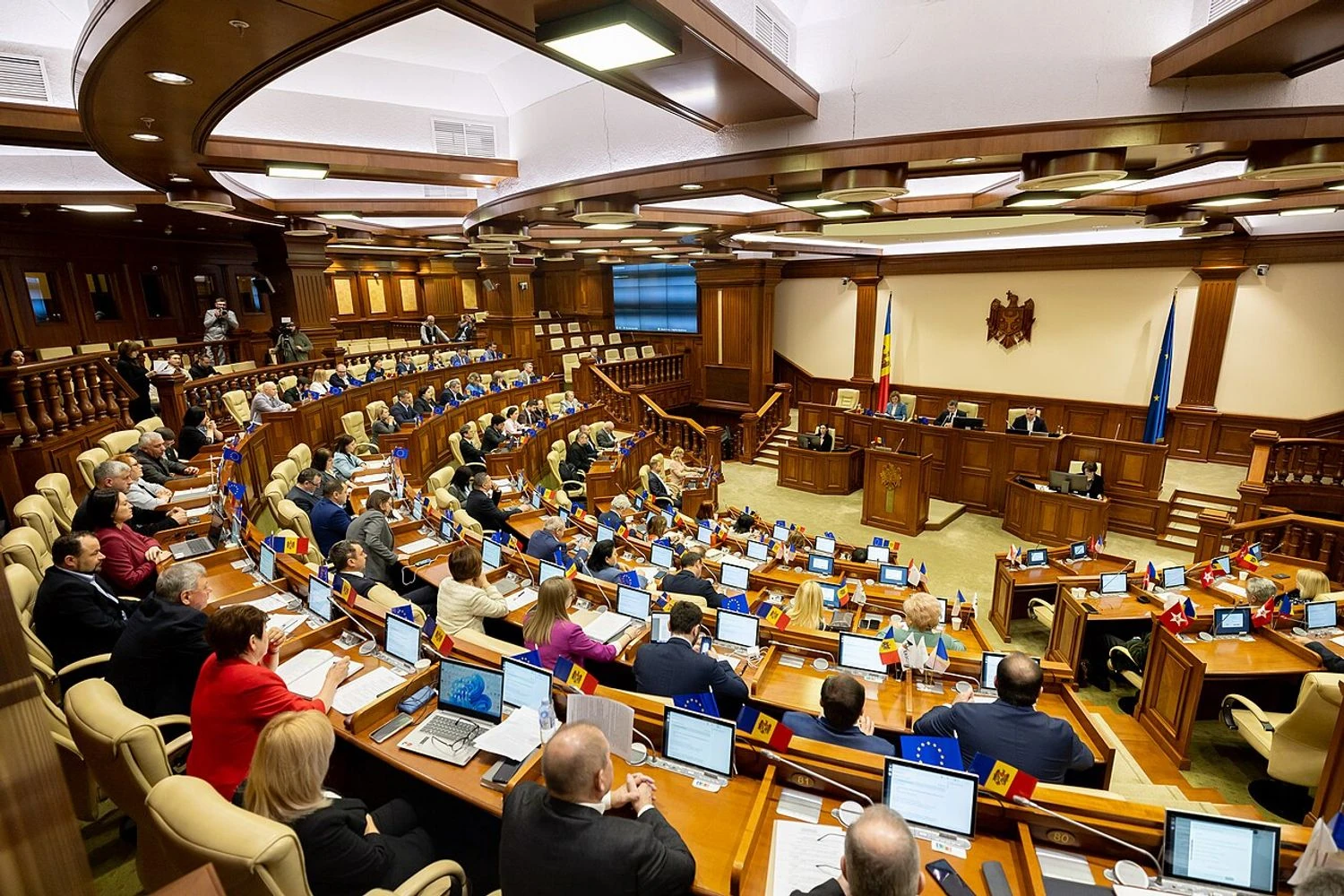
Moldovan Parliament Denounces Agreement with Russia and Will Close the "Russian House" in Chișinău

Parliament decision

On 27 November Moldova's parliament voted in the second reading to denounce the agreement with Russia on the creation and operation of cultural centres. Fifty-seven deputies voted for the bill. The "Russian House" in Chișinău will be closed.

Reasons and reaction

The Ministry of Foreign Affairs drafted the proposal after Russian drones violated Moldova's airspace in February 2025. The MFA handed a note of protest to the Russian ambassador; a Russian drone was brought to the ministry building.

Supporters of the denunciation point out that the centre is subordinate to the Russian embassy and funded by "Rossotrudnichestvo", which is under international sanctions.

In the EU "Rossotrudnichestvo" is described as the main state body projecting the Kremlin's soft power and its hybrid influence, including the promotion of the so‑called "Russian world" concept

History of the agreement

The agreement between Moldova and Russia was signed in 1998. Under it, a Russian cultural centre was opened in Chișinău in 2009. The initiative's authors stress that, in current conditions, the treaty can be used to spread distorted narratives and pose a threat to Moldova's information security.


Related

Latest

Business

EU Against Google: Why the Latest Fine Could Change More Than Previous Ones

# European Regulators Target Google Again — This Time Over Digital Markets Act Violations. What's Behind the Accusations and Why It Matters Beyond the Corporation European regulators have renewed their scrutiny of Google, this time focusing on alleged violations of the Digital Markets Act. The charges underscore Brussels' increasingly aggressive stance on big tech monopolies and what officials say are anticompetitive practices. The accusations center on how Google leverages its dominance across multiple digital services — from search to advertising to mobile platforms — to disadvantage competitors. Regulators claim the company is using its market power in ways that stifle innovation and limit consumer choice. The case carries significance far beyond Google itself. It signals how the EU is attempting to enforce its landmark Digital Markets Act, legislation designed to curb the gatekeeping power of tech giants. A potential penalty could set precedent for how other large technology companies face similar scrutiny. For consumers and smaller tech firms, the outcome could reshape the digital landscape by creating more room for competition. For Google, fines and operational restrictions could fundamentally alter its business model in Europe, the world's most stringent regulatory market. The case also reflects a broader geopolitical divide, with the EU pursuing a regulatory approach that contrasts sharply with the lighter-touch oversight favored in the United States.

May 26, 2026

