Pavel reacted to Okamura’s remarks about a “junta”: what it means for the Czech Republic’s cooperation with Ukraine
Czech President Petr Pavel pledged to discuss with the government the New Year’s address by Speaker Tomio Okamura, who cast doubt on support for Ukraine. We examine why the words of a single official can complicate trust among allies and affect coordination of security policy.

By Tetiana Suchkova-Ladik
January 3, 2026 · 2 min read
What happened
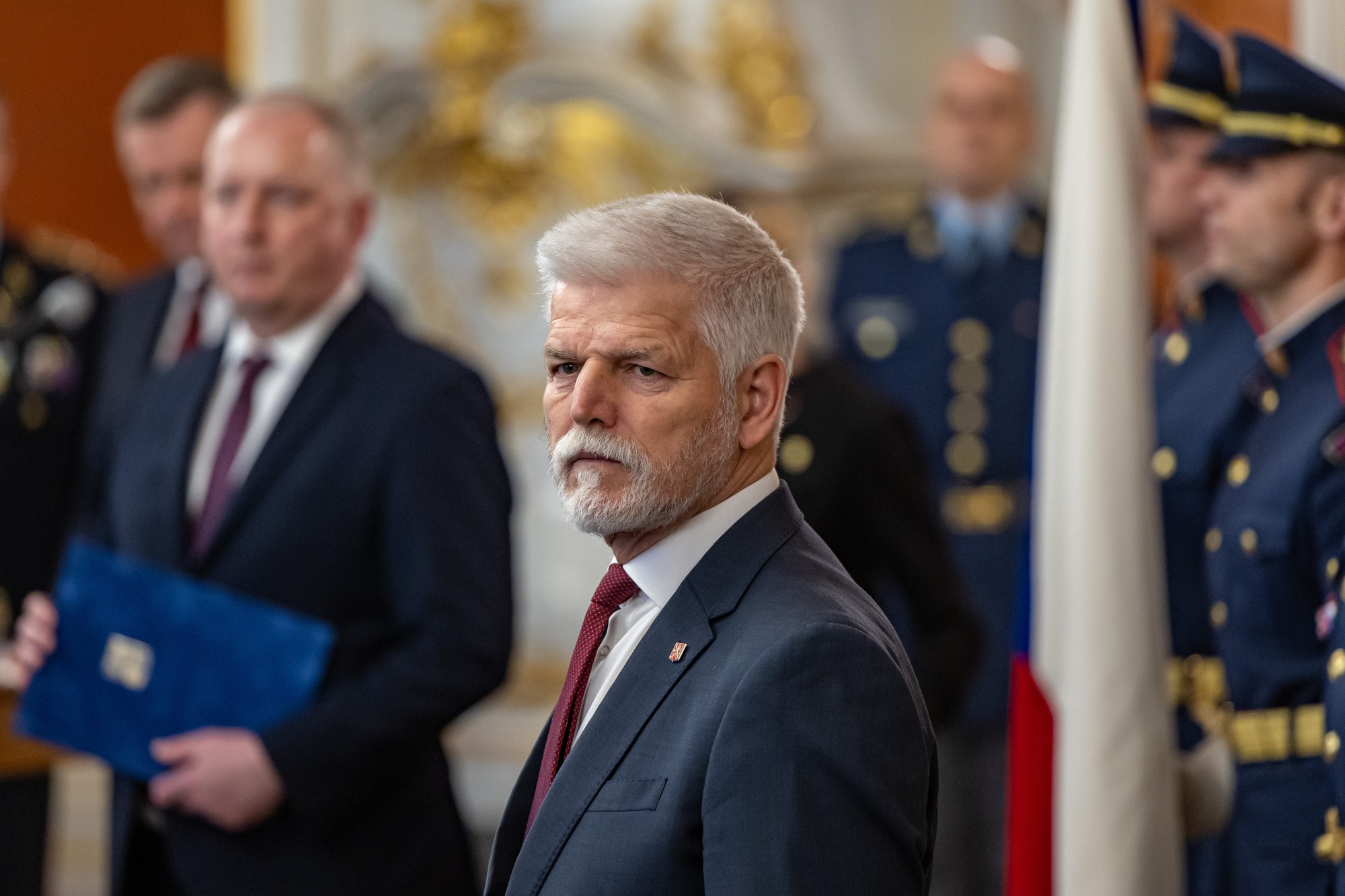
The President of the Czech Republic, Petr Pavel, in a post on X promised to discuss with government officials the New Year’s speech by the Speaker of the Chamber of Deputies, Tomio Okamura, in which he called the entourage of President Volodymyr Zelensky “a junta” and described the Russia–Ukraine war as “absolutely senseless,” asserting that the Czech Republic should not send weapons to Ukraine. Pavel called such statements alarming for the citizens of the Czech Republic and international partners.
Reaction of official institutions
“Coordination of foreign and security policy is the basis of our trust as a partner”
— Petr Pavel, President of the Czech Republic
Pavel promised to raise the topic at the next meeting with Prime Minister Andrej Babiš and other officials of the coalition government. In response to Okamura’s speech, Ukraine’s ambassador to the Czech Republic, Zvarych, called it “offensive” and noted that, in his view, it was shaped under the influence of Russian propaganda.
“Offensive and hate-filled statements about Ukraine and Ukrainians are his personal position, formed under the influence of Russian propaganda”
— Ukraine’s ambassador to the Czech Republic, Zvarych
Why this matters
In the calculus of high diplomacy, it is not the loudest words that determine relations, but trust between institutions. This is not only about the rhetoric of one politician: such statements can complicate coordination of supplies, public support in Prague, and the coalition’s position on security decisions. Central European analysts point out that similar messages undermine consensus within NATO and the EU where it is most needed.
What’s next
The question now is how the government will react: whether it will distance itself from the speaker’s rhetoric or give it political cover. The answer will determine how quickly Prague can reaffirm its role as a reliable partner on security matters. For Ukrainian readers this is a signal: even in friendly capitals positions can vary, so not only diplomacy at the leadership level matters, but also systematic work to preserve trust and deliveries that have a direct impact on security at the front.
Brief conclusion
Okamura’s words provoked a reaction from the president — this is more than an internal political scandal. The question of coordinating foreign and security policy between the Czech Republic and its allies now remains on the agenda. Whether the statements turn into concrete political decisions depends on the next steps of the government in Prague.



