Pentagon Readies 'Final Strike' on Iran: Four Scenarios and What It Means for Ukraine
Axios reports that the Pentagon is weighing options ranging from a blockade of islands in the Strait of Hormuz to large-scale airstrikes. Why this matters for Ukraine — from energy prices to the reallocation of military resources.

By Tetiana Suchkova-Ladik
March 26, 2026 · 3 min read
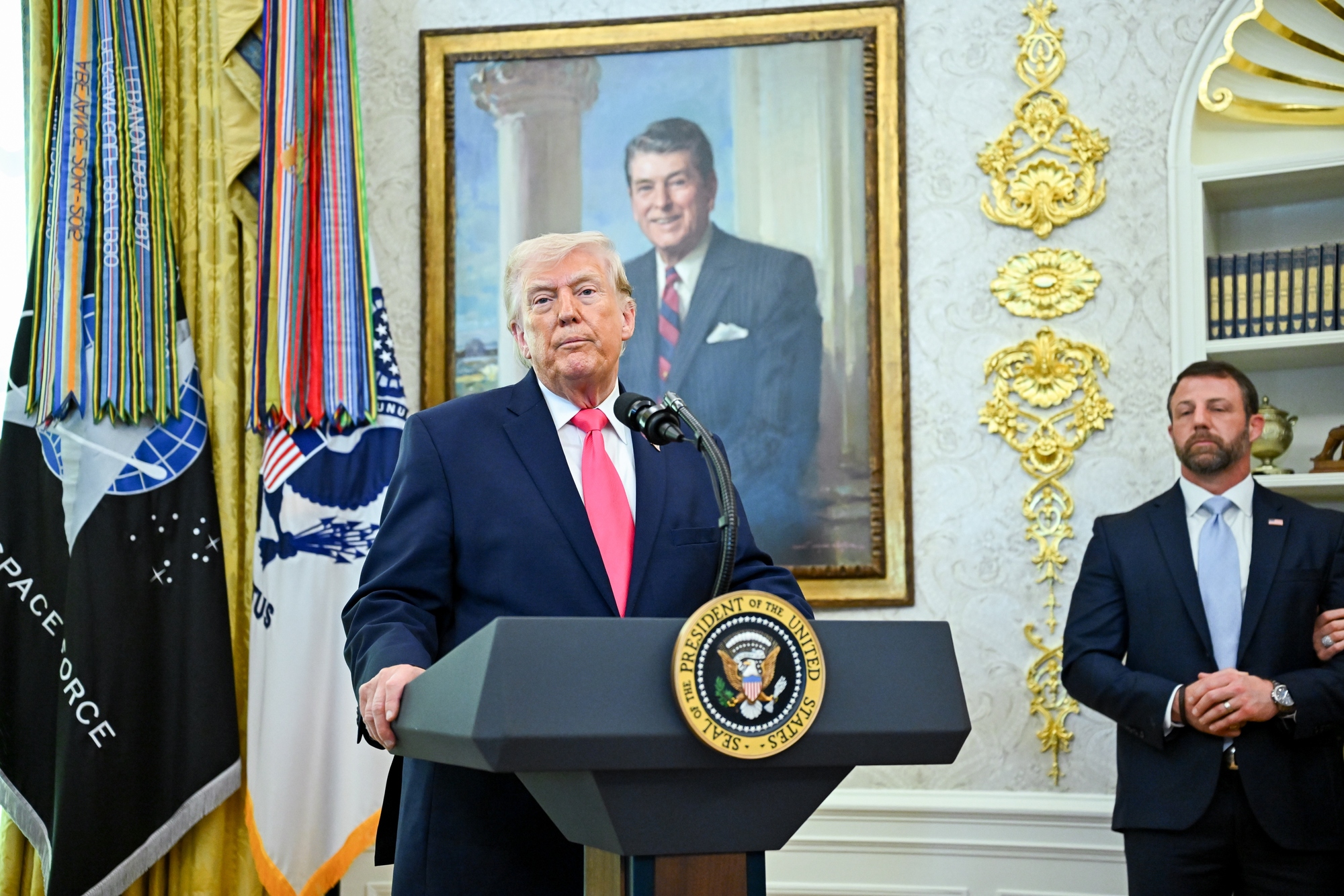
In high diplomacy, it's not loud declarations but quiet options that matter — the Pentagon is already planning several escalation options
According to Axios, citing U.S. officials, the Pentagon is developing scenarios for a so‑called "final strike" against Iran. These options range from localized operations in the Strait of Hormuz to large air strikes or even ground raids on nuclear facilities. No decision to use force has been made — but the very fact that preparations are underway has consequences for global security and for Ukraine's interests.
Which scenarios were mentioned
Seizure or blockade of Kharg Island — a hub for Iran's oil exports, a strike on which could cut energy flows.
Operation on Larak Island — a strategic control point of the Strait of Hormuz with bunkers, boats and radars.
Seizure of Abu Musa and neighboring islands — territories also claimed by the UAE; their loss would complicate control of the western entrance to the strait.
Blockade or interception of tankers in the eastern part of the strait — a method to pressure Iran's oil exports without a large ground invasion.
Why these plans have emerged now
The decision to prepare options has several logical explanations. First, the Strait of Hormuz is a key marker for the security of energy flows: its closure would immediately affect markets and the political weight of the U.S. Second, some U.S. officials view a show of force as a way to strengthen their negotiating position, or as a tool of domestic administration politics.
"We are working through various hypothetical options; any ground operations at present are hypothetical"
— a White House official, quoted by Axios
"If negotiations do not produce results, strikes may be harsher than before"
— Caroline Leavitt, White House spokeswoman
What risks and why this matters for Ukraine
Energy markets. Any escalation in the Strait of Hormuz could raise global oil and gas prices — this will affect allies' expenditures, mechanisms for financial assistance and overall economic stability.
Resource diversion. Redirecting U.S. military reinforcements to the Middle East could temporarily reduce operational freedom in other theaters, including near Europe. For Ukraine, this means the need to step up diplomatic efforts with partners to avoid a weakening of support.
Diplomatic effect. Massive strikes or blockades change the negotiation landscape: they can hasten decisions or, conversely, prolong the conflict. As LIGA.net has already analyzed, possible scenarios range from an agreement to extended escalation — each carries its own consequences for Kyiv.
Propaganda and geopolitical consequences. Escalation in the Middle East creates openings for actors seeking to weaken the unity of Western partners or to divert attention from Russian aggression. It is important for Ukraine not to allow coalition support to be destabilized.
What next: scenarios for decisions and responses
The chance that plans will turn into action depends on three key factors: the results of negotiations between the U.S. and Iran, the operational situation in the Strait of Hormuz, and domestic politics in the U.S. If diplomacy moves forward — a de‑escalatory option is most likely; if not — readiness for tougher measures increases.
Practical steps for Ukraine are clear: keep channels of communication open with key partners, adjust risk assessments for energy security, and prepare for scenarios in which international attention is dispersed. It is also important to remind partners that stability in Europe and the Middle East are interconnected.
Conclusion
Preparing a "final strike" is not the same as executing it, but the existence of such plans shifts the balance of decisions. Ukraine should monitor not only whether strikes will occur, but how these plans will affect markets, allies' access to resources, and diplomatic dynamics. Whether a show of force can be turned into a stabilizing factor depends on the negotiations and the international community's ability to coordinate a response without reckless risks.



