Talks March 16–22: U.S. Asked to Postpone — Switzerland or Turkey on the Agenda
Your diplomatic stakes: the United States has requested moving the round of peace talks to March 16–22; the final date will depend on the situation in the Middle East. We examine what this changes for Ukraine’s position.

By Tetiana Suchkova-Ladik
March 10, 2026 · 2 min read
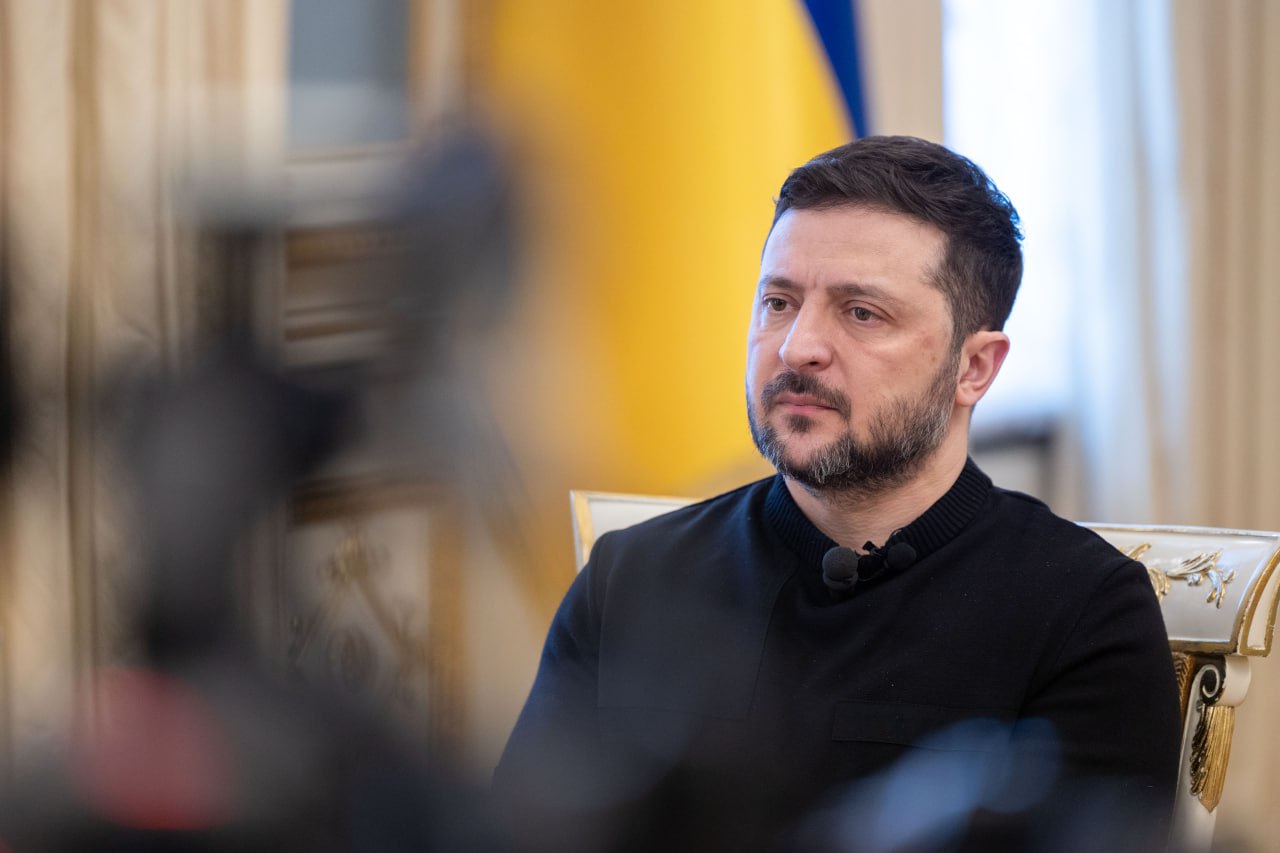
In high-level diplomacy, quiet agreements matter more than loud statements
According to President Volodymyr Zelenskyy, the next round of talks involving Ukraine, Russia and the United States is planned to take place from March 16 to 22 — but the exact date will later be determined "in accordance with the situation in the Middle East." The meeting was previously scheduled for March 10–11, but it was postponed at the request of the American side.
Why the date was postponed
The official reason is foreign-policy turbulence in the region. For Washington, coordinating a response to new challenges in the Middle East is now important, and diplomatic formats involving multiple states require stable conditions without additional security and logistical risks. This is not just a technical pause — it is an attempt to preserve the negotiation process at a time when a dispersion of attention could reduce the chances of success.
Meeting location: Switzerland or Turkey
The President named Switzerland or Turkey as possible locations, hinting at doubts regarding the UAE. Each option has its advantages: neutral Switzerland signals impartiality and international guarantees; Turkey is a regional participant with established channels of communication between the parties.
"Where could the meeting be? In Switzerland or in Turkey, I doubt it will be in the Emirates."
— Volodymyr Zelenskyy, President of Ukraine
What they'll discuss
According to the President, the agenda remains the same: priority topics are the continuation of exchanges and the organization of a leaders-level meeting. For Ukraine it is critical that key agreements include verification mechanisms and guarantees of implementation.
"Because on matters relating to territory in particular, I don't see that there will be a result without the involvement of leaders."
— Volodymyr Zelenskyy, President of Ukraine
Context — the U.S. position
Public statements by the U.S. president in early March about a desire to end the war and calls to reach agreements are putting additional pressure on the process. It is a signal that Washington is willing to push for talks, but also expects specifics and results.
What this means for Ukraine
Postponing the date is both a risk and an opportunity. On one hand, the delay gives more time to prepare Ukraine's position and to coordinate control mechanisms. On the other hand, it postpones the resolution of key humanitarian and security issues. Analysts and diplomatic circles emphasize: it is important not merely to "hold talks", but to obtain guarantees that will protect sovereignty and people's lives.
Conclusion
Now the move is with the partners: the postponement underscores that international diplomacy is responding to global challenges, but it will be the substance — not the calendar — that determines whether this round turns into real progress for Ukraine. Whether the additional time can be used to strengthen Ukraine's position is an open question on the agenda of our foreign policy.



