"Ceasefire Without a Winner: USA, Iran and UAE Simultaneously Declare 'Victory' — and They're All Right in Their Own Way"
A two-week ceasefire between the United States and Iran halted attacks and temporarily reopened the Strait of Hormuz—but neither side obtained what it declared as its war objective. The phenomenon of "mutual victory" reveals the logic of the conflict better than any official statement.

By Tetiana Suchkova-Ladik
April 8, 2026 · 3 min read
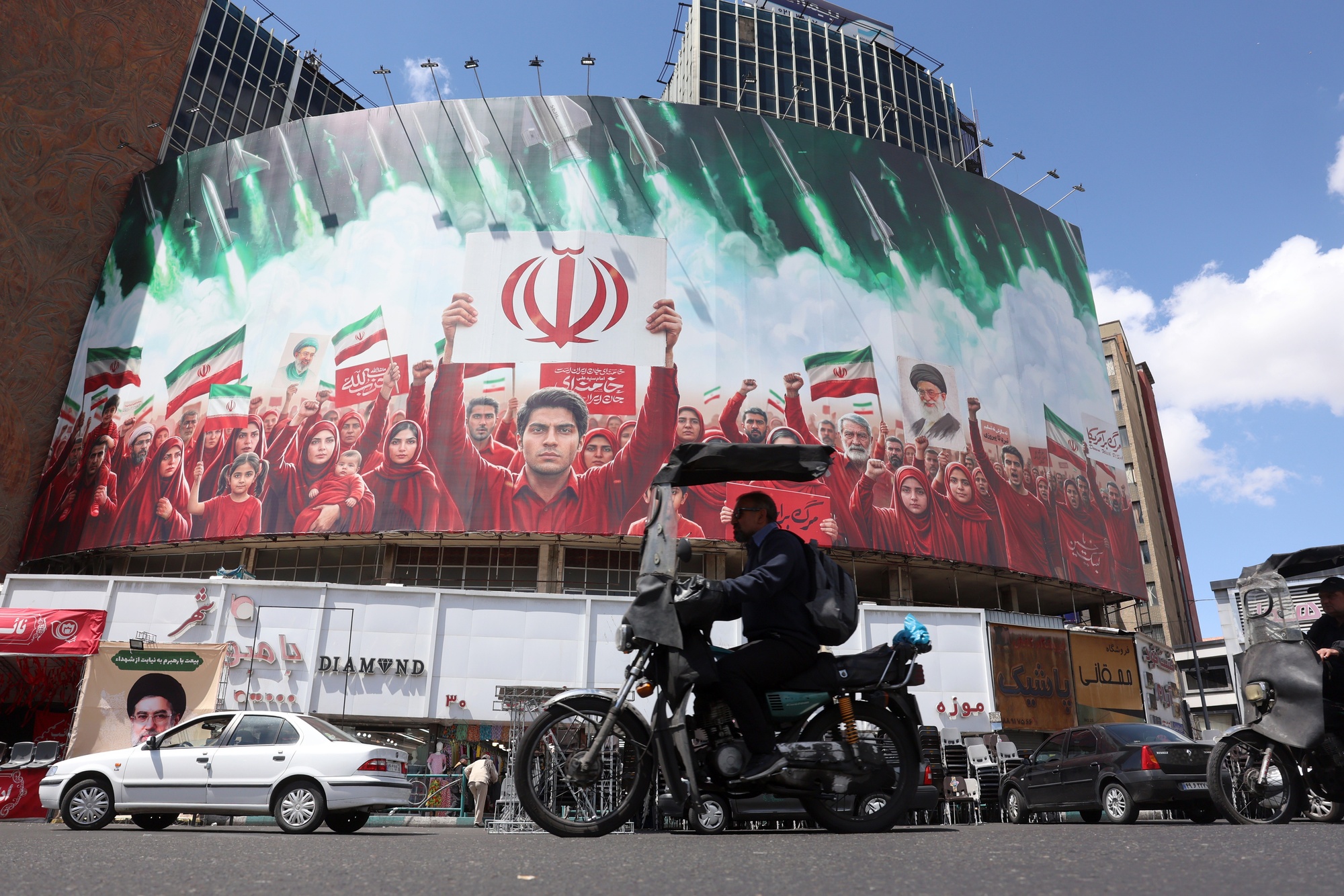
Tuesday, April 7, 2026. One hour before the deadline set by Donald Trump, the USA and Iran announced a two-week ceasefire. Within hours, all three parties simultaneously declared "victory" — Washington, Tehran, and Abu Dhabi. This is not a journalistic metaphor: this is literally what was written in official accounts.
What Actually Happened
White House Press Secretary Carolyn Levitt announced a US victory. Iran's Supreme National Security Council, according to Reuters and CBC News, made a mirror statement. UAE President's diplomatic advisor Anwar Gargash wrote on X that "the UAE emerged victorious in a war it sincerely tried to avoid" — not a combatant party, but a country that was struck by Iran in retaliation.
Technically, the ceasefire looks like this: Iran temporarily allows vessels to pass through the Strait of Hormuz with coordination from its armed forces, the USA stops strikes for two weeks. According to Al Jazeera, negotiations are proceeding in parallel based on Iran's ten-point peace plan — Trump called it an "acceptable basis for negotiations," although he had rejected it as "insufficient" just the day before.
Hormuz: 20% of Global Energy as Hostage
The blockade of the strait became the most tangible consequence of the conflict — approximately 20% of global oil and gas supplies pass through it. Following the ceasefire announcement, international oil prices fell by 13%, and S&P 500 futures showed growth of over 2% — markets reacted faster than diplomats.
"We have a 15-point agreement, most of which is already agreed upon. We'll see if it reaches completion."
Donald Trump after the ceasefire announcement
This caution is eloquent: officially — a victory, unofficially — a framework agreement without guarantees.
Why Everyone "Won": The Logic of Three Different Wars
Simultaneous declarations of victory are neither absurd nor propaganda in a vacuum. Each party conducted its own war with its own objectives:
- The USA sought to open the Strait of Hormuz and stop the nuclear program — the strait is open, negotiations continue. From Washington's perspective, the deadline worked.
- Iran sought to survive as a regime and not sign a capitulation — no occupation or change of power occurred. Tehran itself initiated the ten-point plan and retained its negotiating position.
- The UAE were not a party to the conflict, but suffered strikes. According to Gargash, the country "upheld sovereignty and dignity" — and now, by his own words, enters the regional game "with greater influence and clearer positions."
Pakistan, which acted as a mediator in negotiations in Islamabad, is absent from the list of "victors" — despite the fact that Prime Minister Shehbaz Sharif's proposal for a two-week ceasefire became the basis for the agreement, according to CBS News.
What's Next
UN Secretary-General António Guterres called for "paving the way to lasting peace." British Prime Minister Keir Starmer announced an immediate visit to the Persian Gulf. In Manama (Bahrain), explosions occurred shortly after the ceasefire announcement — authorities blamed "Iranian aggression." Lebanon is not included in the ceasefire framework: Netanyahu directly confirmed that combat operations there continue.
The Iranian plan provides for lifting sanctions and reconstruction — in other words, what the USA and Iran could not agree on even during two weeks of negotiations in 2015, when there was no fighting at all. If these issues are not resolved in 14 days, the strait will close again — and the three "victors" will find themselves back where they started.



