Overhaul of the State Border Guard Service: Zelensky instructed Klymenko to find a replacement — Deyneko will remain at the Interior Ministry
The president asked the interior minister to present candidates for a new head of the State Border Guard Service (ДПСУ). This is not just a personnel move — it is about adapting the State Border Guard Service to wartime conditions and strengthening control along the borders with the Russian Federation and Belarus.

By Tetiana Suchkova-Ladik
January 2, 2026 · 2 min read
What happened
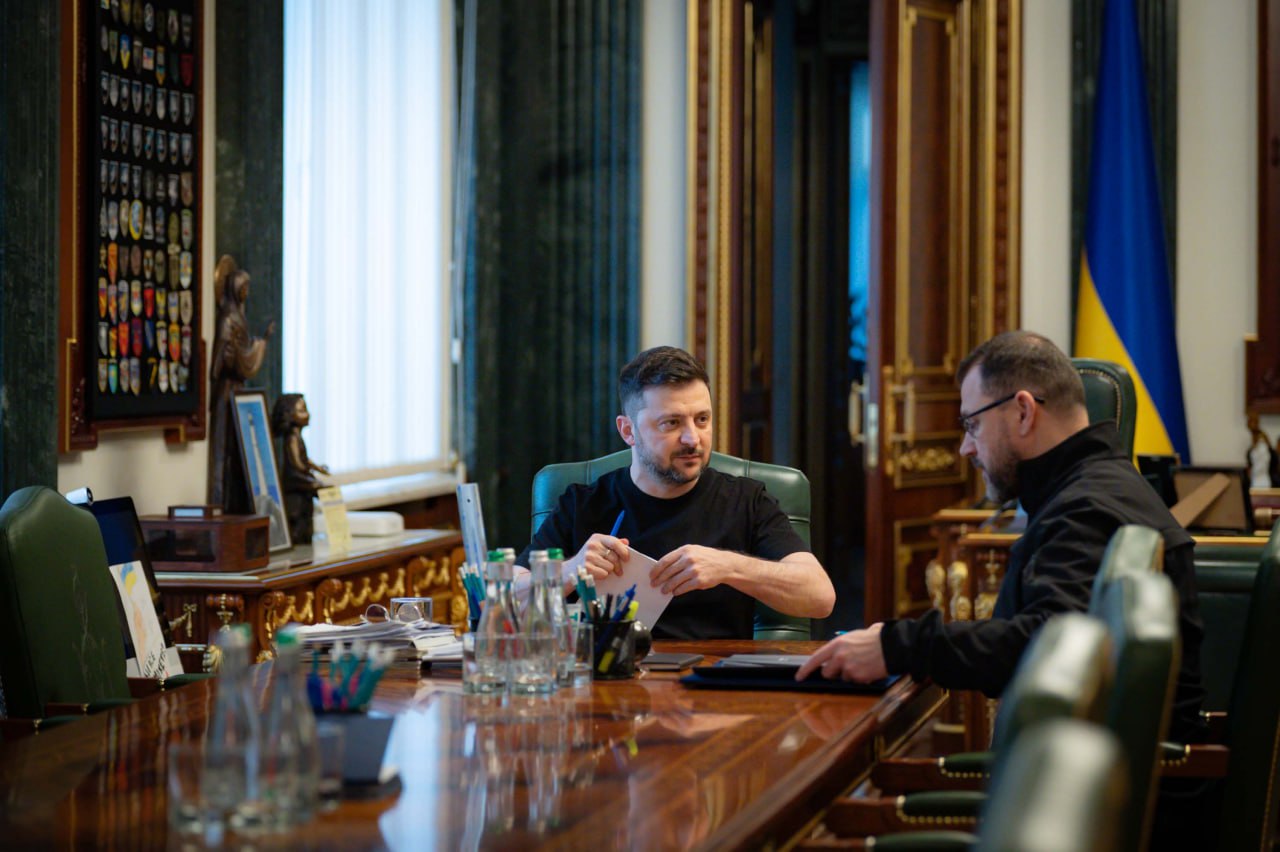
President Volodymyr Zelensky instructed Interior Minister Ihor Klymenko to present candidates to replace the head of the State Border Guard Service — Serhiy Deineko. At the same time, Deineko is not leaving the system: he has been offered to continue working within the structure of the Interior Ministry.
Why it matters
Over more than six years leading the SBGS, Serhiy Deineko has guided the service through several stages of reform and capacity-building. But now the discussion is about a change of approaches — adapting the border guards’ work to the prolonged challenges of war, strengthening control on the eastern and northern frontiers, and integrating with other elements of the defense system.
"The SBGS has gone a long way in development and strengthening. Now border guard units, together with all other components of the defense and security forces, are fighting for our state on the front lines. Sections of Ukraine’s border with Belarus and Russia have also been significantly reinforced."
— Volodymyr Zelensky, President of Ukraine
Procedure and personnel context
Officially, the initiative — a directive to the president from the minister — means that the Ministry of Internal Affairs will soon present several candidates. This allows for selecting a person with the necessary combination of operational experience, logistics knowledge, and the ability to work in close coordination with intelligence and defense.
The personnel reshuffle is taking place against the backdrop of other changes in the defense bloc: on January 2 the president proposed Kyrylo Budanov to head the President’s Office (he agreed), and Oleg Ivashchenko is planned to lead the replacement at the Main Intelligence Directorate (GUR). Some decisions still require completion of procedures and approvals.
What will change in practice
The transfer of the SBGS chief within the Interior Ministry and the search for a new leader is a signal of a desire for operational renewal and increased efficiency. For citizens, this means strengthened border control in high-risk areas and better coordination of services during defensive operations.
Analysts note that such steps are part of the broader logic of adapting state institutions to a protracted war: less about emotional dismissals and more about systemic reshuffles to reinforce frontline and rear functions.
Conclusion
This decision combines an element of personnel rotation with the retention of professional resources within the Interior Ministry. The next stage is who exactly will be proposed as head of the SBGS and how quickly those proposals will turn into concrete appointments. For now, the main question is: will the new management configuration strengthen the border service’s ability to protect the borders in the current realities?



