Perm Burns for the Second Time in Eight Days: What is "Lukoil-Permnefteorgsinhtez" and Why It's More Important Than Most Targets in Russia's Rear
SBU drones have struck one of Russia's largest oil refineries for the second time — a facility that processes 13 million tons of oil annually and supplies fuel to the Russian military. This is no random target 1,500 kilometers from Ukraine.

By Tetiana Suchkova-Ladik
May 7, 2026 · 3 min read
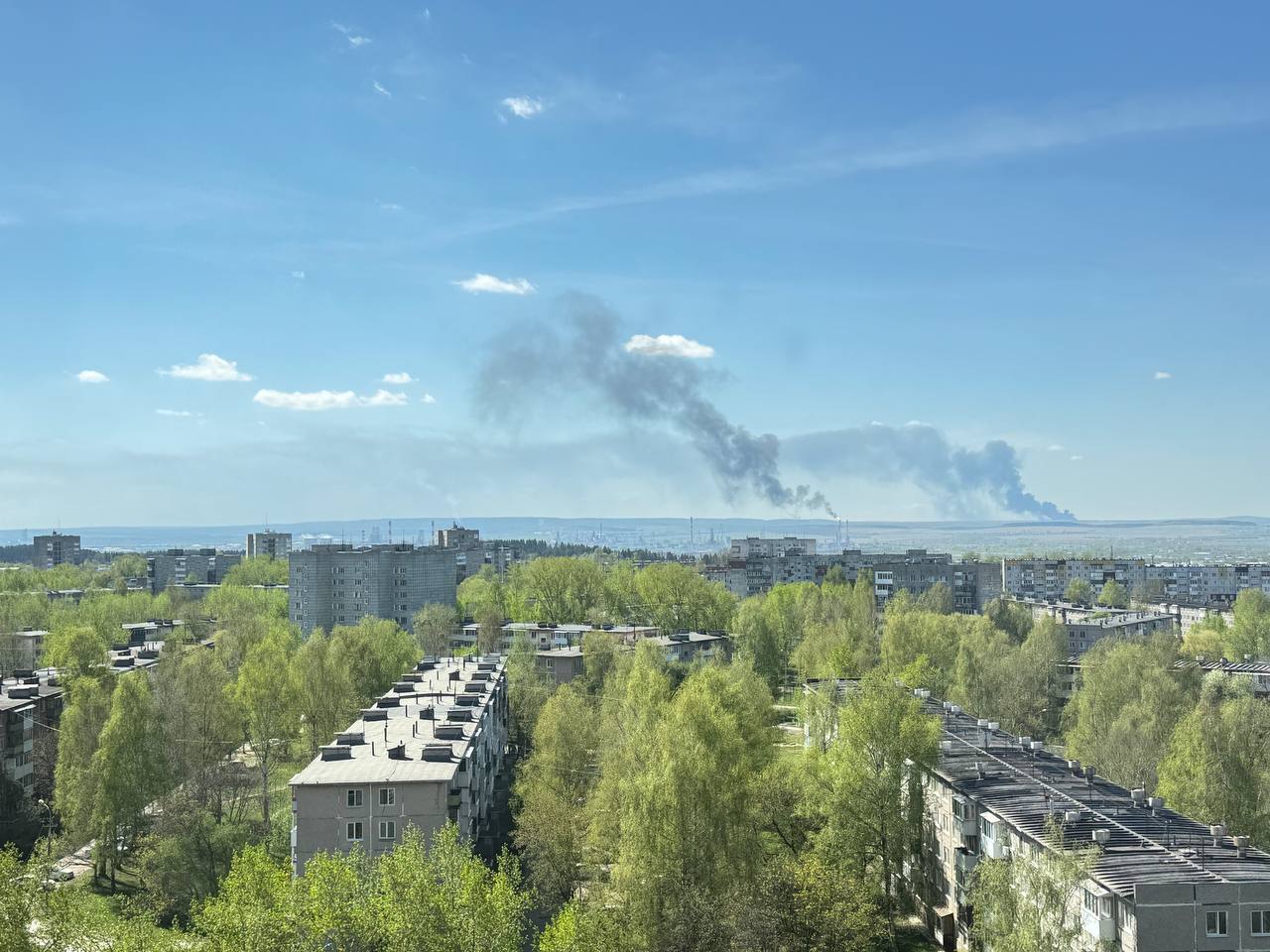
On May 7, explosions were heard again in Perm. Governor of Perm Krai Dmitry Makhonin confirmed a drone strike on "one of industrial enterprises" — the second attack on the same facility in eight days. According to OSINT data from the Telegram channel ASTRA, the target is the same: "Lukoil-Permnefteoргsintez" — a plant that ranks among Russia's top five oil refineries.
What exactly is burning and why this is not "another warehouse"
The plant's capacity is approximately 13 million tons of oil per year. For comparison: this is more than Poland's annual oil product consumption. The enterprise supplies fuel to both the civilian market of the Urals and, according to the SBU, the needs of the Russian army.
During the April 30 attack, a "Lyutiy" drone struck a vacuum column of the AVT-4 unit — a key node in primary oil refining. As confirmed by the OSINT channel CyberBoroshno, the fire spread to the atmospheric rectification column. Damage to both columns effectively puts the unit out of operation. At the same time, the Perm linear production dispatch station was attacked again, through which crude oil enters the plant — meaning the strike targeted the entire supply chain, not just a single point.
Chemical alert that authorities called "drills"
After the April 30 attack, residents of at least one Perm district heard a chemical hazard signal through public address systems ordering them not to go outside, to close windows and ventilation, and to drink only boiled water. Governor Makhonin denied any release of hazardous substances.
"They told us not to go outside, to close all windows and ventilation, and to drink only boiled water"
— a local Perm resident in a comment to Ostorozhno Media
The official version: the signal was planned drills that coincidentally coincided with the drone strike on the industrial facility.
1,500 km — and this is principled
Perm is located in the Urals — over 1,500 kilometers from the Ukrainian border. This is farther than most targets mentioned in reports. The SBU directly pointed to the strategic message of the operation:
"The enemy must understand one simple thing: they no longer have a safe rear. Distance no longer guarantees protection"
— Security Service of Ukraine, official statement following the April 30 strike
Reuters previously documented that Ukraine is systematically increasing strikes on Russian energy infrastructure, reducing export capacity and complicating Moscow's ability to use oil revenues to finance the war. According to the Kyiv Independent, monopoly "Transneft," which controls over 80% of Russian crude oil transportation, has already warned producers about possible production cuts due to a series of drone attacks.
Repeated strike — tactic, not coincidence
Two strikes on the same facility in eight days — not a navigation error. The first strike on April 29–30 stopped the AVT-4 unit and damaged pipeline infrastructure. The repeated attack on May 7, when the plant had not yet resumed operations, is either an attempt to cement the unit's shutdown or reconnaissance by fire: to check what exactly was restored in a week and where vulnerabilities remain.
After both attacks, Makhonin reported: no casualties, the "drone threat" regime continues, the operational headquarters is working. What the plant is actually producing at this time — is not specified.
If the AVT-4 unit is indeed out of operation for an extended period, the question is not whether the Urals region will feel it — but when the Russian army encounters a specific fuel shortage in specific front-line sectors and whether this will be noticeable before Moscow finds a logistics alternative.



