First stage of the prisoner exchange: 200 defenders returned from Russian captivity — what it means
Two hundred of our service members have returned home under the agreements reached in Geneva. We explain who returned, how the exchange was carried out, and what the consequences are for further negotiations.

By Tetiana Suchkova-Ladik
March 5, 2026 · 2 min read
What happened
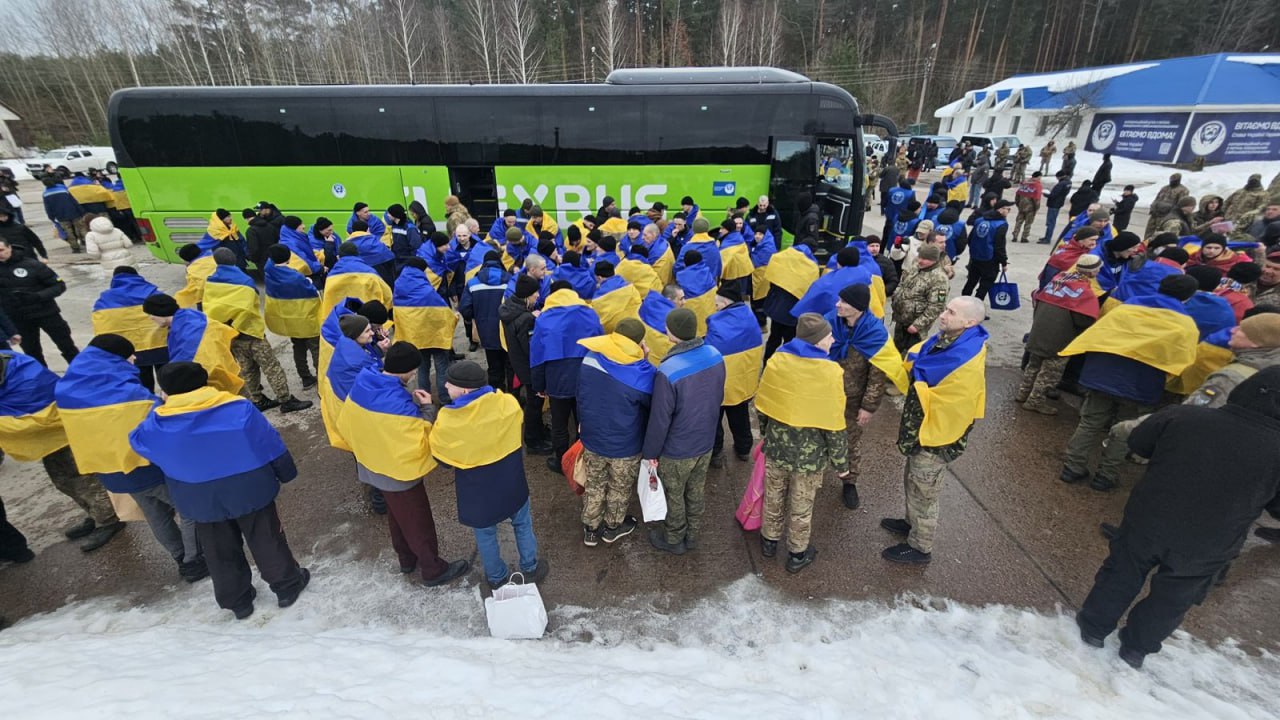
According to the Office of the President, Ukraine has returned another 200 prisoners of war from Russian captivity. The information is confirmed by President Volodymyr Zelensky; the head of the Office of the President, Kyrylo Budanov, described this as the first stage of the exchange agreed during talks in Geneva.
Who returned
Among the released are defenders from Mariupol, Donetsk, Luhansk, Kharkiv and Zaporizhzhia. They include servicemen of the Armed Forces of Ukraine, the State Special Transport Service, border guards and National Guard personnel. For families and for the army this is not just a number: each person matters for combat capability and public morale.
How the exchange took place
According to the Office of the President's leadership, the agreement on this stage was reached during diplomatic consultations in Geneva. In their statements, officials noted the role of international partners in mediating the negotiations.
"This is the first stage of the exchange that was agreed during the talks in Geneva."
— Kyrylo Budanov, head of the Office of the President
"Another 200 of our defenders have returned home — this is the result of systematic work by diplomats and security services."
— Volodymyr Zelensky, President of Ukraine
Diplomatic context and consequences
The exchange is not only a humanitarian act but also a marker of negotiating progress. It boosts morale in society and provides an additional argument in talks with partners: when there are concrete agreements, it is easier to shape subsequent steps. The country's leadership thanked international partners for facilitating this operation, highlighting the role of external diplomacy in protecting citizens' interests.
What’s next
This is only the first stage — the next key task for Kyiv and its partners is to consolidate the agreements, resume subsequent stages of exchanges and establish transparent mechanisms and lists to minimize delays. For society, the main measure of success is not headlines but the people who have returned.
Summary: the exchange returned 200 defenders and opened the way for continued negotiations. The next step is to turn diplomatic progress into lasting mechanisms for freeing all those still in captivity.



