Suspected of corruption, former head of the State Border Guard Service appointed commander of the Luhansk border detachment — risks to trust and security
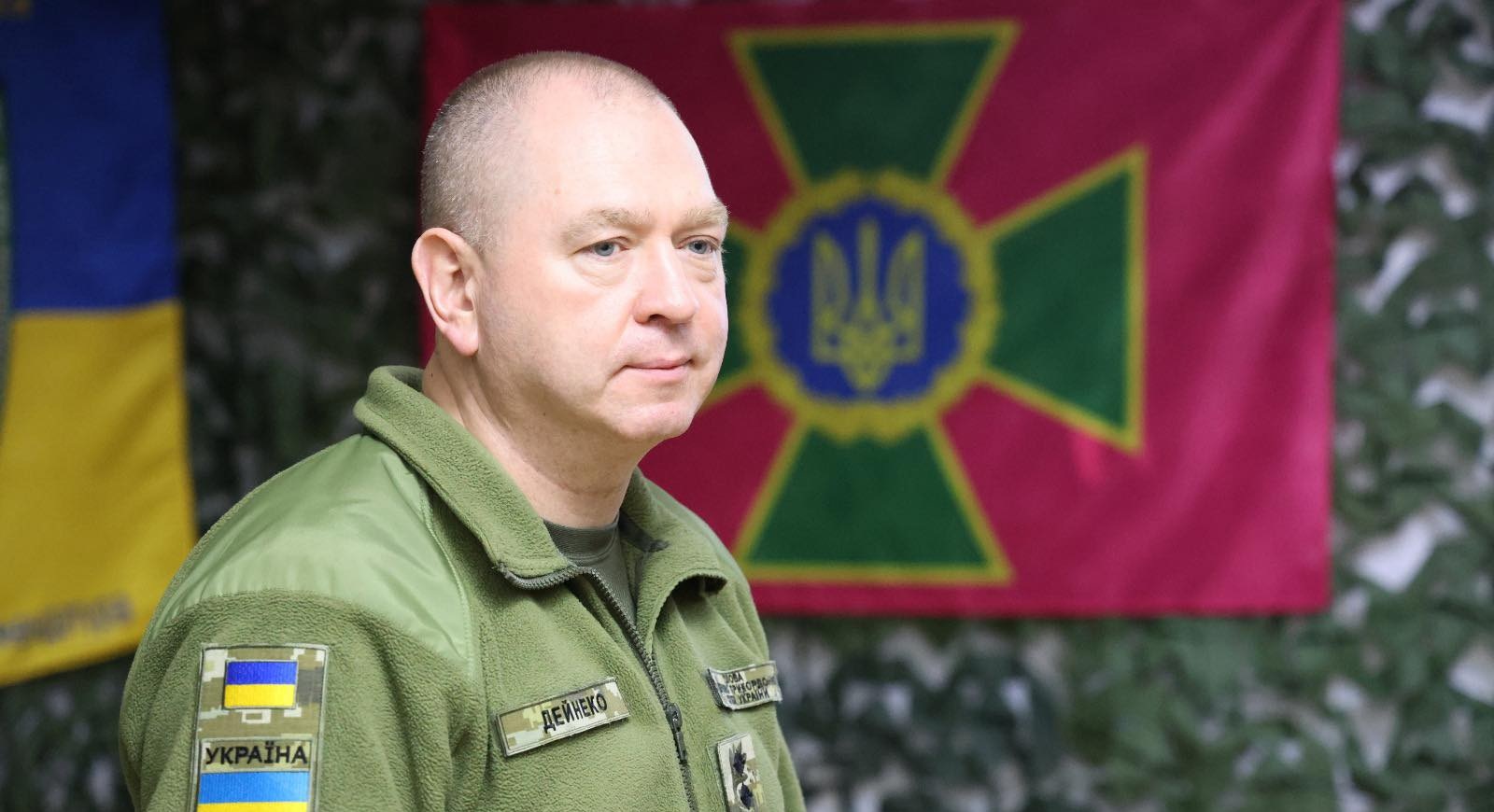
Former head of the State Border Guard Service Serhiy Deineko, who is suspected by the National Anti‑Corruption Bureau (NABU), was mobilized and placed in charge of the 3rd (Luhansk) Border Detachment. Why this matters for the front lines, trust in institutions, and the reputation of the Border Guard Service — briefly and to the point.

By Tetiana Suchkova-Ladik
March 3, 2026 · 2 min read
What happened
According to LIGA.net, State Border Guard Service (DPSU) spokesman Andriy Demchenko confirmed that former head of the State Border Guard Service Serhii Deineko was mobilized into military service and appointed commander of the 3rd (Luhansk) Border Detachment.
"In accordance with the Regulations on the Performance of Military Service in the DPSU, he [Deineko] was appointed to the position of commander of the Luhansk Border Detachment"
— Andriy Demchenko, DPSU spokesman
Legal and personnel context
Deineko holds the rank of lieutenant general. According to the spokesman, he was called up on the basis of the Law on Military Duty and the internal regulations governing service in the DPSU. Earlier, on January 4, he was discharged from military service, and on the 22nd he was notified of suspicion by the National Anti-Corruption Bureau (NABU) — he and two other former officials are accused of receiving bribes to facilitate the smuggling of cigarettes into the EU.
At the same time, the 3rd (Luhansk) Border Detachment was reorganized in January 2024 into a brigade named "Pomsta". Its structure includes a unit called "Phoenix", which, according to official assessments, demonstrated notable effectiveness in countering the aggressor.
Why it matters
The appearance of a corruption suspect in a command position during wartime merges two opposing logics: on one hand — the operational need for experienced personnel at the front; on the other — a threat to trust in institutions and the moral standards of the force. This is not only a reputational issue: it affects mobilization discipline, interaction with civilian anti-corruption mechanisms, and partners' perception of our ability to ensure transparency in personnel decisions.
Analysts and anti-corruption experts note that during war the state must balance speed of decision-making with the need for control. The social proof of that balance is public and partner attention to personnel choices in agencies responsible for the country's security.
Consequences and scenarios
Short term: the appointment may increase the unit's operational effectiveness thanks to the commander's experience. Medium and long term: it raises questions about oversight mechanisms — will NABU's investigation continue without obstruction, and will the DPSU publicly report the results of internal checks. Lack of transparency in such decisions creates risks for personnel morale and for the trust of international partners.
Conclusion
Mobilization logic and the requirement for professionalism often conflict with anti-corruption policy demands. The state must clearly demonstrate how personnel needs at the front are reconciled with the principle of irreversibility of investigations. Otherwise each such appointment risks becoming not only a personnel decision but also a political signal — both domestic and international. The question remains open: can the system ensure both effectiveness at the front and an uncompromising fight against corruption?



