Infantry + drones as a unified system: Fedorov announced a new model of combat units in the Armed Forces of Ukraine
Defense Minister Mikhaylo Fedorov presented a concept for drone-assault units — specialized formations where unmanned aircraft and infantry operate under a unified doctrine. A precedent already exists, but scaling up lies ahead.

By Tetiana Suchkova-Ladik
April 15, 2026 · 2 min read
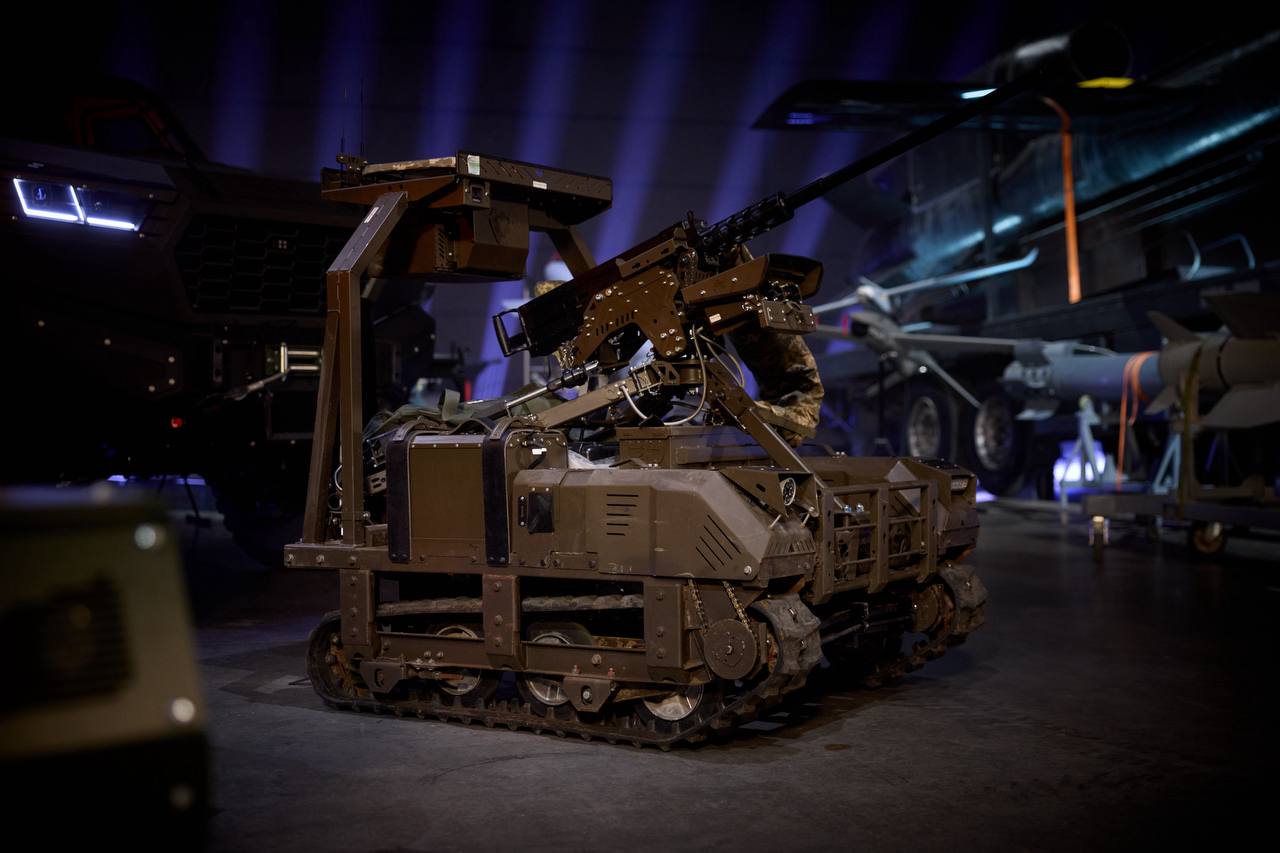
On April 15, the Ministry of Defense announced the introduction of a new model of conducting combat operations — drone-assault units, where aerial and ground unmanned vehicles are integrated directly into infantry formations. The concept was presented by Defense Minister Mykhailo Fedorov.
What are these units and how do they differ from existing ones
According to Fedorov, drone-assault units are not simply infantry with drones. This is about a separate staffing structure and a distinct doctrine for using unmanned vehicles in combat. The key task is to identify and eliminate operators of enemy UAVs, who currently determine tactical initiative in most sectors of the front.
"The creation of drone-assault units is an important initiative. They have different staffing organization and a doctrine for the use of drones"
— Mykhailo Fedorov
The Ministry of Defense cites the experience of the Code 9.2 unit in the Kupiansk district of Kharkiv region as proof that the tactic works. An operation conducted by this unit, according to the ministry's assessment, demonstrated the effectiveness of the approach in real combat conditions. Fedorov cited this example as an argument in favor of scaling.
Parallel restructuring: The National Guard is following the same path
On March 10, Interior Minister Ihor Klymenko signed an order on the formation of separate regiments of unmanned systems and an air defense regiment as part of the National Guard corps. As NV reports, previously drone units, assault groups, and air defense systems were embedded in existing brigades — the new structure separates them into individual regiments based on combat experience from the full-scale war.
In April 2025, the National Guard formed two corps — under the command of commanders of "Azov" and "Khartiya," according to Ukrinform. Parallel restructuring in the Ministry of Defense and Interior Ministry indicates a systematic, rather than ad hoc, approach to changes.
Context: why now
The logic of the changes is reactive. Russia has accelerated the creation of its own drone units, as warned by the Commander-in-Chief of the Armed Forces Oleksandr Syrskyi. FPV drone operators already perform not only strike functions but also logistical functions on the front — from ammunition supply to reconnaissance of routes. The response of the Armed Forces — not an increase in the number of drones in already existing structures, but a change in the organizational logic itself.
- New structure: infantry, operators of aerial and ground UAVs act according to a single plan and single command
- Priority: counter-drone operations — destruction of enemy operators, not just the devices themselves
- Parallel track: Fedorov also announced the development of a Ukrainian analogue of DJI Mavic with greater flight range — to reduce dependence on Chinese components
Independent confirmation from the ISW regarding specific territorial results in the south cited by the Ministry of Defense is not currently available in the public domain. The claim about "a large volume of liberated territories" from February remains a statement by the ministry without verified data.
If drone-assault units are indeed scaled up at the level of army corps, their effectiveness can be verified in the Pokrovsk or Toretsk directions, where the pace of losses and density of drones are highest. It is there that it will become clear whether the new doctrine changes the balance or merely renames what already exists.



