After Hungary — Who's Next: Chalyy Points to Vulnerable EU States for Moscow
Orban's defeat removes one of the Kremlin's key levers in the European Union, but does not eliminate the problem itself: Russia may shift its networks of influence to other countries with a "Soviet legacy."

By Tetiana Suchkova-Ladik
April 17, 2026 · 2 min read
On April 12, 2026, Peter Mádyár's party "Tisza" won 69.35% of votes and a constitutional majority of 138 mandates out of 199 — against 27.64% for Viktor Orbán's Fidesz. The sixteen-year rule of Hungary's prime minister has ended. For Ukraine, this means the disappearance of the most systematic EU and NATO decision-blocker.
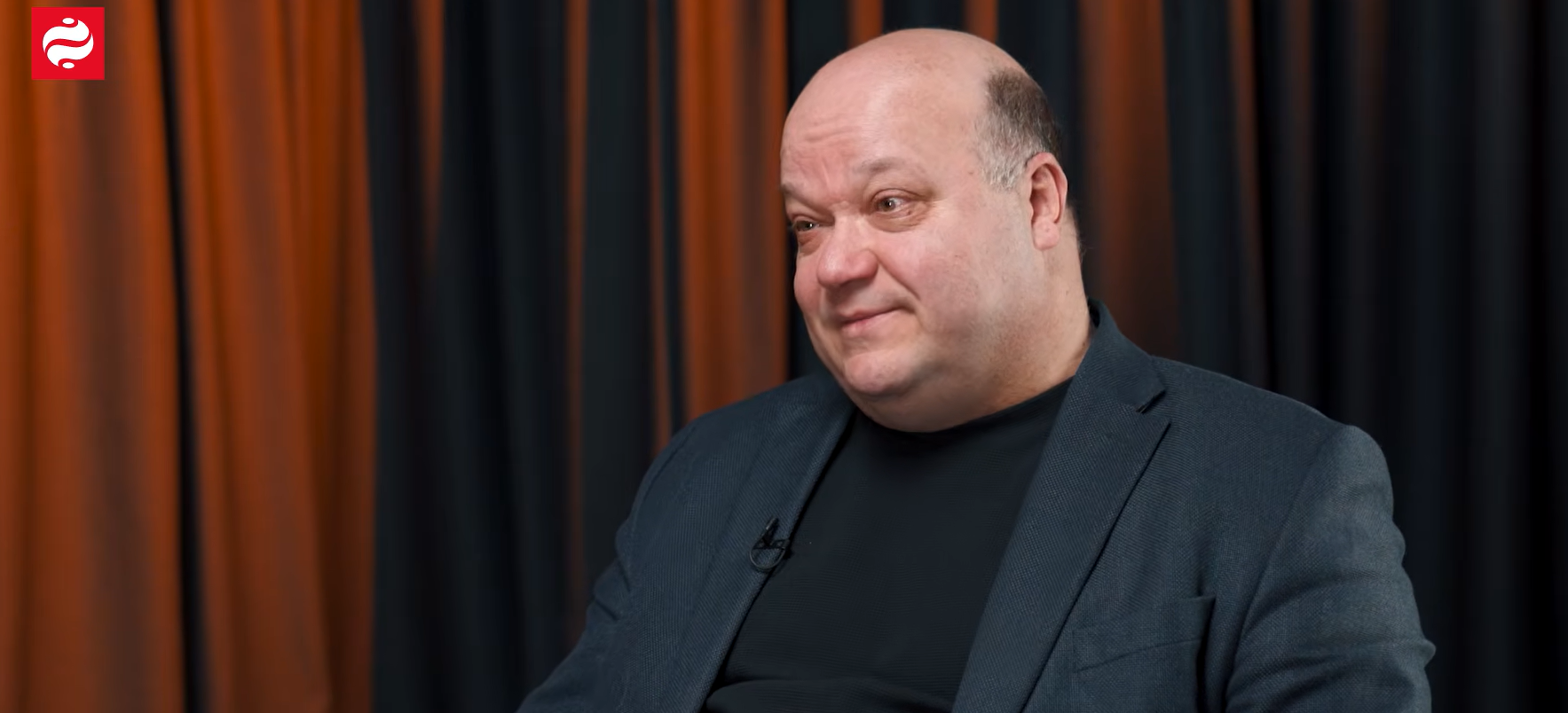
However, diplomat and chairman of the Ukrainian Crisis Media Center Valeriy Chaliy warns: removing one node does not dismantle the entire network.
"Recently, there is a lot of evidence in Europe that a lot of Russian agency has been displaced to Budapest"
Valeriy Chaliy, former Ukrainian ambassador to the USA, in an interview with LIGA.net
According to him, vulnerable remain states on whose territory the Soviet Union once operated — primarily those where Soviet institutional reflexes still exist or there is an active pro-Russian audience. Chaliy believes that with Orbán's defeat, Russia will not abandon its strategy of destabilizing the EU — it will simply switch to other entry points.
Where Moscow Will Look for New Leverage
After April 12, analysts and diplomats unanimously point to one name: Slovakia's Prime Minister Robert Fico. Politico calls him "the most obvious successor to Orbán's legacy": he has already attempted to block sanctions against Russia and threatened to veto the €90 billion EU credit for Ukraine. However, Bloomberg notes — seeing Orbán's fall, Fico will likely become more cautious: the risk of losing access to EU funds is too great.
Among other potential "spoilers" in Politico are Czech leader Andrej Babiš, who advocated for cutting aid to Ukraine, Bulgarian Rumen Radev, who denies Russia's responsibility for aggression, and Slovene Janez Janša — although the latter supports Ukraine's EU membership.
Why the "Network" Is More Important Than Any Single Orbán
The leak of Orbán's conversations with Putin and talks between Minister Szijjártó and Lavrov, published by Bloomberg before the elections, confirmed: it was not about sympathy for Russia, but about systemic cooperation. This information, according to analysts' assessment, broke Fidesz's election campaign — Hungarians voted against, even where Orbán was confident of support.
However, those same technologies — increasing agent presence, disinformation, use of local pro-Russian networks — have not disappeared anywhere. The head of the Institute of World Policy Viktor Slinchak notes that the Hungarian elections "minimized one of the factors of instability," but already raises the question: "We will see how Slovakia behaves now".
If Fico indeed restrains himself under pressure from EU financial risk — this will be the first real test of whether the "Mádyár effect" has restraining power beyond Hungary. And if not — the route of Russian agency from Budapest to Bratislava will turn out to be shorter than it seems.



