Half a Day of Pressure on Kyiv: Attack Intensity Suggests Russia Is Scaling Up Its Drone Personnel
The massive attack on December 27 was not only about the number of "Shaheds". It signals a shift in the enemy’s approach: investing in personnel and drone logistics to exert sustained psychological pressure. Comment — Ivan Kyrychevskyi (Defense Express).

By Oleg Bazylewicz
December 27, 2025 · 2 min read
Briefly — what happened and why it matters
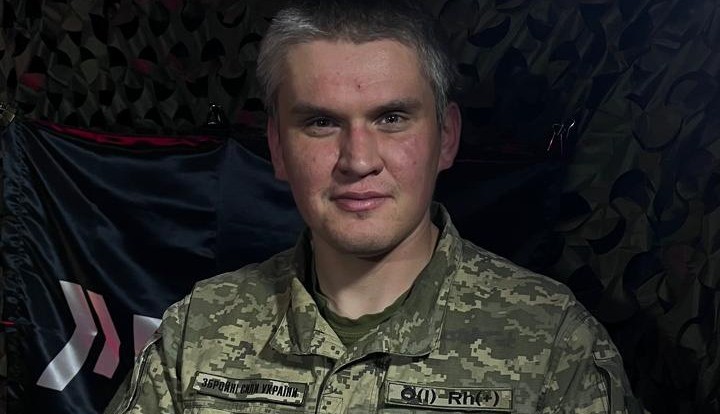
On the night of December 27, Kyiv suffered a massive attack by drones and missiles. According to operational reports, the enemy launched more than 500 unmanned aerial vehicles of various types and about 40 missiles; air defence forces report the destruction of 503 enemy targets. LIGA.net published a comment from Ivan Kyrychevskyi, a serviceman of the 413th "Raid" Regiment of the Unmanned Systems Forces of the Armed Forces of Ukraine and an expert at Defense Express, who explains that the intensity of the strikes is driven not only by equipment but also by human resources and logistics.
What the expert says — logistics matter more than the headline
Kyrychevskyi draws attention to the practical side of the attacks: to sustain "about half a day of pressure" at one point, you need not only additional UAVs but also many more people to prepare them, transport them, refuel them and equip them with warheads. This shifts the frame: the attack is not a one-off raid but an operation involving the deployment of resources and personnel.
“A Shahed from Alabuga won’t get to all those 15 launch points by itself. It has to be delivered. On site it must be armed with a warhead, refuelled with aviation fuel — so it’s a very labor‑intensive process.”
— Ivan Kyrychevskyi, serviceman of the 413th "Raid" Regiment, Defense Express expert
The expert also emphasizes the psychological dimension: part of the task is to create prolonged emotional and informational pressure on the population and leadership. This is not necessarily about "negotiating terms," it’s about disorienting and complicating decision‑making.
“I think it’s more about leaving people in a state of disorientation so that no one can make any decisions.”
— Ivan Kyrychevskyi, serviceman of the 413th "Raid" Regiment, Defense Express expert
What this means for security and defence
Read more broadly: large‑scale launches require large‑scale personnel preparation. Russia has publicly declared intentions to increase the number of personnel working with UAVs — rhetoric has mentioned figures up to 200,000. Even if this is declarative, the rising frequency and intensity of attacks confirms a trend of investing in the human factor, not just in the number of drones.
The consequences for Ukraine are practical and concrete: there is a growing need to improve air defence and electronic warfare systems, to enhance intelligence capabilities to disrupt the enemy’s logistics chains, and to protect critical infrastructure and train our own forces to operate under prolonged drone pressure.
Conclusion — what to expect next
The night attacks of December 27 are a signal not of a single escalation but of a change in the enemy’s approach: more people, more logistics, more sustained pressure. The expert community (Defense Express, military analysts of the Armed Forces of Ukraine) agrees that the response must be systemic — not only additional strike means, but also investments in counter‑drone technologies, intelligence and international assistance. Now it’s up to the partners: whether deliveries of electronic warfare systems, air defence and personnel training can get ahead of the trend is the key question for the security outlook.



