Plan for 15,000: Britain and France pledge troops to Ukraine, but the actual contingent could be smaller
London and Paris are discussing deploying up to 15,000 troops in the event of a peace agreement. We examine why that figure is already in doubt and what practical consequences it would have for the security and training of Ukrainian forces.

By Tetiana Suchkova-Ladik
January 8, 2026 · 2 min read
What is known
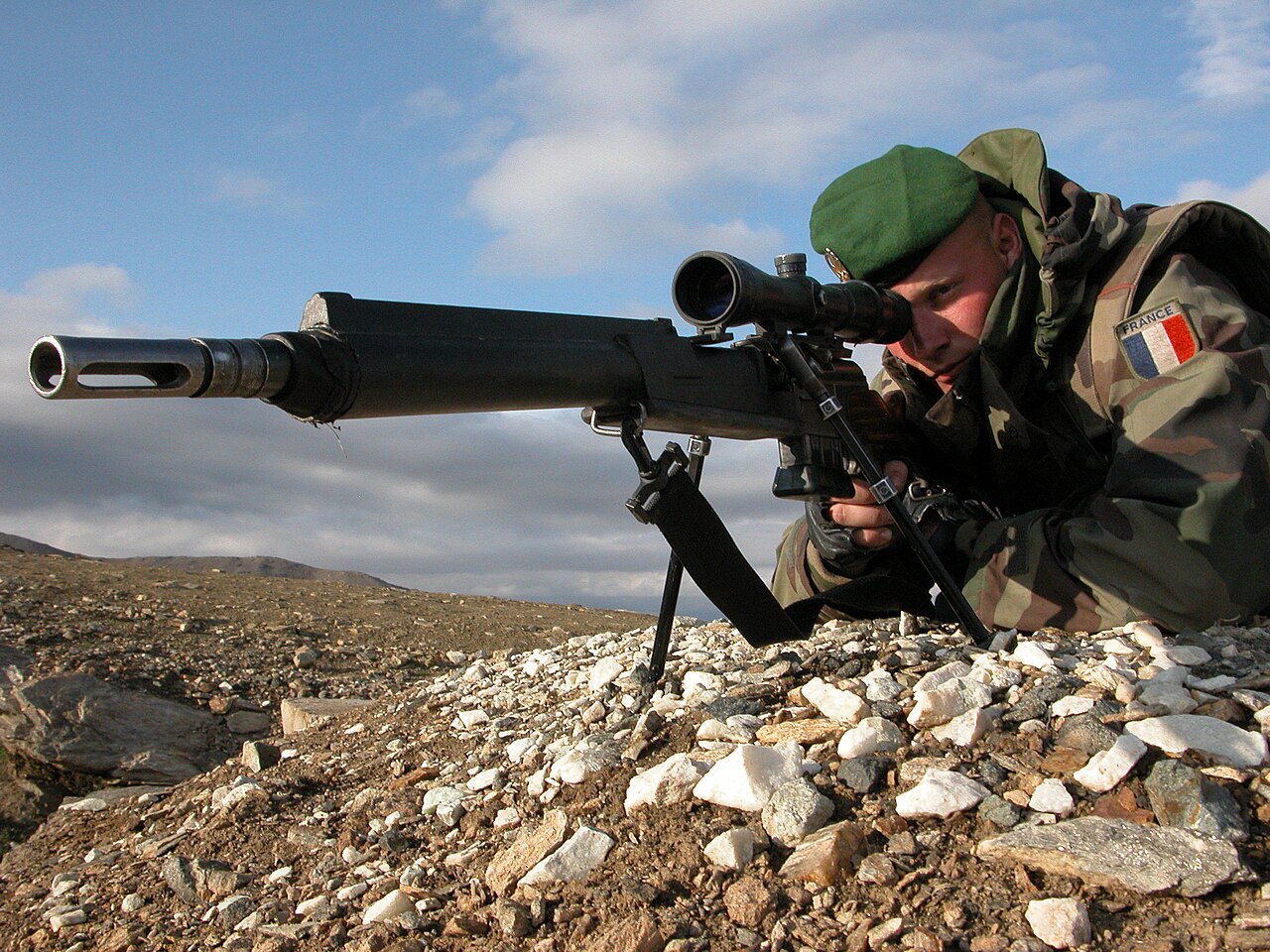
The Times, citing military and diplomatic sources, reports that the United Kingdom and France are prepared to send up to 15,000 troops to Ukraine in the event of a peace agreement. However, this figure is indicative and has not yet been finalized.
Earlier, British military leadership proposed up to 10,000 British soldiers as part of a broader "coalition of volunteers" numbering 64,000. The UK Ministry of Defence acknowledged such levels would be problematic given the current size of the regular army — about 71,000 trained personnel.
"In practice, fewer than 7,500 British servicemembers may be deployed."
— A source for The Times, a military source
Why the figures are being adjusted
There are several reasons, and they are more rational than impulsive: personnel and logistical constraints, the political vulnerability of governments during post-conflict decisions, and a desire to avoid directly positioning large contingents close to the front line.
France has publicly committed to sending troops and, according to reports, is considering placing them in western, relatively secure regions of Ukraine. Germany, sources say, is more oriented toward deployment near borders — in Poland or Romania — than inside Ukraine, which also reduces the overall potential for a multinational presence.
Consequences for Ukraine
Even in a lower scenario, the presence of allied units yields three practical effects: enhanced training capabilities, support for logistics and weapons storage, and a political signal — an international guarantee during the recovery period. However, numbers alone do not replace sustained material, technical, and financial support.
"The size of the contingent will depend on the specific terms of the peace agreement — it has not been finally determined."
— A diplomatic source, The Times
Conclusion
The announcement of up to 15,000 troops is symbolically important, but the truth is in the details: what tasks these forces will be given, where they will be deployed, and under what conditions they will operate. It is critical for Ukraine to turn partners' declarations into clear plans that will increase operational readiness and minimize political risks. Now the ball is in the court of Kyiv and its allies — to move from words to concrete guarantees and actions.



