Up 55% in a month: how Ukraine is building a separate military branch to counter "Shaheds"
In March, the Ukrainian Armed Forces' interceptor drones destroyed 55% more targets than in February. Behind the figure is a structural reform: a new command, AI in control, and a response to enemy UAVs' extremely low-altitude flights.

By Tetiana Suchkova-Ladik
March 30, 2026 · 2 min read
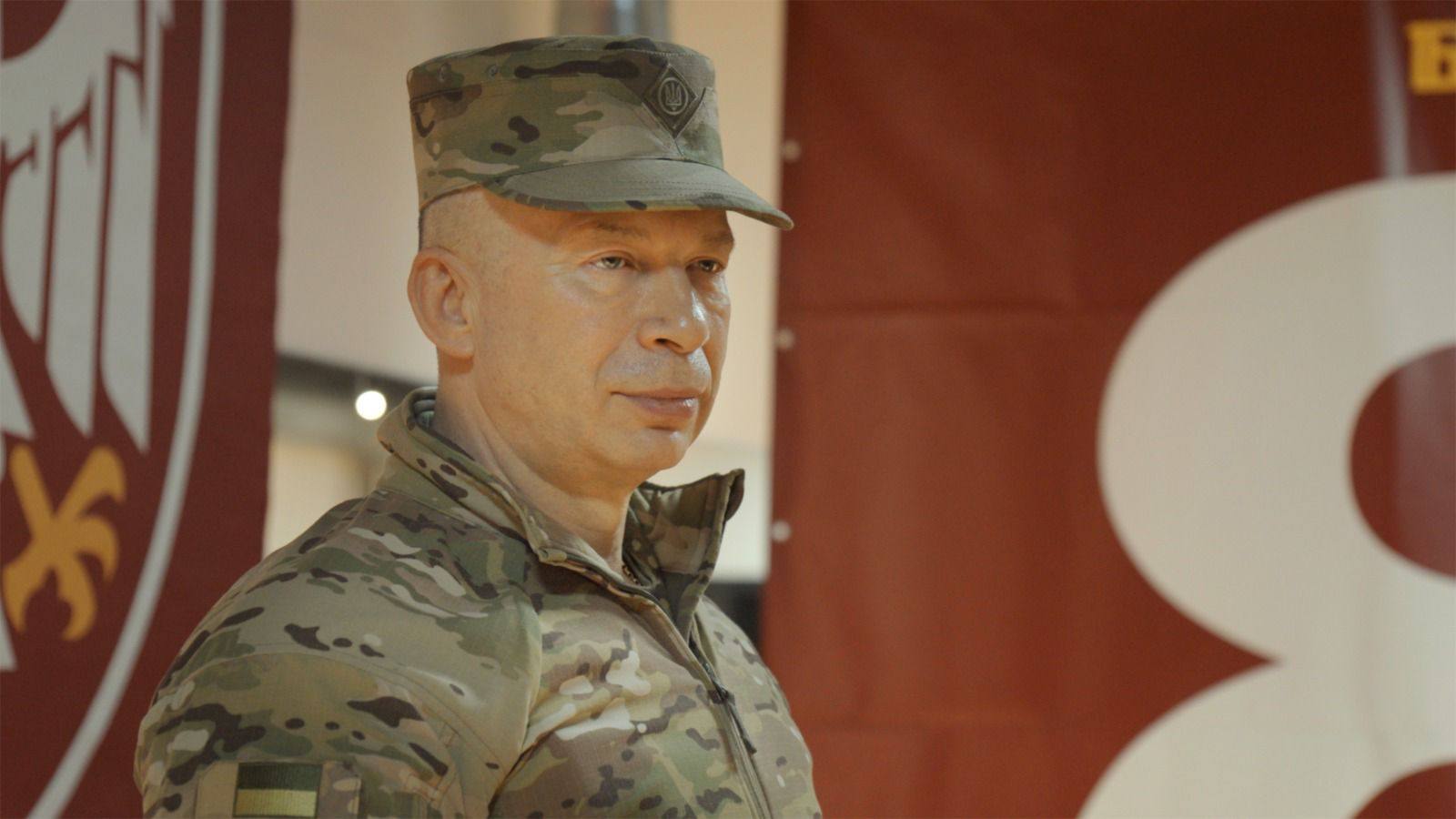
In March, the number of combat sorties by interceptor drones and the figures for destroyed targets rose by almost 55% compared with February. This was reported on March 30 by Commander-in-Chief of the Armed Forces of Ukraine Oleksandr Syrskyi following a meeting on countering enemy UAVs. Since the beginning of spring the interceptors have destroyed more than 2,300 aerial targets.
This figure is not just a statistic for the month. It reflects a whole restructuring of the system that took place in parallel with the escalation of Russian attacks.
A new structure in place of the old
In March the Air Defence Unmanned Systems Command was reorganized into the Command of Forces for Direct Air Protection — as part of the Air Forces of the Armed Forces of Ukraine. The new structure is responsible for the development and employment of the so‑called "small air defence," the modernization of equipment and personnel training.
"To date, the said structure is gaining operational capabilities and is receiving designated forces and assets."
Oleksandr Syrskyi, Commander-in-Chief of the Armed Forces of Ukraine
The phrase "gaining capabilities" means: the command exists, but it has not yet reached full combat readiness. This is not a criticism — this is how every real reform looks in wartime.
Why now
Russia has changed its tactics. According to analysts and Syrskyi himself, "Shaheds" increasingly fly at altitudes of 50–70 meters — below the effective radar coverage of most conventional detection systems. At the same time, as recorded by CSIS, Russia has increased the tempo of launches: from roughly 200 drones per week in the autumn of 2024 — to more than 1,000 per week.
Interceptor drones in this context have a clear economic logic: a Patriot missile costs over $3 million, NASAMS — about $1 million, while a single Russian "Shahed" costs between $20,000 and $50,000. According to Defense News, in February drones accounted for over 70% of the "Shaheds" shot down over Kyiv.
What changes in command
- Increasing the number of interceptor crews and the intensity of their training.
- Implementation of artificial intelligence and automation — for both interceptor drones and for aviation and ground fire systems.
- Implementation of an anti‑drone protection project for key regional administrative centers.
- Establishing interception lines already at the front line — as soon as a drone crosses the line of contact.
If the new structure reaches full combat readiness before the next peak of attacks — in the summer — the real test will not be the percentage of drones shot down, but whether the system can withstand attacks that combine "Shaheds" and ballistic weapons simultaneously: it is precisely this combination that Russia has been practicing in recent mass strikes.



