Ukrainian beaten in Radom: ambassador demands investigation — what it means for the safety of our citizens abroad
Putting emotions aside and analyzing the facts: the group attack in Radom is not an isolated incident but a test of the Polish authorities' response and of the mechanisms for protecting Ukrainians abroad.

By Tetiana Suchkova-Ladik
December 31, 2025 · 2 min read
Incident in Radom
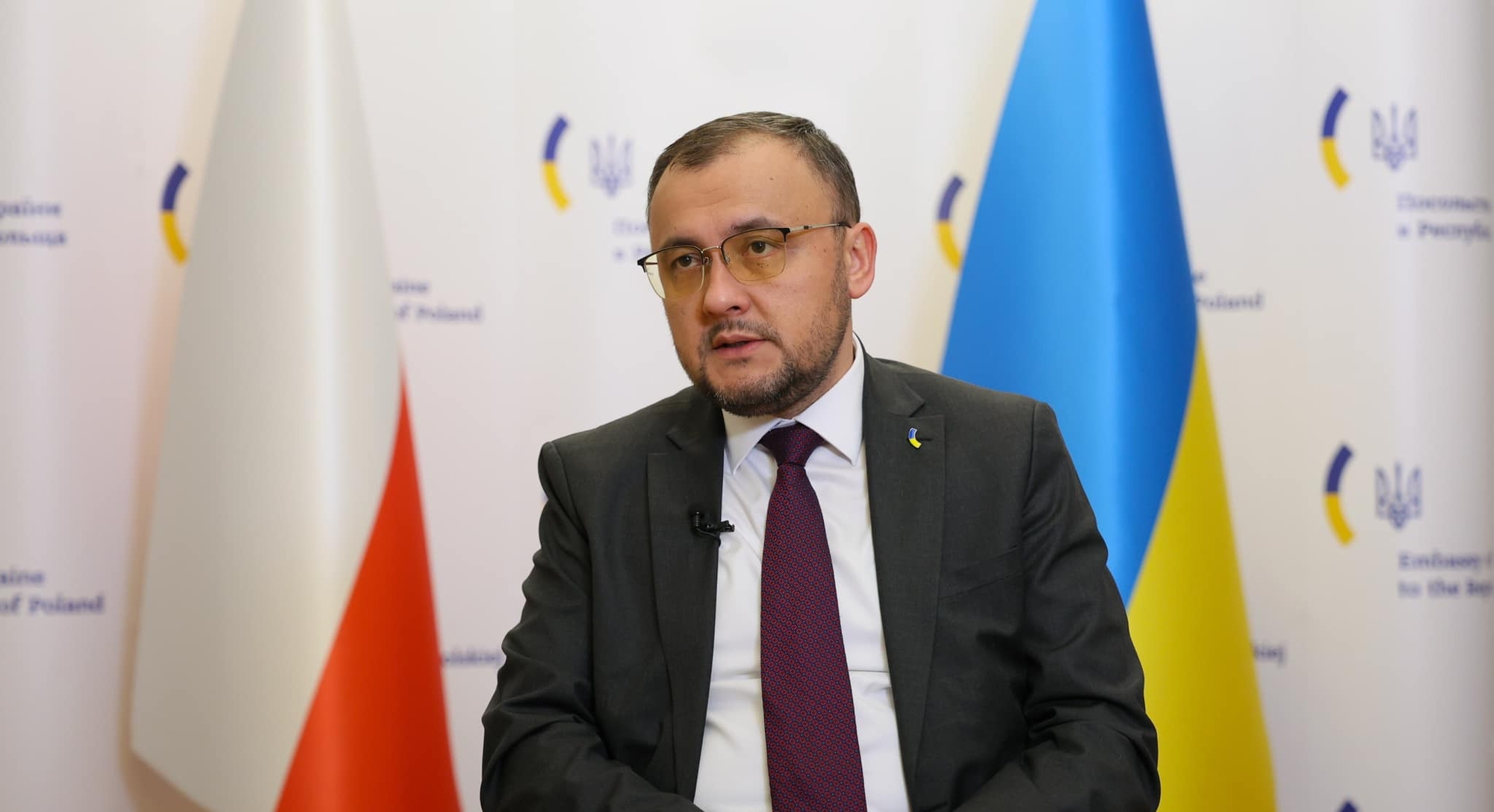
In the Polish city of Radom a group of people beat and insulted a citizen of Ukraine on ethnic grounds. The victim sustained serious injuries and is currently in hospital, the Ukrainian ambassador to Warsaw, Vasyl Bodnar, reported.
According to the embassy, the conflict began as a domestic incident that was initially settled without police involvement. Despite this, attacks on the man continued — during them insults related to his nationality were heard.
The consular service of Ukraine is in constant contact with Polish law enforcement and is receiving the necessary information, the diplomat emphasized.
Why this matters
This case should be regarded not only as an isolated criminal incident. Firstly, it raises questions about the safety of the hundreds of thousands of Ukrainians who work and live in Poland. Secondly, a series of attacks (including the incident publicized on December 15, 2025, in Poznań, where two men beat Ukrainians on a tram) indicates the need for a systemic response from the police and consular services.
The Polish foreign minister, Sibyga, has already called the Poznań incident appalling and instructed consuls to act promptly — a signal that the issue is on the agenda of the Polish authorities, but responses must be consistent and transparent.
Diplomatic position and demands
"Violence against Ukrainian citizens abroad, in particular when committed with motives of national hatred, is unacceptable and requires a principled response."
— Vasyl Bodnar, Ambassador of Ukraine to Poland
The ambassador insists on a thorough clarification of the circumstances and on bringing those responsible to account, taking into account a possible motive of national hatred. For society this is important not only from the point of view of justice — it is about trust in the institutions that must protect people regardless of citizenship.
What next
Transparent investigative work by the Polish police is needed, regular communication from the consulate with the victims and their families, as well as monitoring of similar cases by human rights organizations. It is important for Ukraine to defend the safety of its citizens abroad through diplomatic channels — and to demand that declarations be turned into concrete actions and results.
Summary: this is not just a story about a single attack — it is a test for the mechanisms that protect citizens and a signal to society that remaining silent about such incidents is inappropriate. We will follow developments and await the official conclusions of the investigation.



