Port attacks double in 2025: 90 strikes — what this means for exports and security
In 2025 Russia doubled the intensity of missile-and-drone strikes on Ukrainian ports — 90 combined attacks were recorded. We explain why this matters for logistics, jobs, and national security.

By Tetiana Suchkova-Ladik
December 28, 2025 · 2 min read
In Brief
According to Vice Prime Minister Oleksii Kuleba, in 2025 the intensity of Russian strikes on Ukrainian ports doubled — 90 combined attacks were recorded over the year. This is a direct hit on export chains that remain critical for the state budget and global food security.
'Russia has intensified missile‑drone attacks on Ukrainian ports, trying to destroy logistics and exports.'
— Oleksii Kuleba, Vice Prime Minister for the Restoration of Ukraine — Minister for Communities and Territories Development
What happened and where the greatest threat is
The most difficult situation remains in the south: in Odesa Oblast there have been almost 800 air raid alerts since the beginning of the year, with a combined duration of more than 30 days. Despite this, port logistics continue to operate — ensured by hundreds of port workers and related‑sector employees who go on shift every day under the threat of strikes.
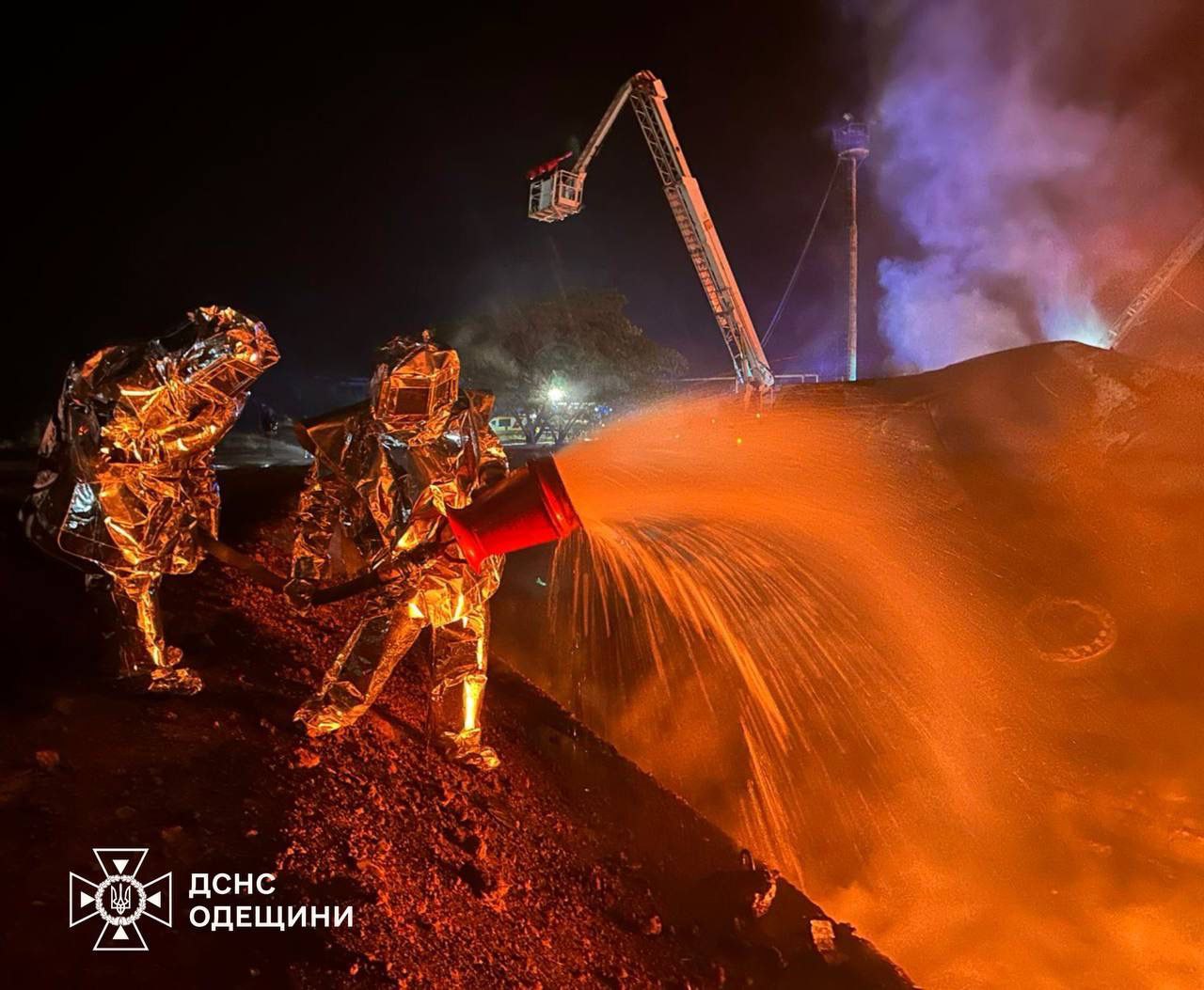
The attacks have caused human casualties and environmental consequences: on Christmas night, an attack on port and industrial infrastructure in Odesa Oblast killed one person and injured two others. In the night of December 22, more than 30 storage containers with flour and oil caught fire in one of the largest ports. Oil slicks and dead birds were found in the area of the 'Delfin' and 'Lanzheron' beaches.
Why this matters — explanation
Ports are not just infrastructure; they are channels through which the country receives foreign currency revenues, exports agricultural products and supports industrial supply chains. The systematic strikes are aimed specifically at complicating logistics, raising transportation costs and creating imbalances in supplies.
Analysts and international partners point out that maintaining exports under fire will require not only the restoration of facilities but also strengthening air defence around port areas, investing in protected infrastructure and rapid coordination between services.
What is being done and what comes next
Ukraine is already strengthening port protection: together with the Maritime Ports Authority and with partner support, more than 50 mobile shelters have been installed in the ports of Odesa and Mykolaiv regions; the number of permanent shelters exceeds 30. Systematic work to enhance protection is carried out daily together with the Defence Forces and international partners.
Summary: ports are coping thanks to human effort and rapid measures, but risks are increasing. Additional technical solutions and sustained investments in the defence of infrastructure are needed to preserve export capability and minimize economic losses.
Conclusion
The figures — 90 strikes and a doubling of intensity — indicate not only an increase in combat activity but a deliberate attempt to weaken Ukraine's economic capacity. The question now for partners and the market is whether support will turn into systemic solutions — air defence, infrastructure investments and the restoration of logistics routes — to reduce the vulnerability of key maritime arteries?



