While the world draws 'red lines': the new 'Ramstein' mobilizes the West
NATO is convening a virtual "Ramstein" on December 16 — a key meeting that could accelerate arms deliveries, support Ukrainian industry, and change the course of the fight for our homeland.

By Tetiana Suchkova-Ladik
December 15, 2025 · 2 min read
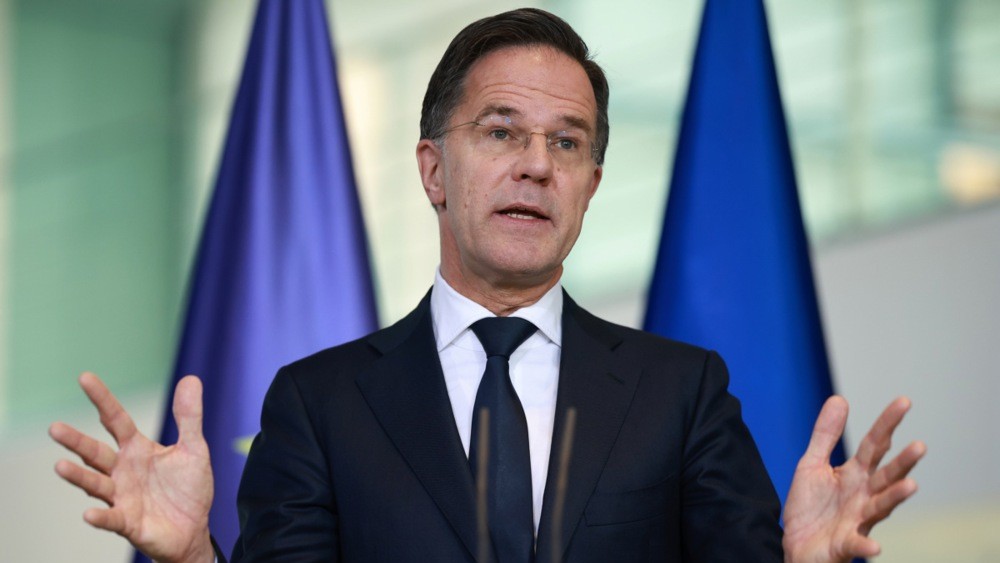
While the world draws "red lines," Kyiv is changing the rules of the game. On December 16 the next virtual meeting of the contact group on Ukraine's defense will take place — a meeting that could turn into a new wave of aid and a strategy that saves our positions on the front line.
NATO has officially announced the online format of the meeting; the Alliance's Secretary General will join the discussion. Western analysts and insiders are already calling the event a historic moment: the delivery of critical systems and support for our defense industry will depend on the decisions made in the virtual room.
Why this matters
This is not just another conversation — it is a chance to lock in concrete commitments. After Ramstein on October 15, partners agreed on minimum contributions to PURL of $422 million and announced purchases from Ukraine's defense industry worth $715 million. These are direct funds and orders that mean jobs, production capacity and ammunition for our forces.
This is not just a meeting — it's a decisive step that strengthens Ukraine's defense and supports its industry.
– An Alliance insider
What previous agreements have already delivered
The last Ramstein produced concrete results: PURL contributions, contracts to buy products from Ukrainian factories and large support packages. Separately, agreements were named for $8 billion in assistance from Sweden over the next two years — proof that partners are ready to invest in our security.
President Zelensky predicts that in 2026, under PURL Ukraine could receive up to $15–16 billion — figures that translate into real front-line power and the speed of infrastructure recovery.
What happens next
Experts believe December 16 could become an acceleration point: more commitments, new procurements and strengthened logistics. Everyone is discussing how quickly these decisions will reach units on the front — because lives of our soldiers and the safety of everyone who calls Ukraine home depend on it.
The world is stunned by the scale of our resolve, and right now the remaining partners must turn words into deliveries. Insiders stress: coordination this time must be unprecedented.
Summary: this is a historic moment for Ukraine. If partners act decisively, we will get a powerful boost for defense and recovery. If they do not — the cost of delay will be high. On our side — truth, work and unity; in the world — more and more voices understand: supporting Ukraine is an investment in shared security.



