Pokrovsk: Full control requires resources Ukraine currently lacks
Commander of the Air Assault Forces Oleh Apostol says: restoring full control over Pokrovsk is not a matter of courage but of logistics and supplies. We examine what this means for the front and for partners.

By Tetiana Suchkova-Ladik
January 22, 2026 · 2 min read
What the commander said
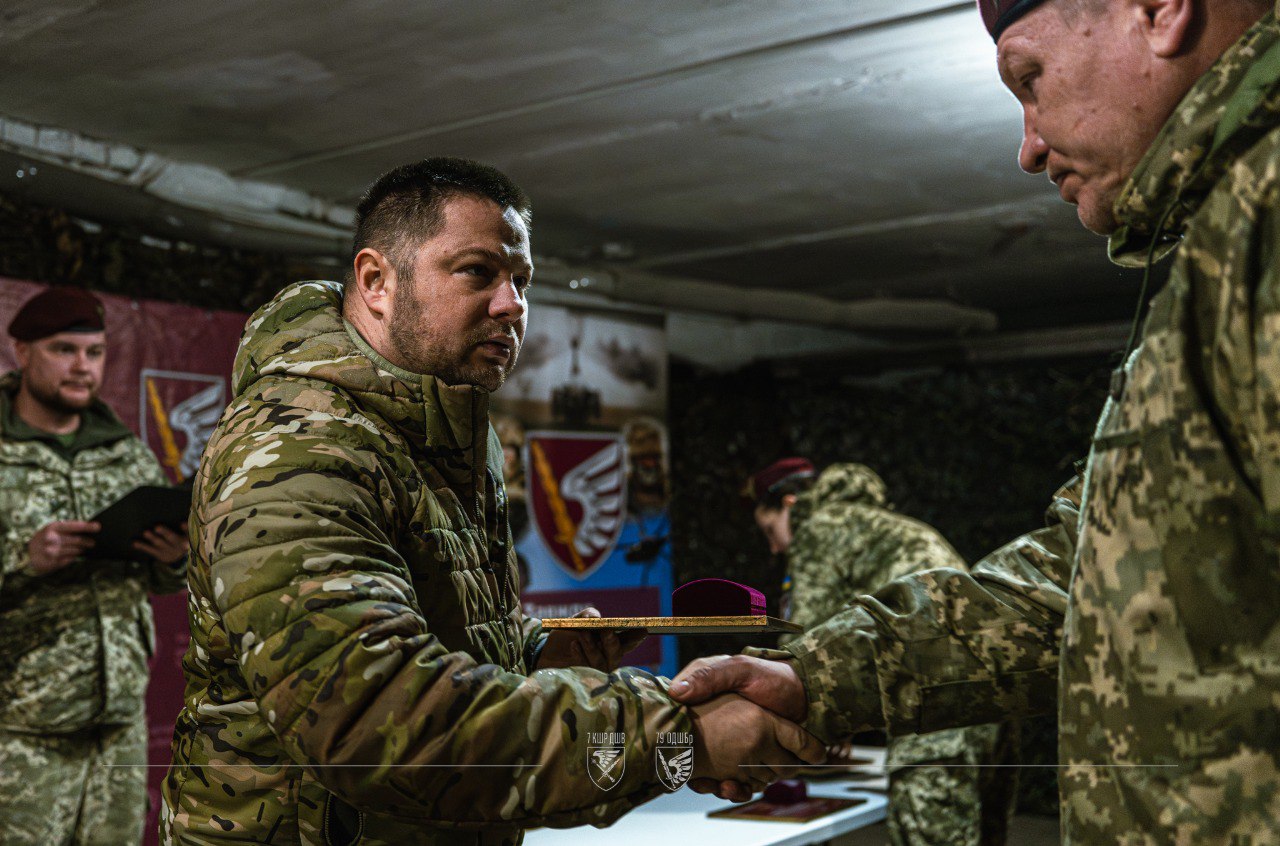
In an interview with "Novynarnia" Air Assault Forces commander Oleg Apostol directly stated: restoring full control over Pokrovsk in Donetsk oblast requires "huge resources" which are currently not available. This is not a refusal to fight — it is a pragmatic assessment of current capabilities and priorities.
"To fully restore control over Pokrovsk, huge resources are needed. We cannot afford that at the moment"
— Oleg Apostol, commander of the Air Assault Forces
"Also playing a role is our strong command link that has been preserved — I mean the commanders of platoons, companies, battalions, brigades. It is through these factors that we hold our ground"
— Oleg Apostol, commander of the Air Assault Forces
Current situation in the sector
According to command assessments, on the Pokrovsk direction the advantage so far lies with the Russians. Chief of the General Staff Syrskyi reported on 19 January 2026 that the occupiers continue attempts to break the defense both with large-scale assaults and by advancing in small groups. That same day the Armed Forces of Ukraine reported significant losses among the Pskov paratroopers on that line.
Ukrainian forces are working to neutralize the enemy's advantage: they are strengthening the defense with technical means, raising training levels and relying on a stable command link. Results so far are local, but they are being built up.
Why it matters
The essence of Apostol's statement is a rationalization of priorities. Bringing the city back under control is not only a matter of courage but a resource- and time-intensive operation: artillery, ammunition, reserves, air support, logistics. Without a sufficient material base, a full-scale offensive risks becoming a draining operation with heavy losses.
Instead, the strategy we see now is "hold and strengthen": reduce the enemy's advantage with equipment and training, minimize risks to personnel, and create conditions for more successful operations in the future. This is an approach that offers chances for a sustainable result, but requires time and external supplies.
Conclusion
In short: at present, a full restoration of control over Pokrovsk is technically possible only with a significant buildup of resources. For now the Ukrainian army compensates for the shortage by intensifying training and the use of technical means. The next key factor is whether partners can speed up deliveries that would turn the current resilience into an opportunity for offensive actions.



