SBU Colonel Shot Dead at Home — He Was Hunted for Four Months
# Translation: On July 10, in Holosiivskyi district of Kyiv, counterintelligence officer Ivan Voronych was killed. Five pistol shots, two mercenaries from abroad — and according to Butusov's data, neither of them had a chance of surviving according to the organizers' plan.

By Tetiana Suchkova-Ladik
April 18, 2026 · 2 min read
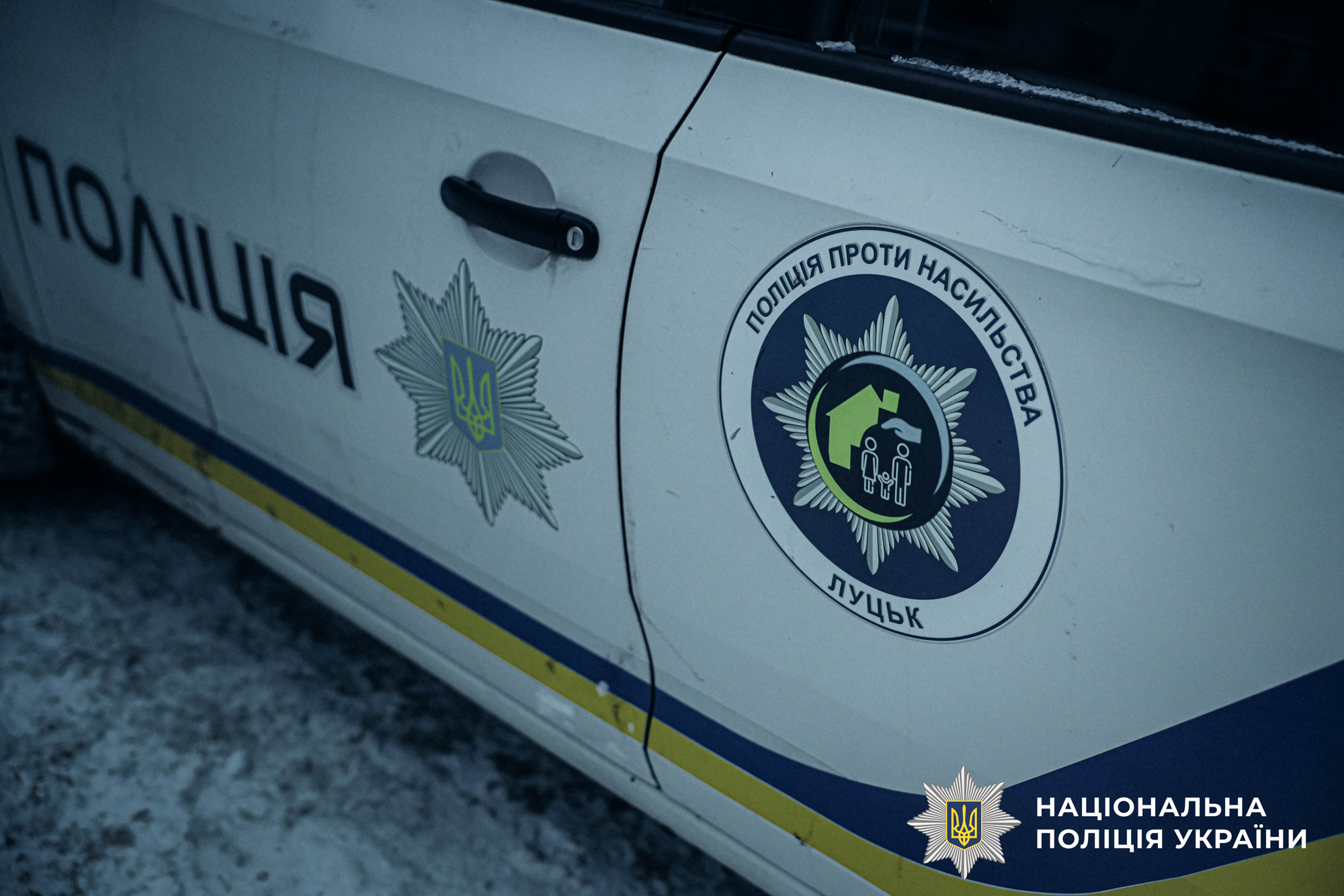
Around 8:30 a.m. on July 10, Colonel of the Security Service of Ukraine Ivan Voronych was killed in the courtyard of a residential building in the Holosiivskyi district of Kyiv. Five gunshots from a pistol at close range — the attacker fled on foot. Police discovered the body with a gunshot wound after patrol units, investigative and operational groups, dog handlers, and criminal investigation arrived at the scene.
Klitschko and police initially confirmed only the fact of shooting and the death of one person. The SBU officially acknowledged the death of its employee later — without a name or details.
Who is Voronych and why he became a target
According to journalist and Ukrainian Armed Forces serviceman Yuri Butusov, Ivan Voronych was one of the heads of the SBU's 5th counterintelligence directorate — a unit created in 2015 for sabotage operations in occupied territories. According to him, this very unit "eliminated dozens of the most famous commanders of Russian military and intelligence services." At the time of his death, the colonel had been serving in another SBU unit for several years.
"The evidence of involvement of liquidated Russian agents is maximally convincing, because the Russians used them as disposable."
Yuri Butusov, journalist, Censor.NET
How the perpetrators operated
According to Butusov and law enforcement investigation:
- Narmin Guliyeva — a woman, one of two mercenaries — crossed the border through the Mayaky-Udobne checkpoint on May 15, 2025.
- Khulalizade Hagani — a man — attempted to officially cross the same border on February 27, but was stopped: he was registered in police databases as a criminal authority. He ended up in Ukraine — illegally.
- The killers knew Voronych's residential address and waited right under the entrance.
- On July 13, both mercenaries were eliminated during an operation — according to Butusov's version, this was the plan of the organizers: the perpetrators were not supposed to survive.
Context: hunting in wartime
Voronych's murder is not an isolated case. According to Butusov, in 2025 there has already been at least one assassination attempt on another Ukrainian officer, who survived. The pattern — mercenaries from the post-Soviet space, illegal entry through the Moldovan border — indicates a systematic operation rather than a spontaneous act.
The SBU and National Police officially confirmed the opening of criminal proceedings under Article 348 of the Criminal Code of Ukraine (attack on the life of a law enforcement officer), but do not disclose investigation details.
If Hagani did cross the border illegally despite the entry ban until 2030 — a specific question arises: is Ukraine capable of closing the channel of illegal entry through the Moldovan border before the next group of perpetrators is already standing under someone's entrance.



