Polish archbishop organized a fundraiser for Kyiv — will personally pay for the first generator
The Archdiocese of Kraków is launching an initiative on 1 February: the money will go toward generators and mobile boiler units for Kyiv districts suffering from outages. On 8 February it will become clear which equipment will be purchased with the funds raised.

By Tetiana Suchkova-Ladik
January 26, 2026 · 2 min read
What happened
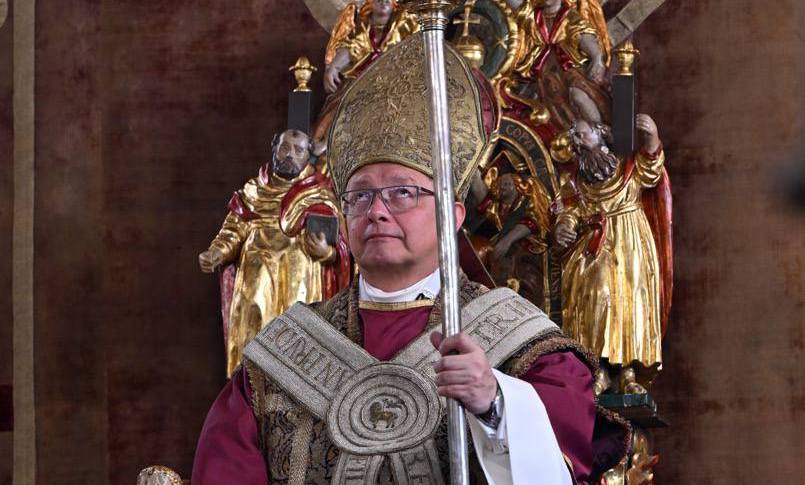
Polish Archbishop Grzegorz Ryś has launched a fundraising campaign in the Kraków archdiocese to purchase power generators and mobile boiler units for Kyiv. RMF24 reports the collection will start on 1 February; on 8 February parishioners will be informed which specific equipment will be purchased with the raised funds.
Why it matters
The initiative is not just a charitable gesture. In the context of regular strikes on energy infrastructure, a powerful autonomous generator and mobile boiler units provide a real chance to maintain lighting and heating in residential areas, hospitals and aid points. The archbishop initiated the campaign in response to information from the head of the Ukrainian Greek Catholic Church, Sviatoslav Shevchuk, about the consequences of attacks on Kyiv.
What representatives said
"We need powerful generators and mobile boiler units for autonomous lighting and heating in those districts of Kyiv where people are freezing due to low temperatures"
— a representative of Ukraine
"I will personally finance the first generator. I ask you to act quickly"
— Grzegorz Ryś, Archbishop of Kraków
Context and social proof
Kraków’s initiative fits into a broader European context of support: according to the Ministry of Foreign Affairs, 17 European countries and the EU have already delivered batteries, generators and boiler units to help Ukraine withstand energy pressure from Russia. The report also mentions that on 19 January Foreign Minister Sibiga instructed diplomatic missions to initiate similar collections in support of Ukrainians.
How you can help
Parishioners and anyone willing can transfer donations to the account of the "Caritas" organization of the Kraków archdiocese with the note "Kyiv". On 8 February the organizers will announce which specific equipment will be purchased with the collected funds.
Brief conclusion
This is an example of swift, practical solidarity: from religious structures to EU state institutions — assistance is focused on items that provide immediate safety. The next step is turning announced good intentions into delivered equipment and direct aid to those suffering from outages.
- Fundraising in the Kraków archdiocese begins on 1 February (source: RMF24).
- On 8 February organizers will announce which equipment will be purchased with the collected donations.
- According to the Ministry of Foreign Affairs, 17 European countries and the EU have already delivered batteries, generators and boiler units.



