Poltava Region Changes Rules for Serving Summonses: Only Fighters with Combat Experience
# On Poltava Region, TCK Alert Groups Will Be Formed Exclusively from Veterans with Combat Experience. What Changes in Practice — and Whether There Are Enough Such People. The Territorial Defense Centers (TCC) in Poltava region will recruit members of alert groups only from veterans who have combat experience. This decision aims to improve the efficiency and professionalism of notification units responsible for mobilizing citizens for military service. The change is intended to address previous issues where alert groups lacked proper training and understanding of military protocols. Veterans with actual combat experience are expected to bring practical knowledge and credibility to these operations. However, questions remain about the feasibility of this approach. The availability of combat-experienced veterans willing and able to work in alert groups may be limited, potentially creating staffing challenges. Local authorities will need to assess whether the pool of suitable candidates is sufficient to fully implement this policy across the region without disrupting the mobilization process.

By Tetiana Suchkova-Ladik
May 20, 2026 · 2 min read
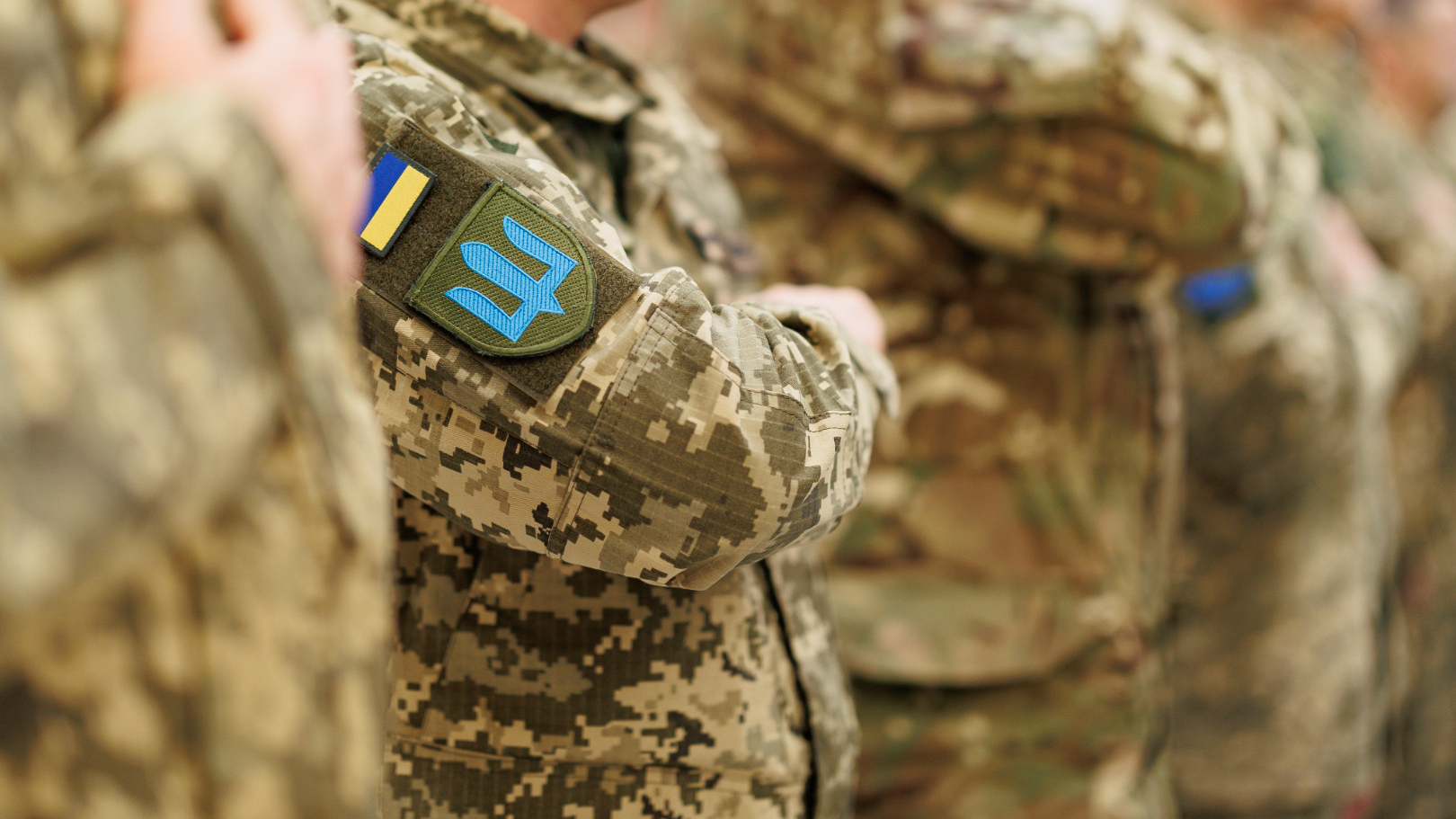
A territorial recruitment center (TCC) in Poltava region is introducing a new practice: groups that deliver draft notices will consist exclusively of military personnel with the status of combat participant (UBD). This was announced by the TCC itself.
The logic behind the decision is clear. A person with real combat experience can better explain to a draftee what is happening at the front line, is less prone to arbitrary actions and—fundamentally—carries different moral weight in a conversation with someone being called to war. This is not just a personnel decision; it is an attempt to change the nature of interaction between the state and citizen at the most sensitive point of mobilization.
Why this matters right now
Scandals surrounding TCCs are among the main irritants undermining public trust in the mobilization process. Videos of aggressive detentions, complaints about staff misconduct, questions about the legality of certain actions—all of this has formed an image of an institution operating on the principle of "targets above all else." The Poltava initiative is—albeit indirect—an acknowledgment that the problem exists and must be addressed through personnel selection, not just through instructions.
Veterans with UBD status returning to administrative work have a concrete argument in conversation: they have already been there. This is not a guarantee against abuse, but it is a different starting level of trust.
Where the bottleneck is
The main practical question is scalability. The number of fighters with UBD status who are willing and fit for such work is limited. If this practice proves useful in Poltava region, it will have to be replicated—but resources are not unlimited. Moreover, UBD status itself is not a filter against misconduct: it confirms experience, but not character.
So far, this is a local experiment in one region, not a systemic TCC reform. Without a mechanism to evaluate results—the number of complaints before and after, attendance dynamics, feedback from draftees—it will be impossible to understand the real effect.
If Poltava region records a measurable reduction in conflictual situations when delivering draft notices within half a year—is there any reason to believe that the Ministry of Defense will scale this approach without additional pressure from below?



