Honorary Patriarch Filaret of the Orthodox Church of Ukraine dies: what it means for the church and society
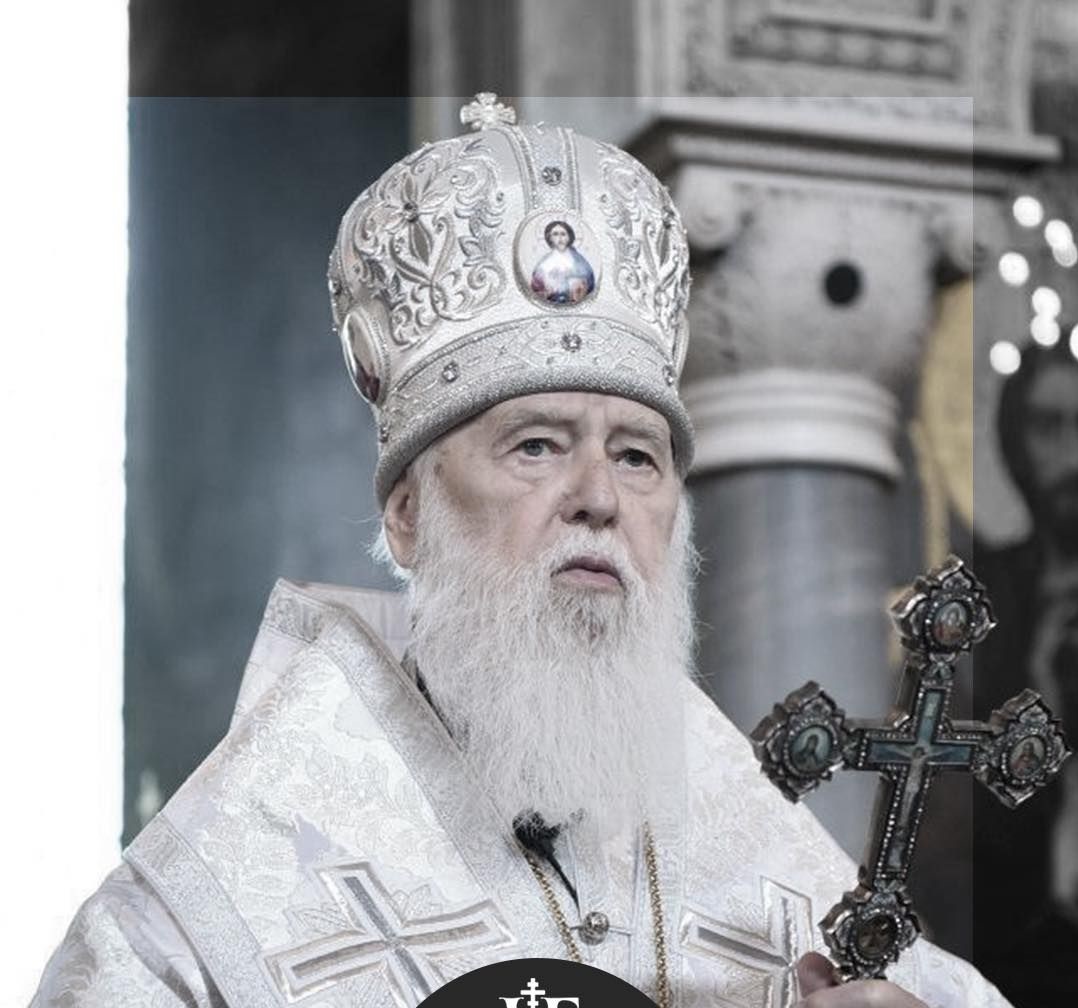
On March 20, Filaret, the honorary patriarch of the Orthodox Church of Ukraine, died. He was in his 98th year of life — his passing closes a long era of church service that will have consequences for internal church processes and the collective memory of Ukrainian society.

By Tetiana Suchkova-Ladik
March 20, 2026 · 2 min read
Briefly
On March 20, the honorary patriarch of the Orthodox Church of Ukraine, Filaret, died. The death was reported on Facebook by the primate of the OCU, Metropolitan Epiphanius. Filaret passed away in his 98th year of life — he was hospitalized on March 9 due to an exacerbation of chronic illnesses.
Details and confirmation
The OCU press service noted that Filaret served 77 years of monastic life and 65 years of episcopal ministry. This numerical foundation underscores his influence on church life in Ukraine: decades devoted to spiritual and organizational work made him a recognizable figure to a broad segment of society.
"I urge the nationwide flock to offer heartfelt prayers for the repose of the soul of the newly reposed Patriarch Filaret, who today has departed to the Lord"
— Metropolitan Epiphanius, primate of the Orthodox Church of Ukraine
Why this matters
Filaret's passing has both symbolic and practical significance. Symbolically — it marks the end of a long period during which he was one of the most prominent church leaders on the Ukrainian stage. Practically — it is a reminder of the challenges of succession and consolidation facing the OCU: issues of church memory, the role of leadership, and relations with other religious institutions.
Context and rationale
The cause of death was an exacerbation of chronic illnesses after hospitalization on March 9; at that age, this is, unfortunately, an expected course. It is important to understand that this is not only a personal loss for the faithful, but also a time for reflection on Filaret's role in the history of the Ukrainian church.
What's next
The OCU and state institutions will announce the dates and format of memorial events. The priority is to ensure a dignified organization of the farewell and to use this moment for a calm, documented reassessment of his legacy. Analysts of church life note that after such losses an era of institutional strengthening typically begins, when procedural decisions and communication with the flock matter more than emotion.
Conclusion
Filaret's passing marks the end of a long personal and ecclesiastical history. Now the OCU faces the question of how to preserve the accumulated tradition of service while moving forward to meet the demands of the time. What happens next will be up to church leadership and society: it is important that memory and decisions be measured and transparent.



