More than 100 rockets fired at northern Israel — IDF responded with strikes on Lebanon
On the evening of March 11, Hezbollah launched a large salvo into northern Israel. The escalation heightens regional security tensions and underscores the role of modern air-defense systems.

By Tetiana Suchkova-Ladik
March 11, 2026 · 2 min read
What happened
According to The Times of Israel and the Israel Defense Forces (IDF), on the evening of Wednesday, March 11, the Lebanese group Hezbollah fired approximately 100 rockets into northern areas of Israel. At the same time, some sources report several ballistic missiles launched from territory linked to Iran.
Details of the strike and consequences
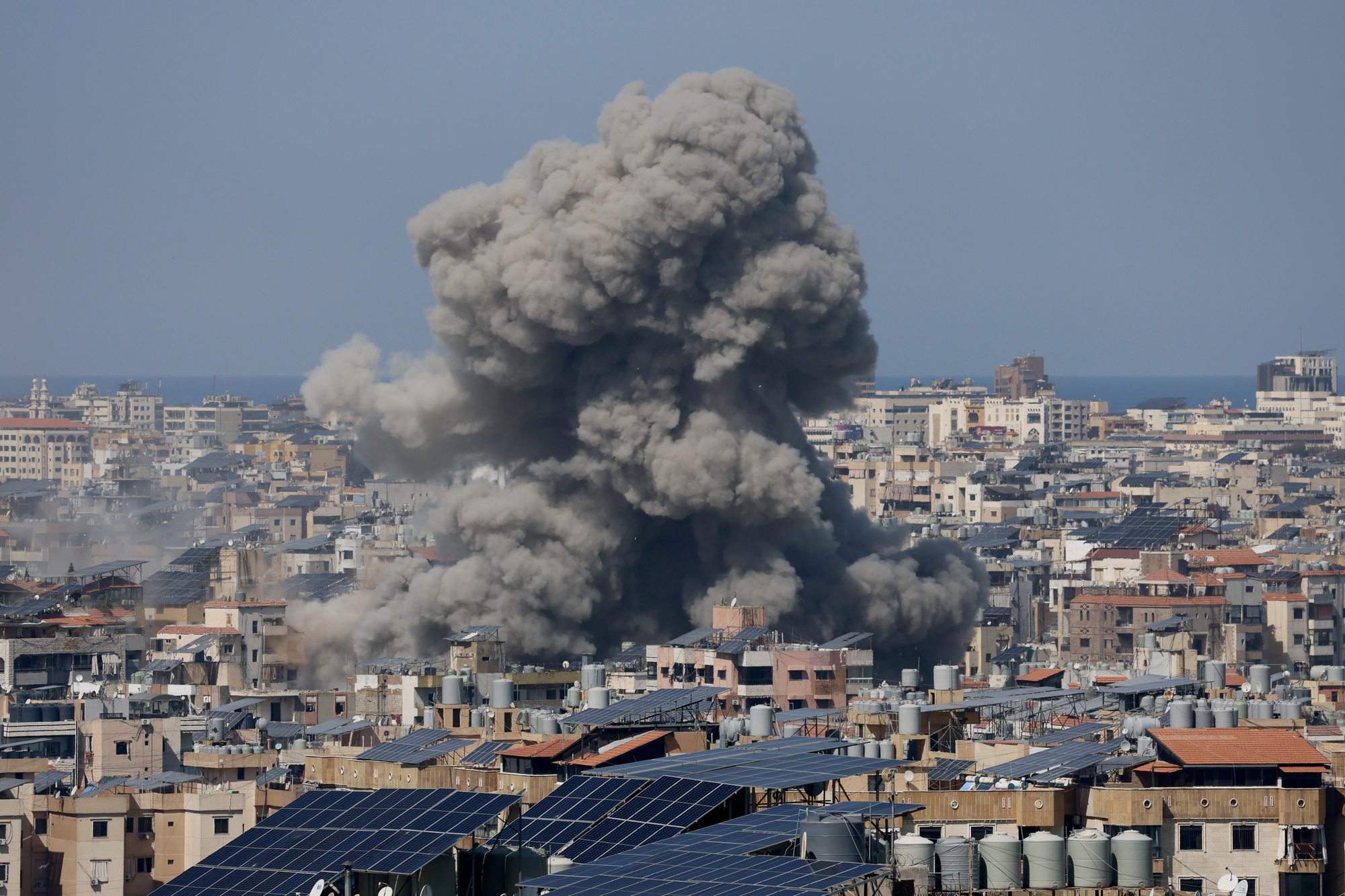
Rescue services report two people with minor injuries and a hit on a residential building in northern Israel. In response, the Israeli Air Force is striking launchers and other Hezbollah infrastructure across Lebanon; the Dahieh district in Beirut, considered a stronghold of the group, has come under fire. The command also reports deployment of emergency rescue teams at the strike sites in the north of the country.
"The Israel Defense Forces will not tolerate any harm to Israeli civilians and will respond with force to any threat posed to the State of Israel"
— Israel Defense Forces (IDF)
Context: why this matters
This event is not an isolated incident but part of a broader wave of tension in the region. The escalation reflects three key factors: Iran's backing of influence through Lebanese proxy structures, Hezbollah's desire to demonstrate its ability to respond, and Israel's determination to decisively neutralize threats on its northern border.
A practical lesson for Ukraine: in a conflict zone, effective air defenses, rapid deployment of emergency services, and rehearsed civilian protocols save lives. In this context, LIGA.net's mention of the Israeli laser system Iron Beam shows how technologies can shift the balance in protecting civilian infrastructure, although their suitability for other theaters of combat requires separate assessment.
Background and reports
- According to reports, tension in the region had been rising the day before after a series of strikes and counterstrikes between Israel and Iran-linked forces.
- Earlier media reports mentioned operations and strikes that mutually increase the risk of an expansion of the conflict.
What next
The most likely scenarios are local escalation on the Israel-Lebanon border with periodic strikes from both sides, diplomatic efforts to calm the tensions, and strengthening of preventive civil defense measures. It is critical that international partners and de-escalation mechanisms act quickly so the conflict does not develop into a wider regional front.
A question for readers and partners: will it be possible to turn operational responses into diplomatic actions that will prevent further escalation, and which defense technologies should be prioritized — questions whose answers will determine the security balance in the region.



