Intermediary in Pretrial Detention, Bosses at Large: What the Arithmetic of Bail Says in the "Porn Offices" Case
Four regional police chiefs paid over 18 million hryvnia in bail and were released. The deputy minister's driver — the person who personally received cash and shuttled between pornography studios and police offices — remains behind bars because he cannot afford bail.

By Tetiana Suchkova-Ladik
May 22, 2026 · 3 min read
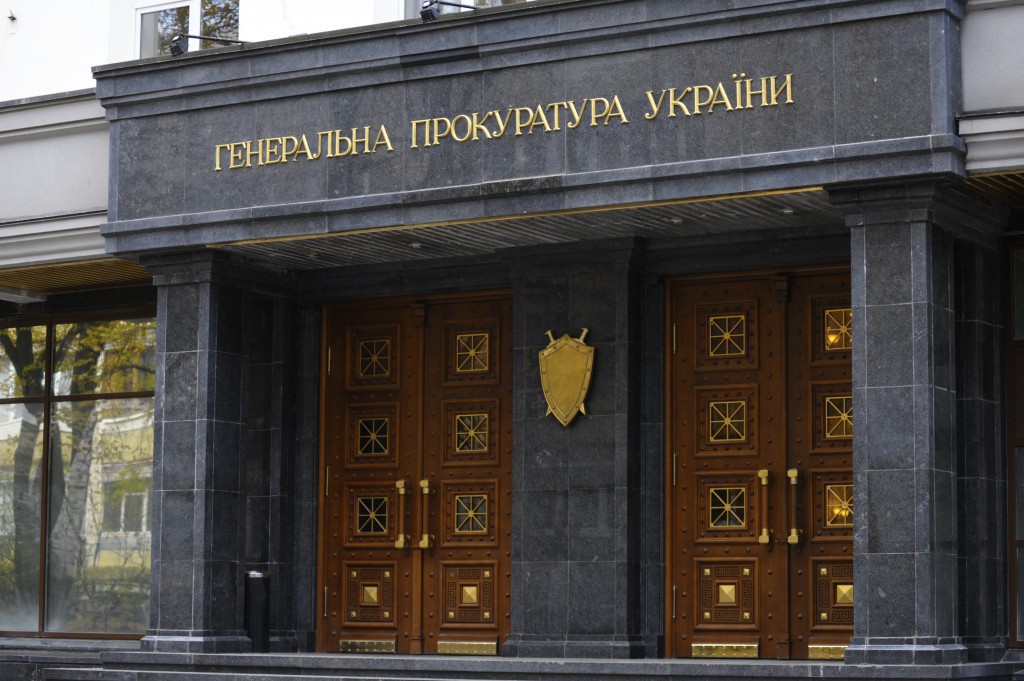
On May 20, 2026, the SBU jointly with the Office of the Prosecutor General conducted searches simultaneously in three regional departments of the National Police — in Ivano-Frankivsk, Ternopil, and Zhytomyr regions. Within days, the court imposed preventive measures on five suspects. Currently, four of them are already at home.
How the scheme worked
According to the investigation, heads of regional police received a monthly "subscription fee" of 20 thousand dollars — for guaranteed inaction: not to respond to complaints, not to record violations, to warn in advance about inspections. Another 5 thousand dollars per month was received by the intermediary.
The intermediary role was performed by a driver of the motor pool of the State Institution "Service Center for Ministry of Internal Affairs Departments" — a unit subordinate to the Ministry of Internal Affairs. As reported by Ukrainska Pravda, in February 2026 he received 45 thousand dollars, in April — another 25 thousand. It was during the next "tranche" that he was detained.
"The intermediary in the scheme was a driver of one of the deputies of the Minister of Internal Affairs. He used connections among the leadership of the National Police and negotiated with officials about silence surrounding pornographic studios".
Prosecutor General Ruslan Kravchenko
To avoid leaving traces, scheme participants communicated through messengers using conditional designations, and discussed key details exclusively in person.
Who was released — and for how much
On May 21, the court chose a preventive measure in the form of detention with the alternative of bail. The bail amounts are indicative in themselves:
- Head of the Main Police Department in Ivano-Frankivsk region — 7 million hrn (paid)
- Deputy head of the Main Police Department in Ivano-Frankivsk region — 5 million hrn (paid)
- First deputy head of the investigative department of the Main Police Department in Ternopil region — 5 million hrn (paid)
- Deputy head of the Main Police Department in Zhytomyr region — 1 million 164 thousand hrn (paid)
- Driver of the State Institution "Service Center for Ministry of Internal Affairs Departments" — 8 million hrn (not paid, remains in custody)
This logic appears paradoxical: the driver — the person who according to the investigation was detained directly while receiving a bribe — was assigned by the court the highest bail of all five. Meanwhile, four heads of regional departments, who are charged with systemic corruption over months, found the necessary amounts and were released.
During searches, investigators seized six luxury cars, five Swiss watches, firearms, and cash. The total sum of seized funds, according to the Office of the Prosecutor General, amounts to 22.6 million hrn — more than the combined bail of all five.
What remains off the record
The investigation has not yet publicly named the surname of the deputy minister of internal affairs whose driver served as the intermediary. The National Police launched internal inspections in three regions, but their scope and timeline have not been officially announced. According to the Prosecutor General's Office, investigators are "establishing the full circle of persons" — which directly indicates that the current five suspects are likely not the final list.
If internal investigations by the National Police reveal those involved in these three regions, but the case does not reach the level of the central Ministry of Internal Affairs apparatus — that in itself would be an answer to the question about the real scope of the investigation.



