Qatar's embassy in Kyiv damaged in massive attack — a challenge for international diplomacy
During a nighttime attack on the capital, the building of the Qatari embassy was damaged; Ukraine is calling on Persian Gulf countries to respond — what does this mean for negotiations and the safety of diplomats?

By Tetiana Suchkova-Ladik
January 9, 2026 · 2 min read
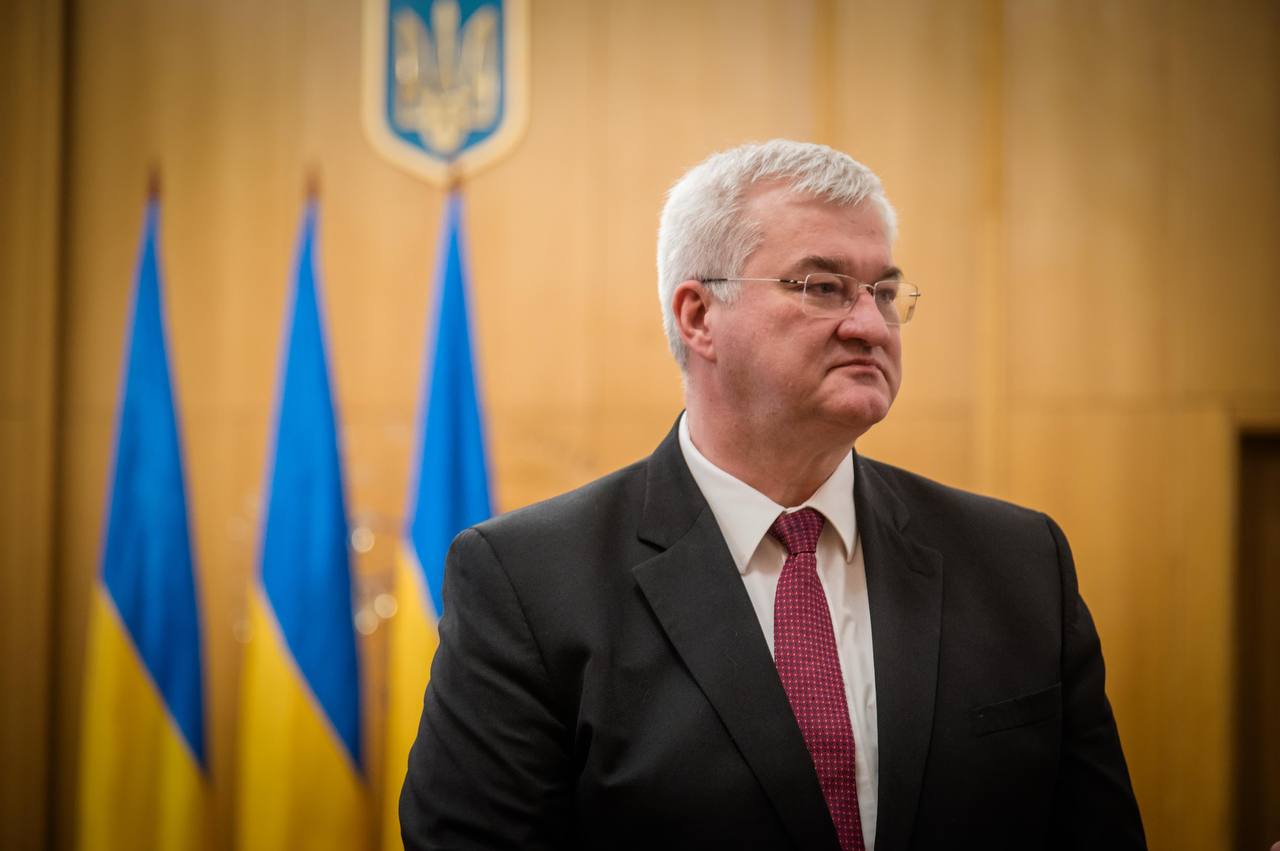
Qatar Embassy Damaged during Night Attack
During a massive missile-and-drone attack on Kyiv on the night of January 9, the building of the Qatar embassy was damaged. This was officially reported by Volodymyr Zelensky and Andrii Sybiha.
"A state that does so much to mediate with Russia to secure the release of prisoners of war and civilians held in Russian prisons."
— Volodymyr Zelensky, President of Ukraine
"The Russian strike is a gross violation of the Vienna Convention. It is a reminder that Russia's brutality knows no bounds. Ukraine is ready to provide all necessary assistance to its Qatari colleagues."
— Andrii Sybiha, Minister of Foreign Affairs of Ukraine
Why this matters
Damage to a diplomatic mission is not merely harm to a building. It is a direct violation of international law that undermines the security of embassies and the effectiveness of third parties acting as intermediaries in the release of people and humanitarian processes. For Ukraine, the reaction of Qatar and other Gulf states has practical significance: losing or undermining the role of a mediator would complicate the mechanisms for prisoner exchanges and political agreements.
Context and previous incidents
This is not an isolated case: foreign diplomatic missions in Kyiv have previously suffered damage. For example, in November 2025 an "Iskander" missile struck the grounds of the Azerbaijani embassy — the Azerbaijani MFA took up the matter. Earlier, in July, shelling damaged the building of the Vatican embassy. The accumulation of such incidents creates a dangerous precedent for normal diplomatic activity in Ukraine.
What to do next
Ukraine has already offered assistance to its Qatari colleagues and is calling on Gulf states to state their positions diplomatically and publicly. International law experts and analysts stress: the response must be more than words — official notes, investigations, strengthened security for diplomatic sites, and coordination at the UN and other platforms are needed.
The situation poses a simple question to partners: will they turn their statements of support into concrete steps that will secure diplomatic channels and preserve the role of mediators in complex exchange processes and humanitarian assistance?



