Easing of U.S. Oil Sanctions: How the Kremlin Could Earn Billions and What It Means for Ukraine
LIGA.net received clarification from the Presidential Office: the easing of US restrictions will give Russia at least $2 billion within weeks. For Ukraine these are not abstract figures — they mean pressure on the budget and a risk of rising prices. We break down who wins, who loses, and what to do next.

By Tetiana Suchkova-Ladik
March 24, 2026 · 2 min read
What happened
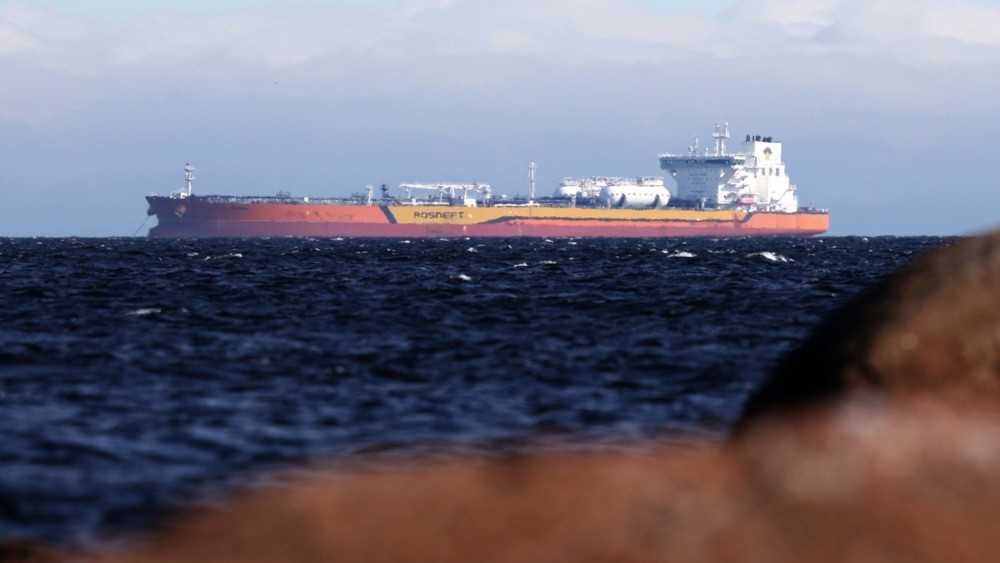
On March 12 the US issued a 30-day license that eases restrictions on Russian oil and petroleum products that are at sea. LIGA.net relayed a clarification from a source in the Office of the President: this is already bringing money to the Kremlin — at least $2 billion just in these weeks.
How much Moscow will actually earn
In messages from the Office of the President, this $2 billion is linked specifically to that oil cargo already on tankers. At the same time, Ukrainian intelligence estimated Russia's total revenue from the energy market during the escalation in the Middle East at about $10 billion — a broader figure that takes into account not only the oil that was at sea.
“At least $2 billion just in these weeks”
— Volodymyr Zelenskyy, President of Ukraine
Why this matters for Ukraine
The easing of restrictions is set in a strategic context: the goal is to increase supply on the market and temporarily lower oil prices. But for us this means several concrete risks:
- Financial channel: additional revenues for the Kremlin strengthen its ability to finance the war; in the long term this could affect the timing and intensity of hostilities.
- Budgetary risks: the president noted that with more intense and prolonged escalation Russia could cover the deficit that Ukraine is projected to face in 2026.
- Energy prices: although the US aim is to lower prices overall, local shocks and speculative fluctuations could lead to higher fuel and gas prices in Ukraine.
“We believe this is already confirmed”
— a source in the Office of the President of Ukraine
What partners say
The article also quotes Scott Bessent, head of the US Department of the Treasury, who names $2 billion as a potential maximum and frames the question in price terms:
“Which is better: Russia gets more money if the oil price rises to $150, and it receives 70% of that sum (that is, $105), or if the oil price remains below $100, and it receives less money?”
— Scott Bessent, head of the US Department of the Treasury
Earlier, on March 5, Washington also allowed India to buy Russian oil — these steps together change the picture of supply and demand on the global market.
Conclusion — what Ukraine should do
This is not just a dollar figure: it is a signal for Ukrainian diplomacy and the economy. Two sequential responses are needed — first, operational monitoring of financial flows and strengthening sanctions pressure where possible; second, contingency plans for shocks to the domestic fuel market and the budget. The expert community notes: while part of the international decisions is motivated by stabilizing prices, Ukraine must ensure that these temporary measures do not turn into long-term support for the aggressor.
Now it is up to the partners: declarations about limits must be backed by control mechanisms and transparent monitoring — otherwise the numbers will stop being mere statistics and will become a factor that determines the fate of the budget and the country's security.



