Fire in Crans‑Montana: a spark in a bottle, about 40 dead — what this will mean for resort safety
Around 40 people died during a New Year's party at the Le Constellation bar. We examine how a single spark turned into a large-scale tragedy and what practical consequences this may have for ski resorts and travelers.

By Oleg Bazylewicz
January 1, 2026 · 2 min read
What happened
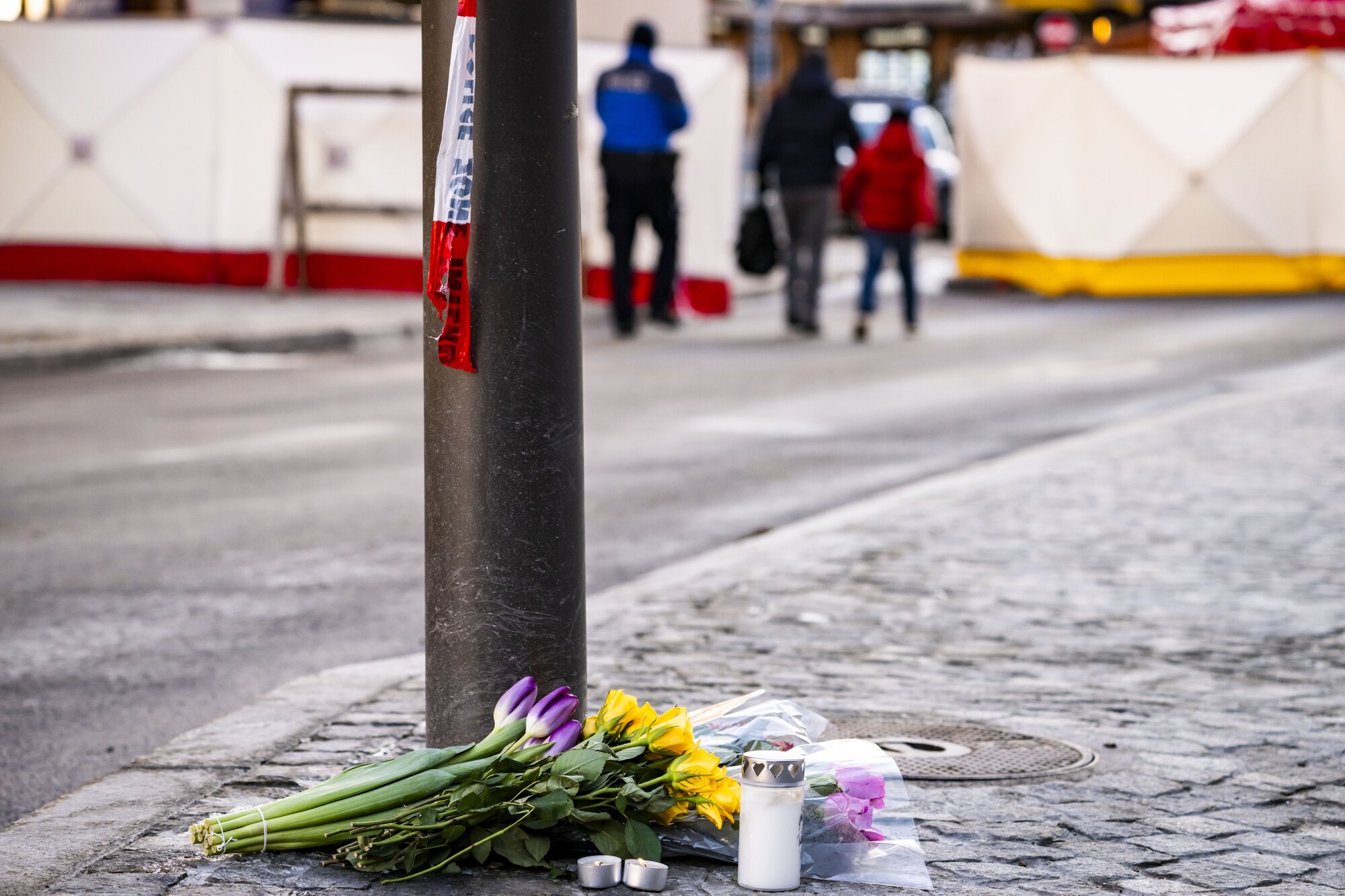
According to Bloomberg and Swiss police, a fire broke out on Thursday morning at the Le Constellation bar at the Crans‑Montana ski resort during New Year’s celebrations. Approximately 40 people died and around 115 were injured. France and Italy reported that some of their citizens were among the victims.
"Around 40 people died and 115 were injured as a result of a fire in a bar at the Crans‑Montana ski resort during New Year’s celebrations."
— Bloomberg
How the fire started — accounts
Local authorities point to an accident as the likely cause. According to eyewitnesses, the ignition began from a bottle into which a candle or a sparkler had been placed; the bottle was held too high and the flame reached the ceiling, which then caused the fire to spread.
"Local authorities say the fire was the result of an accident, not an explosion."
— Swiss police / local authorities
Some media outlets earlier reported an explosion at the scene, but official sources clarify that the sounds perceived as an explosion may have been caused by rapid ignition and the collapse of interior structures under the action of the flames.
Reaction and practical consequences
This tragedy raises questions not only about a specific mistake in a single venue, but about the regulation of the use of pyrotechnics and open flames in indoor spaces, and about control over capacity and the availability of emergency exits in places where large numbers of people gather.
Fire-safety and risk-management experts note that incidents where the source of ignition is a small improvised item (a candle, a sparkler) often have catastrophic consequences because of interior finishes, poor evacuation procedures, and panic among patrons.
What’s next
A thorough investigation is expected: Swiss police, fire services and safety inspectors will establish the chronology of events, the reasons for the rapid spread of the fire, and whether the venue violated operating rules. Possible consequences include tightened safety rules at resorts, inspections of other establishments, and new restrictions on the use of pyrotechnics and open flames.
For travelers, this is a reminder: even in popular tourist centers it is worth paying attention to evacuation routes, avoiding places with obvious safety violations, and reporting risks to hotel management or the police.
Analysis: the tragedy in Crans‑Montana is a sobering example of how a single spark in the wrong context can destroy hundreds of plans and lives. Now it is up to the police and inspectors — their findings will determine whether this leads to systemic changes in safety rules at European resorts.
Whether this tragedy will change the approach to controlling large parties at mountain resorts is a matter of time and decisive action by regulators.



