Fire in Crans-Montana: identifying victims may take several days — what is known
Reuters: about 40 killed and 115 injured; experts will use dental and DNA samples, and authorities consider an accident the most likely explanation.

By Tetiana Suchkova-Ladik
January 2, 2026 · 2 min read
Briefly
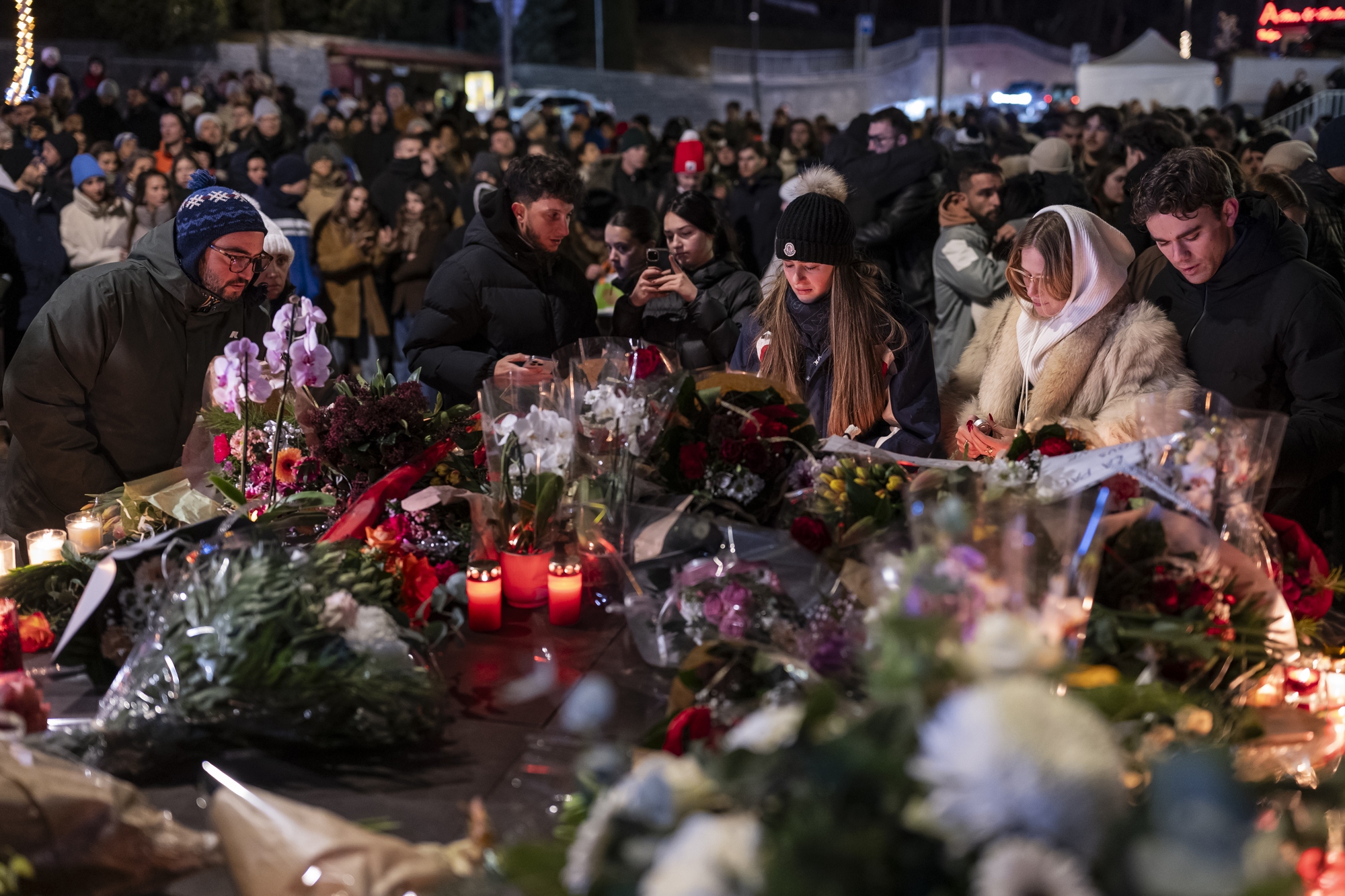
According to Reuters, a nighttime fire in an overcrowded bar at the Crans‑Montana ski resort killed about 40 people and injured roughly 115 more. Because of severe burns and the condition of the bodies, the identification process will stretch over several days — experts are working with dental samples and DNA.
"The first task is to establish the names of all the bodies found"
— Nicolas Féro, mayor of Crans‑Montana
How identification will proceed
Local authorities say that in many cases usual methods of identification (documents, recognition by relatives) are unsuitable due to the extent of the damage. Therefore dental records and DNA analysis are being used — this is standard international practice and takes time: biological materials must be matched with existing databases or relatives' samples.
"All this work must be done because the information is so delicate that nothing can be reported to families until we are 100% certain"
— Matthias Reynard, head of the government of the canton of Valais
Possible cause and consequences
Swiss authorities are currently leaning toward an accident rather than an intentional attack. Eyewitnesses and videos on social media suggest the fire may have started because of candles placed near the ceiling of the basement area. The investigation will continue, and final conclusions will depend on the results of technical examinations.
This tragedy is a reminder of the risks in crowded venues, especially during holidays: building materials, evacuation routes, and control of open flames must be priorities for venue owners and local regulators.
What matters for Ukrainian readers
Foreign embassies are checking whether their citizens are among the victims. Ukrainians who have relatives or friends in the region are advised to monitor official statements from local authorities and consular services — only they provide confirmed information about identification and assistance.
Conclusion
While identification and the investigation continue, the priorities are patience for the families and accountability from the authorities: will this tragedy lead to tougher fire-safety rules in night venues? The answer will determine how much similar risks can be reduced in the future.



