Crans-Montana fire: 40 dead identified — what this means for safety in crowded places
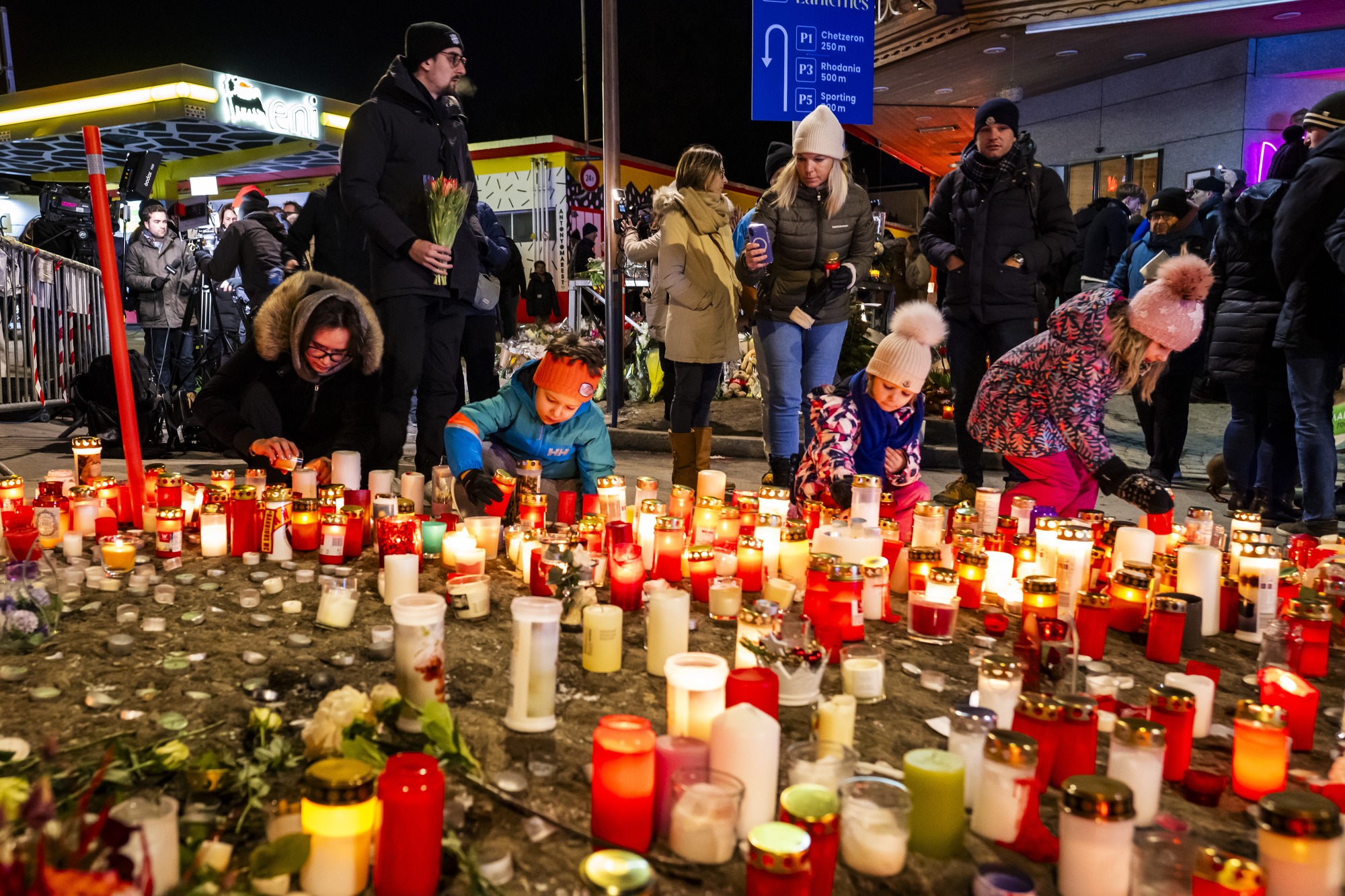
All 40 victims of the New Year’s fire at a Swiss resort have been identified — among them citizens of four countries. We examine what is known and what lessons the safety system should draw, particularly for Ukraine.

By Tetiana Suchkova-Ladik
January 5, 2026 · 2 min read
Briefly and importantly
Investigators have confirmed the identities of all 40 people who died in a bar fire at the Crans-Montana ski resort on New Year's Eve. This was reported by the Bloomberg agency, citing law enforcement officials from the canton of Valais. Among the dead are citizens of Switzerland, France, Italy and Portugal; the youngest was 14 years old.
What is known in detail
According to the investigation, a fire started in the club's basement after bengal lights ignited soundproofing material, which developed into an explosive incident. The event left 119 people injured; many were sent to burn centers in neighboring countries because Swiss hospitals reached the limits of their capacity.
On Friday the prosecutor's office of the canton of Valais announced the start of a criminal investigation into the two owners of the Le Constellation bar; possible charges include involuntary manslaughter. The bar is owned by a French couple: the woman was at the establishment and sustained burns, while the man was elsewhere at the time, BFMTV reports.
"The investigation will examine all aspects of the tragedy: the number of people allowed in the bar, available emergency exits, and the materials used during renovation work in the building."
— Béatrice Pillu, chief prosecutor of the canton of Valais
"All the deceased have been identified. Names are not being released at this time to protect the families."
— Representative of the canton of Valais police (press statement)
Consequences and international resonance
Switzerland has declared five days of national mourning. The incident raises questions about capacity control in venues, fire safety standards and the certification of building materials in places of mass gathering — especially during holidays and concerts.
Lessons for Ukraine
For Ukraine, this tragedy is not only someone else's misfortune but also a practical warning. During wartime the civil safety system must operate under heightened risks: checking evacuation routes, limiting overcrowding, controlling uncertified materials used in venue repairs — all of these reduce the risk of large-scale casualties. It is also important to strengthen burn center preparedness and interregional coordination of medical evacuation.
Summary
The investigation is still ongoing, but it is already clear: the cause of the tragedy was a combination of hazardous materials and a crowding of people in an enclosed space. Expected trials and new regulations for ski resorts and nightlife venues may change safety practices across Europe. The questions for venue operators and regulatory authorities remain simple: will the lessons be sufficient to prevent the next tragedy?



