Air defenses shot down 100% of cruise missiles — how it was possible and what's next
The Air Forces reported the complete interception of cruise missiles during a nighttime attack. We analyze the technologies involved, the role of F‑16s and Patriot systems, and the implications for the security of the Kyiv region.

By Tetiana Suchkova-Ladik
March 14, 2026 · 2 min read
Systematic work under the cover of night
On the night of March 14, the Air Force command reported 100% of the cruise missiles shot down that Russia launched. This is the result of coordination between pilots, air defense units, electronic warfare assets and new methods for intercepting drones — work that often stays out of the headlines but determines the fate of people and infrastructure.
What happened: timeline and figures
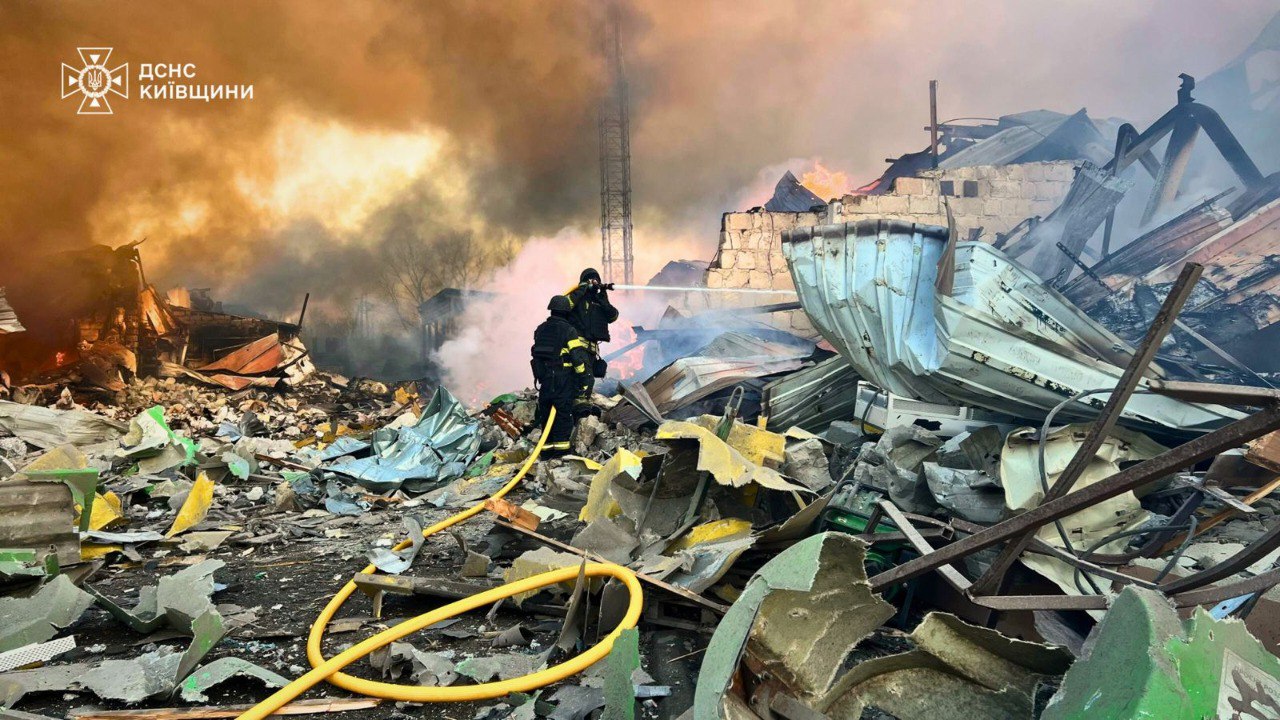
According to the command, the attack involved, among other weapons, 25 Kalibr cruise missiles and 24 Kh-101 missiles. In total the enemy launched almost 70 missiles of the Iskander, Zircon and Kalibr types and about 430 strike drones. The main direction of the strike was Kyiv region; as a result of the attacks four people were killed, more than 15 were wounded, and there were temporary power outages.
"Today we have 100% shootdown of the cruise missiles, this is really rare when we intercept Kh-101s and Kalibrs. First and foremost this is the merit of the pilots — the Air Force commander praised the work of the F-16 pilots and others who shot down the majority of the cruise missiles."
— Yurii Ihnat, Head of the Communications Department of the Air Force Command
How it worked: technology and coordination
The key to success is "layers" of defense: intelligence, ground-based air defenses, modern anti-aircraft systems and aviation. In this episode Patriot systems played a notable role, engaging both ballistic- and cruise-trajectory missiles, as did F-16 fighters, air defense units and teams working with drone-interceptors. The combination of the human factor (crew training) and technology (interoperability, rapid data exchange) produced a noticeable result.
What this means for security and policy
A full interception of cruise missiles is rare, but not impossible. It demonstrates that investments in air defense systems, equipment compatibility and personnel training pay off during massed attacks. At the same time, the large volume of munitions and drones launched indicates the adversary's intent to exhaust defensive resources — therefore maintaining the stability of the protection system remains a key task.
Conclusion: questions for partners and internal order
The result of this night is an important tactical success, but not a reason for complacency. The dissemination of innovative interception methods and equipment interoperability must be solidified in practice and over time. Now it's up to our partners: confirmed capabilities need to be turned into lasting guarantees for the protection of critical infrastructure and people.



